Brazil’s Steel Industry Faces Growth at Home but Challenges Abroad
The Instituto Aço Brasil reported a 2.4% rise in Brazil’s crude steel production in January 2025, reaching 2.789 million tonnes compared to 2.723 million tonnes in January 2024.
For all of 2024, production grew 5.3% year-over-year, totaling 33.741 million tonnes. Capacity utilization improved slightly to 65.7% in January, up from 64.1% in the same period last year, but still below optimal levels for the industry.
Domestic steel sales climbed 3.1% year-over-year in January, hitting 1.664 million tonnes. Flat steel sales rose by 2.1% to 984,000 tonnes, while long steel sales increased by 5.5% to 657,000 tonnes.
However, semi-finished steel sales dropped sharply by 12.6%, totaling only 24,000 tonnes. Apparent consumption, which combines domestic sales and imports, surged by 11.4%, reaching 2.156 million tonnes.
Trade figures revealed contrasting trends. Steel exports fell by 2.9%, totaling 909,000 tonnes in January compared to the same month last year. Meanwhile, imports soared by an extraordinary 49.4%, reaching 548,000 tonnes during the same period.
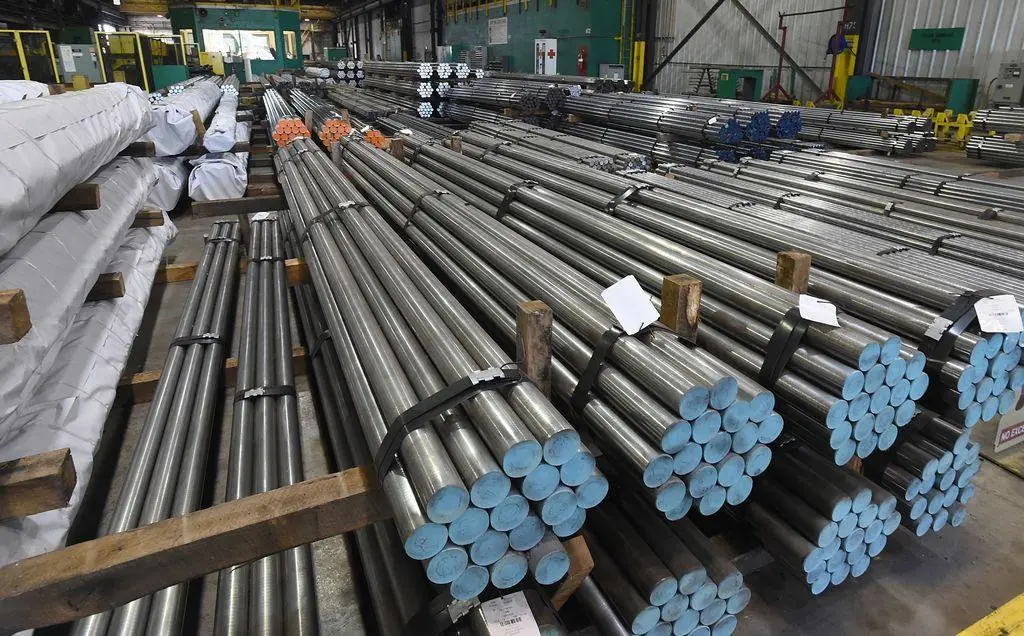
This follows a broader trend from last year when Brazil’s steel imports hit a record high of 5.9 million tonnes in 2024, an increase of 18%. Rising imports reflect competitive global pricing and demand for specific grades not widely produced domestically.
Brazilian Industrial Confidence and Economic Pressures
The industry’s confidence index dropped for the fourth consecutive month in February, falling to a low of 34.7 points from January’s 42.4 points. Scores below 50 indicate pessimism among CEOs about future business conditions.
Broader economic concerns also weighed on sentiment; Brazil’s Industrial Entrepreneur Confidence Index stagnated at a low level of 49.1 points in February. The depreciation of the Brazilian real has made imports more expensive but also reduced export competitiveness.
Government measures like import tariffs aim to protect local producers but have not reversed these trends entirely. While Brazil’s steel sector shows resilience with growing domestic sales and production, challenges persist.
Declining exports and surging imports are reshaping market dynamics. Policymakers and industry leaders must address these pressures while improving capacity utilization and competitiveness in a volatile global market environment.
More: Brazil news in English, every day from The Rio Times.
This article was produced by The Rio Times’ automated newsroom system. How we use AI · Report an error
LatAm Markets: Live Signals → — real-time movers, turnover leaders and FX across Latin America.
Read More from The Rio Times