Trump Targets Brazil: How Political Tensions Could Shake Investor Confidence
Brazil and the United States have entered a tense diplomatic phase just weeks after Donald Trump’s return to the U.S. presidency.
The friction, sparked by Brazil’s Supreme Court blocking the U.S.-based social media platform Rumble, has already raised alarms for investors. The U.S. State Department criticized the decision as undemocratic.
Brazil’s government, led by President Luiz Inácio Lula da Silva, accused Washington of distorting facts. They also claimed that Washington was interfering in judicial matters.
This clash underscores deeper vulnerabilities in Brazil’s economy and its relationship with its second-largest trading partner. The dispute escalated when Justice Alexandre de Moraes of Brazil’s Supreme Court ordered Rumble to comply with local laws or face suspension.
The platform refused to appoint a legal representative in Brazil or block accounts spreading misinformation, prompting daily fines of R$50,000 ($8,300). The U.S. government condemned these measures as harmful to free speech, further complicating ties between Brasília and Washington.
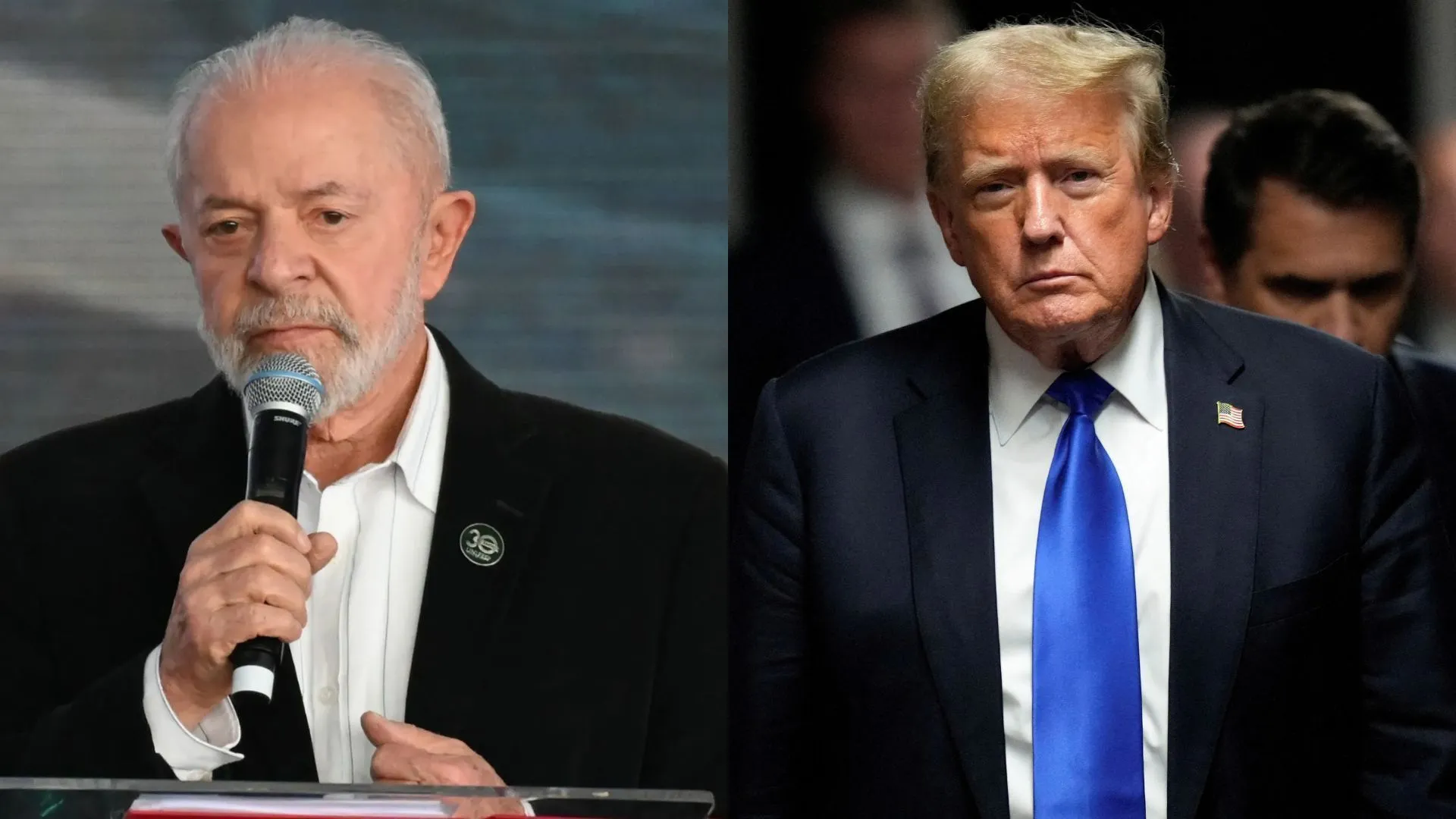
Economic tensions have also risen as Trump imposed a 25% tariff on Brazilian steel imports, set to take effect in March. Lula vowed reciprocal action, threatening tariffs on U.S. goods or a complaint to the World Trade Organization.
Brazil-U.S. Trade Relations
Trade between the two nations totaled $75 billion in 2023, with Brazil exporting $40 billion and importing $45 billion. However, this balance could shift as protectionist policies take hold.
Brazil’s economic challenges amplify the risks of deteriorating relations. The country faces high debt levels at 78% of GDP and a fiscal deficit nearing 8%. Inflation remains above target, forcing the central bank to maintain interest rates at 13.25%, with projections of a peak at 14.75%.
The Brazilian real has weakened significantly, trading at R$5.80 per dollar, further straining household consumption and investment. Trump’s adversarial approach to trade and his alignment with figures critical of Lula’s administration, such as Elon Musk, add another layer of uncertainty.
Musk’s involvement in disputes over Brazil’s judiciary has already drawn criticism from Brasília. For investors, these developments signal heightened risks in Brazil’s markets.
Key sectors like agriculture and energy could face U.S. tariffs, while political instability may deter foreign capital. With limited dialogue between the two administrations and growing geopolitical frictions, Brazil’s economic outlook appears increasingly precarious.
More: Brazil news in English, every day from The Rio Times.
This article was produced by The Rio Times’ automated newsroom system. How we use AI · Report an error
Read More from The Rio Times