Brazil’s Record Grain Harvest Outpaces Storage, Leaving Millions of Tons at Risk
Brazil will harvest a record 336 million tons of grains in 2024/25, according to the National Supply Company (Conab). Yet, the country’s storage infrastructure can only hold about 203 million tons, based on data from the Brazilian Institute of Geography and Statistics (IBGE).
This leaves more than 130 million tons of soybeans, corn, and other grains without secure storage. This gap has grown steadily. Fifteen years ago, Brazil could store over 90% of its harvest. Now, it can only store about 59%.
The Food and Agriculture Organization (FAO) recommends that countries have storage for 120% of their annual grain production. Brazil is well below this mark.
The problem is worse in new farming regions like Matopiba and Rondônia. In these areas, less than half the grain harvest has access to proper storage. Farmers sometimes must transport grain more than 100 kilometers to find space, raising costs and risking spoilage.
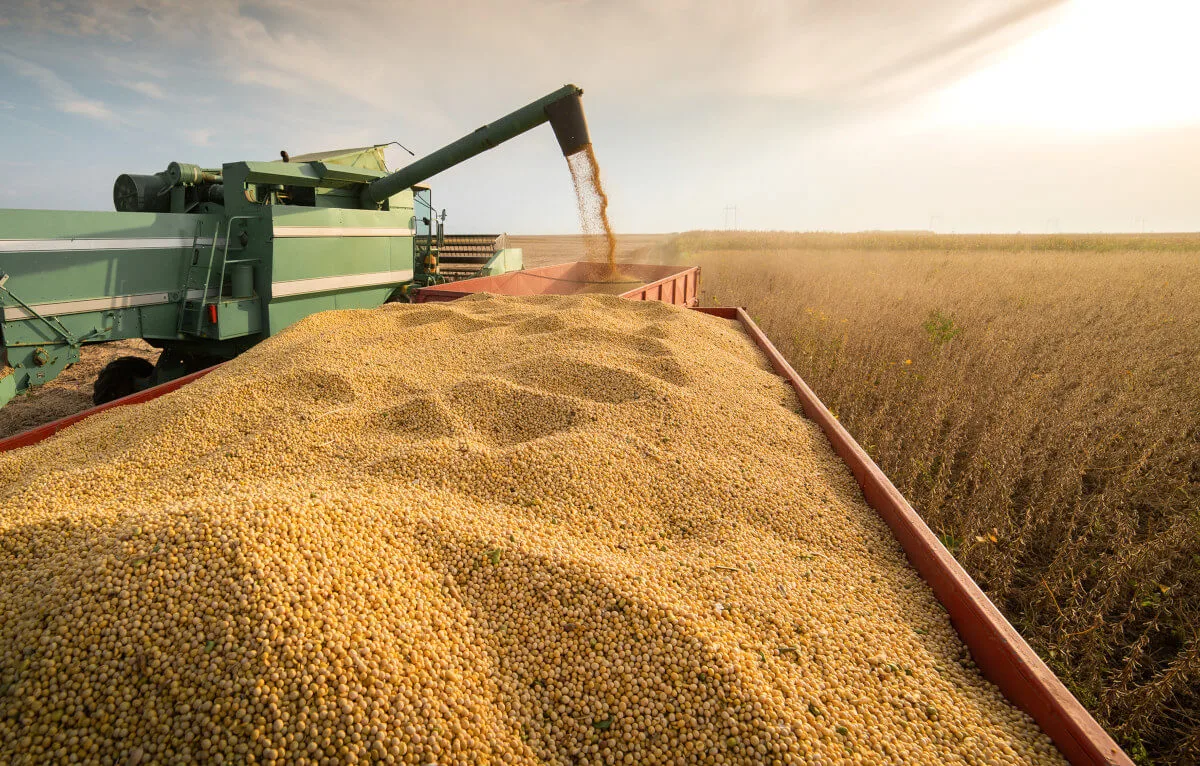
Mato Grosso, the state that produces the most grain, has 58 million tons of storage but expects a shortfall of 3 million tons this season. The overlap of soybean and corn harvests puts extra pressure on storage.
Some farmers must store crops outdoors or sell quickly at low prices. The government has increased funding for new silos and warehouses, but experts say Brazil needs to double its current investment—about R$15 billion a year—to keep up with production growth.
High interest rates and complex regulations make it hard for farmers to build their own storage. Without enough storage, farmers lose money by selling when prices are lowest.
Food companies and exporters also face higher costs and supply problems. This storage shortage affects Brazil’s ability to compete in global markets and impacts millions of rural families.
More: Brazil news in English, every day from The Rio Times.
This article was produced by The Rio Times’ automated newsroom system. How we use AI · Report an error · Editorial responsibility: Matthias Camenzind, Editor-in-Chief