IBOV 188,182.75 ▲ 1.64% IPSA 11,315.26 ▼ 1.14% IPC MEX 65,010.39 ▲ 0.44% MERVAL 3,066,449 ▲ 1.05% COLCAP 2,565.10 ▼ 0.02% BVL PERÚ 59,620.96 ▼ 0.05% USD/BRL5.09▼ 0.66% USD/MXN16.91▲ 0.03% USD/CLP923.95▼ 1.13% USD/COP3,107▼ 0.69% USD/PEN3.35▼ 0.19% USD/ARS1,511▼ 0.05% USD/UYU40.22▲ 1.23% USD/PYG5,892▲ 0.36% USD/BOB12.45▲ 2.03% USD/DOP58.50▼ 0.01% USD/CRC446.50▲ 1.13% USD/GTQ7.64▲ 2.32% USD/HNL26.84▲ 1.63% USD/NIO36.62▲ 0.69% USD/VES812.65▼ 0.13% USD/PAB1.00— 0.00% USD/BZD2.00— 0.00% USD/JMD 157.28 — 0.00% USD/TTD6.71▲ 1.03% EUR/BRL5.92▼ 0.49% BRENT 88.88 ▼ 0.03% WTI 83.11 ▼ 0.11% IRON ORE 161.91 — — COPPER 6.61 ▲ 0.03% GOLD 4,461 ▲ 1.78% SILVER 65.59 ▲ 1.26% SOY 1,184 ▲ 3.20% CORN 480.50 ▲ 10.02% WHEAT 655.00 ▲ 3.93% COFFEE 317.25 ▼ 5.51% SUGAR 16.43 ▼ 1.79% ORANGE JUICE 138.55 ▼ 0.47% COTTON 85.03 ▲ 2.33% COCOA 5,719 ▲ 3.18% BEEF 223.60 ▼ 3.93% CATTLE 339.10 ▼ 3.16% LITHIUM 75.20 ▲ 1.47% PETR4 41.64 ▼ 0.05% VALE3 72.97 ▲ 0.83% ITUB4 38.60 ▼ 1.03% BBDC4 16.85 ▲ 0.36% ABEV3 14.89 ▼ 0.80% BBAS3 19.37 ▲ 0.47% B3SA3 14.26 ▼ 0.21% WEGE3 47.59 ▲ 0.49% PRIO3 59.14 ▼ 0.19% SUZB3 41.33 ▲ 2.35% RENT3 34.68 ▼ 0.09% AZZA3 15.89 ▼ 2.63% CSAN3 3.22 ▼ 1.83% RAIZ4 0.25 — 0.00% PCAR3 2.75 ▼ 0.36% GMAT3 3.65 ▼ 1.08% PSSA3 48.13 ▼ 0.54% CVCB3 1.33 ▼ 2.92% POSI3 3.36 ▲ 2.44% SLCE3 13.34 ▲ 0.30% NATU3 8.14 ▼ 0.73% IBOV 188,182.75 ▲ 1.64% IPSA 11,315.26 ▼ 1.14% IPC MEX 65,010.39 ▲ 0.44% MERVAL 3,066,449 ▲ 1.05% COLCAP 2,565.10 ▼ 0.02% BVL PERÚ 59,620.96 ▼ 0.05% USD/BRL 5.16 ▲ 0.01% USD/MXN 17.06 ▼ 0.24% USD/CLP 913.98 ▲ 0.04% USD/COP 3,140 ▲ 0.03% USD/PEN 3.36 ▼ 0.66% USD/ARS 1,493 ▲ 0.10% USD/UYU 40.27 ▲ 1.24% USD/PYG 5,939 ▲ 1.68% USD/BOB 11.64 ▼ 0.76% USD/DOP 58.34 ▲ 1.25% USD/CRC 445.92 ▲ 0.89% USD/GTQ 7.62 ▲ 2.21% USD/HNL 26.79 ▲ 1.57% USD/NIO 36.62 ▲ 0.69% USD/VES 762.44 ▼ 0.13% USD/PAB 1.00 — 0.00% USD/BZD 2.00 — 0.00% USD/JMD 157.28 — 0.00% USD/TTD 6.70 ▲ 0.61% EUR/BRL 5.95 ▲ 1.01% BRENT 88.88 ▼ 0.03% WTI 83.11 ▼ 0.11% IRON ORE 161.91 — — COPPER 6.61 ▲ 0.03% GOLD 4,461 ▲ 1.78% SILVER 65.59 ▲ 1.26% SOY 1,184 ▲ 3.20% CORN 480.50 ▲ 10.02% WHEAT 655.00 ▲ 3.93% COFFEE 317.25 ▼ 5.51% SUGAR 16.43 ▼ 1.79% ORANGE JUICE 138.55 ▼ 0.47% COTTON 85.03 ▲ 2.33% COCOA 5,719 ▲ 3.18% BEEF 223.60 ▼ 3.93% CATTLE 339.10 ▼ 3.16% LITHIUM 75.20 ▲ 1.47% PETR4 41.64 ▼ 0.05% VALE3 72.97 ▲ 0.83% ITUB4 38.60 ▼ 1.03% BBDC4 16.85 ▲ 0.36% ABEV3 14.89 ▼ 0.80% BBAS3 19.37 ▲ 0.47% B3SA3 14.26 ▼ 0.21% WEGE3 47.59 ▲ 0.49% PRIO3 59.14 ▼ 0.19% SUZB3 41.33 ▲ 2.35% RENT3 34.68 ▼ 0.09% AZZA3 15.89 ▼ 2.63% CSAN3 3.22 ▼ 1.83% RAIZ4 0.25 — 0.00% PCAR3 2.75 ▼ 0.36% GMAT3 3.65 ▼ 1.08% PSSA3 48.13 ▼ 0.54% CVCB3 1.33 ▼ 2.92% POSI3 3.36 ▲ 2.44% SLCE3 13.34 ▲ 0.30% NATU3 8.14 ▼ 0.73%
since 2009
Tuesday, September 8, 2026

Agri Business Business - Brazil

Brazil’s Farmers Face Rising Debt Despite Record Harvests

By · July 1, 2025 · 2 min read

The LatAm Brief

One email, every weekday morning. What moved in Latin American markets, politics and expat life.

Yesterday’s subject line: “227 dead in Latin American waters. Yesterday, none.”

Free. We send a confirmation link first — nothing arrives until you click it. Unsubscribe with one click in any edition. If you stop opening us for 30 days we stop sending by ourselves, as we assume the interest is no longer there. See our privacy policy. We never share your email.

Brazil’s farmers are facing a serious debt problem in 2025, even though the country produced a record soybean crop this year. Official data shows that nearly 8% of individual farmers have not paid back their loans for more than six months.

This problem is not limited to a few people. Many farmers, especially those who own large farms or rent land, are struggling to keep up with payments. The main reason for this growing debt is that the cost of borrowing money in Brazil has gone up.

Interest rates are now at their highest level in twenty years. Farmers who borrowed to buy seeds, fertilizer, and equipment now find it much harder to pay back what they owe.

At the same time, prices for crops like soybeans have dropped, so farmers are making less money even when they harvest more. The debt crisis is hitting some regions harder than others.

In the North, especially in the state of Amapá, more than one in ten farmers are behind on their payments. In the South, where more farmers use insurance and have access to special credit programs, the default rate is much lower.
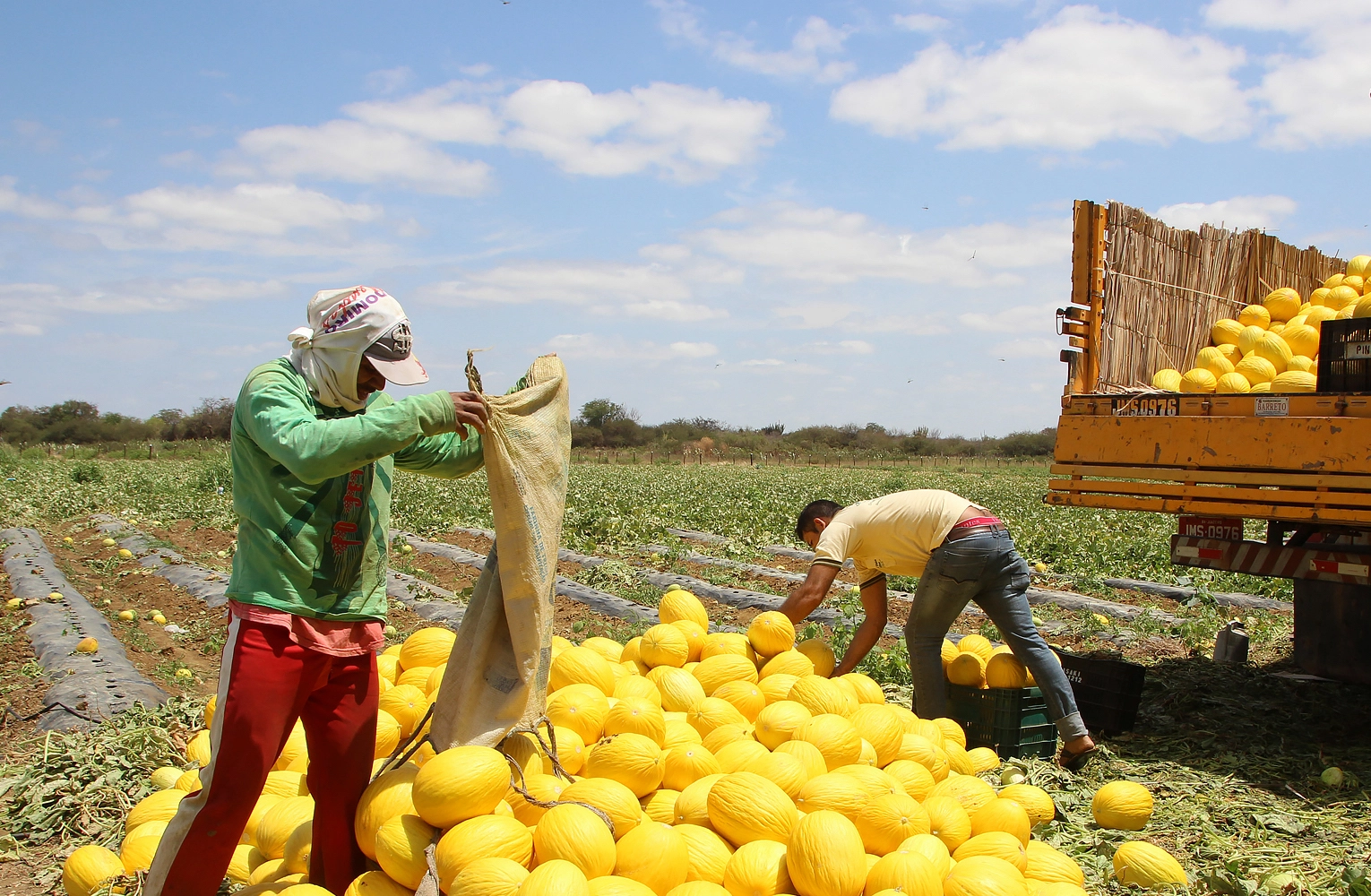
Brazil’s Farmers Face Rising Debt Despite Record Harvests
Brazil’s Farmers Face Rising Debt Despite Record Harvests.
One-stop reference
Company Intelligence
Every listed company in Latin America — financials, ownership and structure for 1,450+ companies across 26 exchanges, in one place.
Browse the directory →
RT
Ask Rio Times
Latin American markets, currencies and companies.
Open the full Ask Rio Times →

For example, in Rio Grande do Sul, less than 5% of farmers are in default, even after facing floods and droughts in recent years. The number of farm bankruptcies is rising fast.

Brazil’s Farm Debt Crisis

In 2024, nearly 300 agricultural companies entered court-supervised reorganization, which is a legal way to try to avoid bankruptcy. This is almost 40% more than the year before.

Most of these businesses are small or family-run, and many do not have the financial tools or insurance to survive bad years. The Brazilian government is trying to help. A new program will allow almost one million small farmers to restructure or write off their debts.

Most of these farmers owe less than R$10,000 (about $2,000), but together, their debts add up to more than R$19 billion. The plan will give discounts of up to 96% on some debts and help farmers regain access to credit by removing their names from blacklists.

The program is waiting for final approval and should start soon. This debt crisis matters for everyone, not just for Brazil. Brazil is one of the world’s biggest food producers.

If more farmers go bankrupt or cannot plant their crops, food prices could rise everywhere. The crisis also shows how farming depends on more than just good weather or big harvests.

Farmers need fair prices, affordable loans, and support when things go wrong. Without these, even a record harvest cannot guarantee financial security.

This article was produced by The Rio Times’ automated newsroom system. How we use AI · Report an error

Read More from The Rio Times

The Rio Times · Power Map
See who really holds power in Latin America
Click to open the Power Map

Rotate for Best Experience

This report is optimized for landscape viewing. Rotate your phone for the full experience.