IBOV 186,340.46 ▲ 1.37% IPSA 10,969.49 ▼ 0.78% IPC MEX 64,951.10 ▼ 0.24% MERVAL 2,819,323 ▲ 1.32% COLCAP 2,549.16 ▼ 0.38% BVL PERÚ 60,410.88 ▼ 0.96% USD/BRL5.16▼ 0.23% USD/MXN18.08▲ 0.06% USD/CLP972.03▼ 0.10% USD/COP3,279▼ 1.65% USD/PEN3.45▲ 0.46% USD/ARS1,525▼ 0.03% USD/UYU40.24▲ 3.53% USD/PYG5,817▲ 2.25% USD/BOB11.97▲ 2.29% USD/DOP59.50▲ 3.19% USD/CRC454.26▲ 2.84% USD/GTQ7.64▲ 3.21% USD/HNL26.86▲ 3.22% USD/NIO36.62▲ 2.66% USD/VES858.02▼ 0.13% USD/PAB1.00— 0.00% USD/BZD2.00— 0.00% USD/JMD 157.28 — 0.00% USD/TTD6.72▲ 2.14% EUR/BRL5.85▼ 1.42% BRENT 88.88 ▼ 0.03% WTI 83.11 ▼ 0.11% IRON ORE 161.91 — — COPPER 6.61 ▲ 0.03% GOLD 4,461 ▲ 1.78% SILVER 65.59 ▲ 1.26% SOY 1,184 ▲ 3.20% CORN 480.50 ▲ 10.02% WHEAT 655.00 ▲ 3.93% COFFEE 317.25 ▼ 5.51% SUGAR 16.43 ▼ 1.79% ORANGE JUICE 138.55 ▼ 0.47% COTTON 85.03 ▲ 2.33% COCOA 5,719 ▲ 3.18% BEEF 223.60 ▼ 3.93% CATTLE 339.10 ▼ 3.16% LITHIUM 75.20 ▲ 1.47% PETR4 41.64 ▼ 0.05% VALE3 72.97 ▲ 0.83% ITUB4 38.60 ▼ 1.03% BBDC4 16.85 ▲ 0.36% ABEV3 14.89 ▼ 0.80% BBAS3 19.37 ▲ 0.47% B3SA3 14.26 ▼ 0.21% WEGE3 47.59 ▲ 0.49% PRIO3 59.14 ▼ 0.19% SUZB3 41.33 ▲ 2.35% RENT3 34.68 ▼ 0.09% AZZA3 15.89 ▼ 2.63% CSAN3 3.22 ▼ 1.83% RAIZ4 0.25 — 0.00% PCAR3 2.75 ▼ 0.36% GMAT3 3.65 ▼ 1.08% PSSA3 48.13 ▼ 0.54% CVCB3 1.33 ▼ 2.92% POSI3 3.36 ▲ 2.44% SLCE3 13.34 ▲ 0.30% NATU3 8.14 ▼ 0.73% IBOV 186,340.46 ▲ 1.37% IPSA 10,969.49 ▼ 0.78% IPC MEX 64,951.10 ▼ 0.24% MERVAL 2,819,323 ▲ 1.32% COLCAP 2,549.16 ▼ 0.38% BVL PERÚ 60,410.88 ▼ 0.96% USD/BRL 5.16 ▲ 0.01% USD/MXN 17.06 ▼ 0.24% USD/CLP 913.98 ▲ 0.04% USD/COP 3,140 ▲ 0.03% USD/PEN 3.36 ▼ 0.66% USD/ARS 1,493 ▲ 0.10% USD/UYU 40.27 ▲ 1.24% USD/PYG 5,939 ▲ 1.68% USD/BOB 11.64 ▼ 0.76% USD/DOP 58.34 ▲ 1.25% USD/CRC 445.92 ▲ 0.89% USD/GTQ 7.62 ▲ 2.21% USD/HNL 26.79 ▲ 1.57% USD/NIO 36.62 ▲ 0.69% USD/VES 762.44 ▼ 0.13% USD/PAB 1.00 — 0.00% USD/BZD 2.00 — 0.00% USD/JMD 157.28 — 0.00% USD/TTD 6.70 ▲ 0.61% EUR/BRL 5.95 ▲ 1.01% BRENT 88.88 ▼ 0.03% WTI 83.11 ▼ 0.11% IRON ORE 161.91 — — COPPER 6.61 ▲ 0.03% GOLD 4,461 ▲ 1.78% SILVER 65.59 ▲ 1.26% SOY 1,184 ▲ 3.20% CORN 480.50 ▲ 10.02% WHEAT 655.00 ▲ 3.93% COFFEE 317.25 ▼ 5.51% SUGAR 16.43 ▼ 1.79% ORANGE JUICE 138.55 ▼ 0.47% COTTON 85.03 ▲ 2.33% COCOA 5,719 ▲ 3.18% BEEF 223.60 ▼ 3.93% CATTLE 339.10 ▼ 3.16% LITHIUM 75.20 ▲ 1.47% PETR4 41.64 ▼ 0.05% VALE3 72.97 ▲ 0.83% ITUB4 38.60 ▼ 1.03% BBDC4 16.85 ▲ 0.36% ABEV3 14.89 ▼ 0.80% BBAS3 19.37 ▲ 0.47% B3SA3 14.26 ▼ 0.21% WEGE3 47.59 ▲ 0.49% PRIO3 59.14 ▼ 0.19% SUZB3 41.33 ▲ 2.35% RENT3 34.68 ▼ 0.09% AZZA3 15.89 ▼ 2.63% CSAN3 3.22 ▼ 1.83% RAIZ4 0.25 — 0.00% PCAR3 2.75 ▼ 0.36% GMAT3 3.65 ▼ 1.08% PSSA3 48.13 ▼ 0.54% CVCB3 1.33 ▼ 2.92% POSI3 3.36 ▲ 2.44% SLCE3 13.34 ▲ 0.30% NATU3 8.14 ▼ 0.73%
since 2009
Thursday, October 1, 2026

Brazil Politics - Brazil

Brazil’s Governing Party Secures Unprecedented Control Amid Legislative Chaos

By · May 12, 2025 · 2 min read

The LatAm Brief

One email, every weekday morning. What moved in Latin American markets, politics and expat life.

Yesterday’s subject line: “Colombia decides rates today, near its own debt ceiling”

Free. We send a confirmation link first — nothing arrives until you click it. Unsubscribe with one click in any edition. If you stop opening us for 30 days we stop sending by ourselves, as we assume the interest is no longer there. See our privacy policy. We never share your email.

President Luiz Inácio Lula da Silva’s third administration has concentrated more ministerial control within his Workers’ Party (PT) than any Brazilian government since redemocratization.

The PT now commands 38% of federal ministries, surpassing Lula’s prior terms (36% in 2003) and far exceeding predecessors like Jair Bolsonaro (9%) and Dilma Rousseff (32%).

Key economic and social portfolios-Finance, Education, Health, and Social Development-remain under PT control, directing 68% of the federal budget. This centralization contrasts with a fragmented Congress, where 19 distinct party blocs vie for influence.

Free daily brief — no card needed
Get every Brazil story in one morning email
We build you a personalized brief around the topics you follow — free for 7 days. Love it? Your first month after that is US$1.

Despite formal alliances with nine parties, 42% of opposition votes originate from coalition partners, reflecting weak discipline. The PT’s reluctance to share power stems from post-Lava Jato distrust, a corruption scandal that eroded faith in broad alliances during Rousseff’s impeachment.

Lula now prioritizes loyalists over coalition-building, even as record parliamentary earmarks (R$46.7 billion in 2025) empower legislators to resist executive demands.
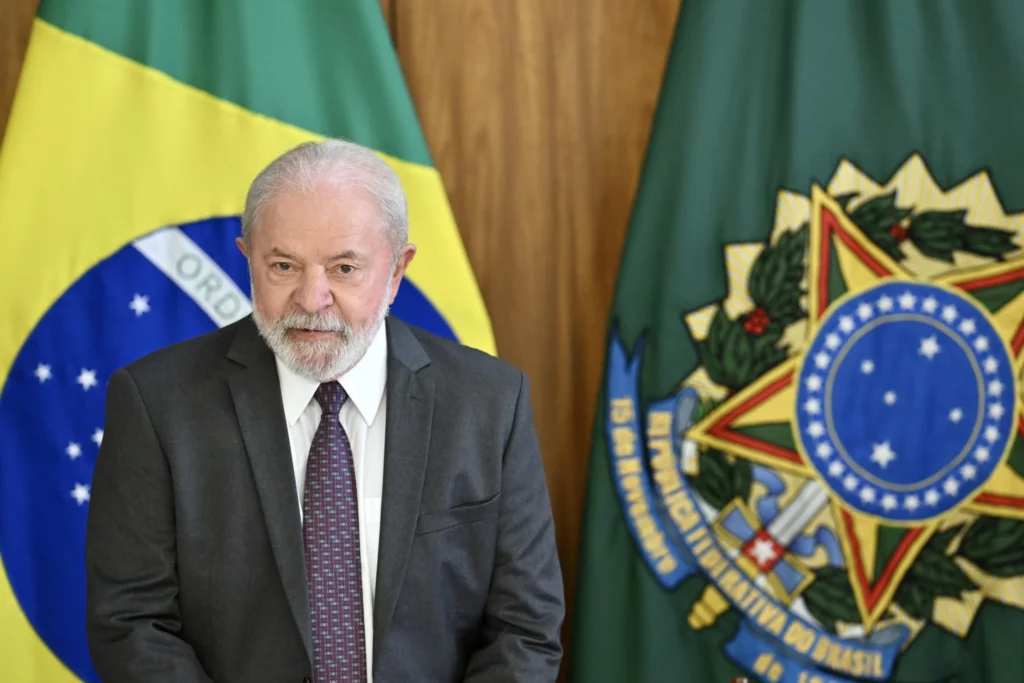
Brazil's Governing Party Secures Unprecedented Control Amid Legislative Chaos
Brazil’s Governing Party Secures Unprecedented Control Amid Legislative Chaos.
One-stop reference
Company Intelligence
Every listed company in Latin America — financials, ownership and structure for 1,450+ companies across 26 exchanges, in one place.
Browse the directory →
RT
Ask Rio Times
This story and the bigger picture.
Open the full Ask Rio Times →

Economic challenges compound political tensions. The administration’s fiscal framework, designed to eliminate deficits by 2024, faltered after relying solely on revenue increases rather than spending cuts.

Brazil Faces Economic and Environmental Challenges

By mid-2024, currency devaluation forced emergency austerity measures, while Congress delayed critical reforms, including a consumption tax overhaul.

Unfinished policies risk stalling growth ahead of 2026 elections, with GDP expansion now threatened by inflationary pressures and potential U.S. trade shifts.

Environmental priorities face similar hurdles. Conservative-led municipalities in the Amazon, responsible for 57% of 2024 wildfire hotspots, oppose federal conservation efforts.

The ruralista bloc and centrão-a transactional coalition controlling 69% of the lower house-reduced the Environment Ministry’s authority and upheld the controversial Marco Temporal law, limiting Indigenous land rights.

Meanwhile, Lula’s infrastructure projects, including hydroelectric dams, signal continued prioritization of development over ecological concerns.

Alliance erosion underscores governance risks. The PDT withdrew support in May 2025 after ministerial disputes, while the PSD criticizes its limited influence despite holding three ministries.

As center-right parties eye 2026 presidential bids, Lula’s strategy focuses on retaining core voters through social programs rather than expanding coalitions. This break from Brazil’s tradition of mid-term alliance adjustments isolates the PT but reflects calculated survival in a polarized landscape.

This article was produced by The Rio Times’ automated newsroom system. How we use AI · Report an error

Read More from The Rio Times

The Rio Times · Power Map
See who really holds power in Latin America
Click to open the Power Map →

Rotate for Best Experience

This report is optimized for landscape viewing. Rotate your phone for the full experience.