Brazil’s Violent Deaths Hit a Series Low
Brazil’s justice ministry reports the lowest ten-month count in its series, led by a steep fall in the Northeast, while one region moved the other way.

Society: Brazil
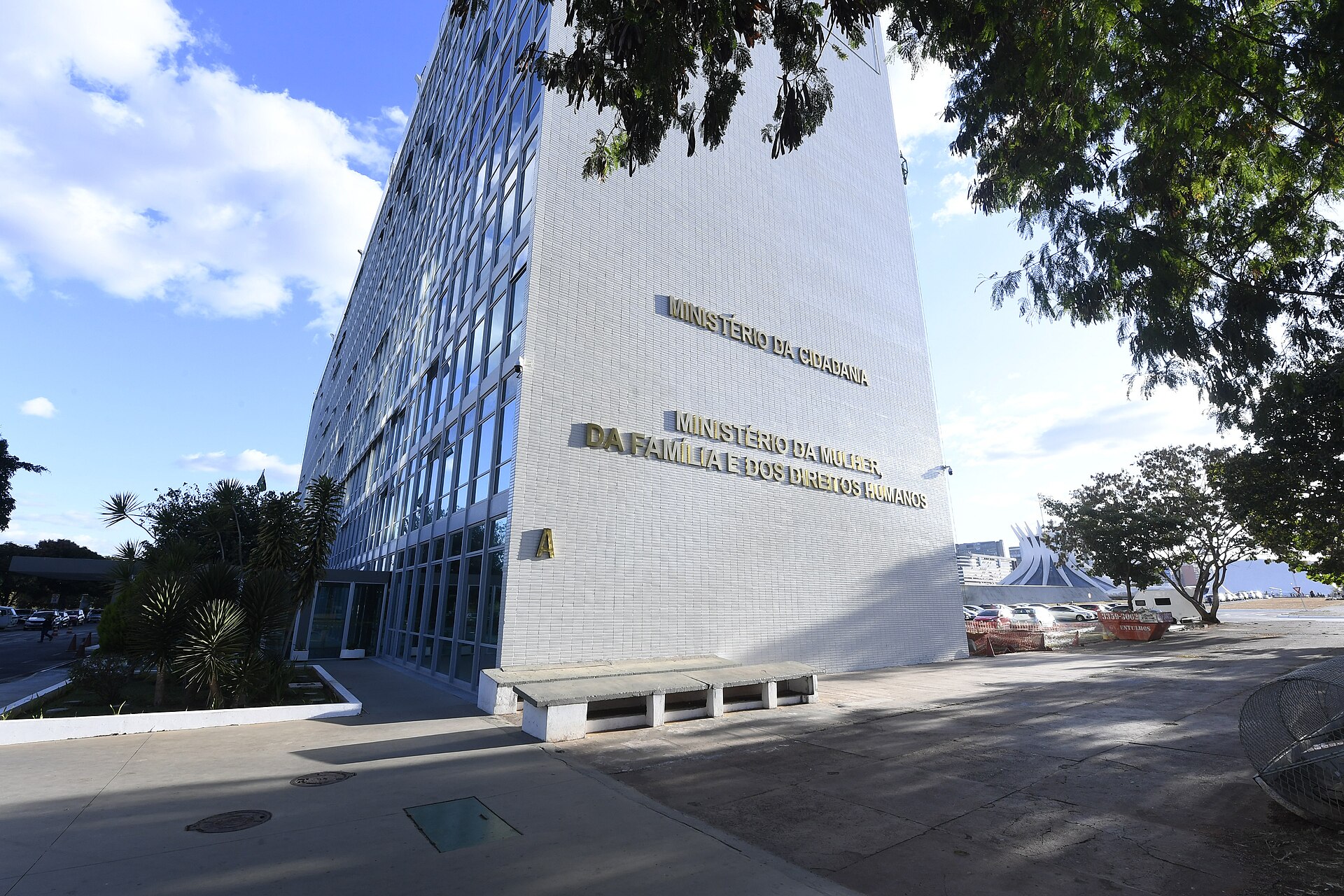
Fewer people died violently in Brazil in the first ten months of 2026 than in any comparable stretch of the national record. The Ministry of Justice and Public Security (MJSP), the federal justice ministry, said on Thursday 19 November 2026 that 24,218 people died violently from January to October, down 12.2% on a year earlier.
The ministry counts intentional homicide, robbery-murder and assaults that end in death. Reductions came in 23 of Brazil’s 27 federal units, but the Center-West region moved the other way.
Key Facts
- Who. The MJSP, Brazil’s federal justice ministry, and its National Public Security Secretariat (Senasp).
- What. Violent deaths fell 12.2% in January to October 2026, the lowest since the ministry’s series began in 2019.
- Where. 23 of Brazil’s 27 federal units, 26 states plus the Federal District, recorded falls.
- Power Index. Brazil ranks 1st of 14 in The Rio Times Latin America Power Index, with 74.2 points (November 2026 edition).
- As of. 20 November 2026, 06:00 GMT.
Brazil’s justice ministry reports the lowest ten-month count in its series, led by a steep fall in the Northeast, while one region moved the other way.
The ministry took the figures from Sinesp, the national public-security statistics system, on 17 November 2026. The series starts in 2019, so the ministry calls this the lowest count for January to October in its records.
In the same months of 2025 it counted 27,587 victims, which means 3,369 fewer people died this year. October alone brought 2,591 victims, 2.8% fewer than the 2,666 of October 2025, a much smaller drop than the ten-month average.
Intentional homicide, the largest category, fell 11.7% to 23,264 victims. Robbery-murder, known in Portuguese as latrocínio, fell 26.7% to 495, and deaths after bodily injury fell 17% to 459.
The fall fits a trend seen by independent researchers. The Brazilian Public Security Forum (FBSP), a non-governmental research group, counted 40,775 violent deaths in 2025 against 44,127 in 2024 in its yearbook of 23 July 2026.
That works out at 19.1 deaths per 100,000 people, the lowest rate in the yearbook’s series, which began in 2012, and the first below 20 per 100,000. The forum counts calendar years by its own method, so its numbers cannot be set beside the ministry’s ten-month count.
The same yearbook recorded 6,602 police killings, the highest in its series, and 1,571 feminicides, the killing of women because they are women, up about 4%. Falling overall deaths therefore came alongside two categories that moved the other way.
The gains were uneven. The Northeast fell 17.2% to 10,500 victims, 2,185 fewer than a year earlier, which alone accounts for nearly two thirds of the national decline.
The South fell 11.5% to 2,129 and the Southeast 10.1% to 6,882, while the North fell 5.6% to 2,926. The Center-West was the only region to rise, up 2.2% to 1,781, and the ministry’s release does not say why.
Ceará, in the Northeast, recorded the largest fall among the states, 47.3%. Acre and Rondônia, both in the North, followed with falls of 23.8% and 23.2%, and Bahia fell 18.2%.
Minas Gerais fell 16.5%, while São Paulo state fell 9.2% and Rio de Janeiro state 5.5%, both less than the national rate. The state figures are the ministry’s own January to October counts.
Chico Lucas, the national secretary of public security, said the states are managing to reduce violence. Anchieta Nery, the ministry’s director of integrated operations and intelligence, said organised crime acts across state lines, so the response must be integrated too.
These are the ministry’s own explanations, not proven causes. The release gives no rate per 100,000 people for 2026 and no note on revisions to earlier data.
The yearbook’s feminicide count is a separate measure and should be read apart from the ministry’s ten-month figure. The ministry’s release on violent deaths does not cover feminicides.
Brazil is the largest economy in Latin America, and many US investors and travellers follow its security trends. Official US travel advisories remain the guide for any trip, since a national count cannot describe the risk in one city or neighbourhood; more is on our Brazil news page.
Frequently Asked Questions
Does the drop mean Brazil is now safe?
No national count can say that. The ministry’s figures show a fall in deaths, but risk still varies by state, city and neighbourhood.
Why did violent deaths fall?
The ministry points to state efforts and cooperation between federal and state forces. Its release gives no analysis that proves a cause.
Can these figures be compared with the Public Security Forum’s?
Not directly. The forum counts calendar years with a different method, while the ministry’s figure covers only part of the year.
Sources
Ministry of Justice and Public Security release (19 November 2026) · Sinesp · Brazilian Public Security Forum Yearbook
Connected Coverage
Brazil news · São Paulo police killings · Latin America Power Map
This article was produced by The Rio Times’ automated AI newsroom. Editorial responsibility: Matthias Camenzind, Publisher and Editor-in-Chief. The Rio Times also runs Ask Rio Times, which answers from 100,000+ of our own articles, the daily Latin America Power Map, and prediction-market odds on elections and markets.. How we use AI · Report an error
Brazil runoff, Sunday, October 25: Brazil runoff start time and results schedule. Latest: Brazil runoff polls, Flávio 51%, Lula 49%.