Tocantins Cocaine Find Ranks Among the Largest in Customs Sweep
BRAZIL · SECURITY
Key Facts
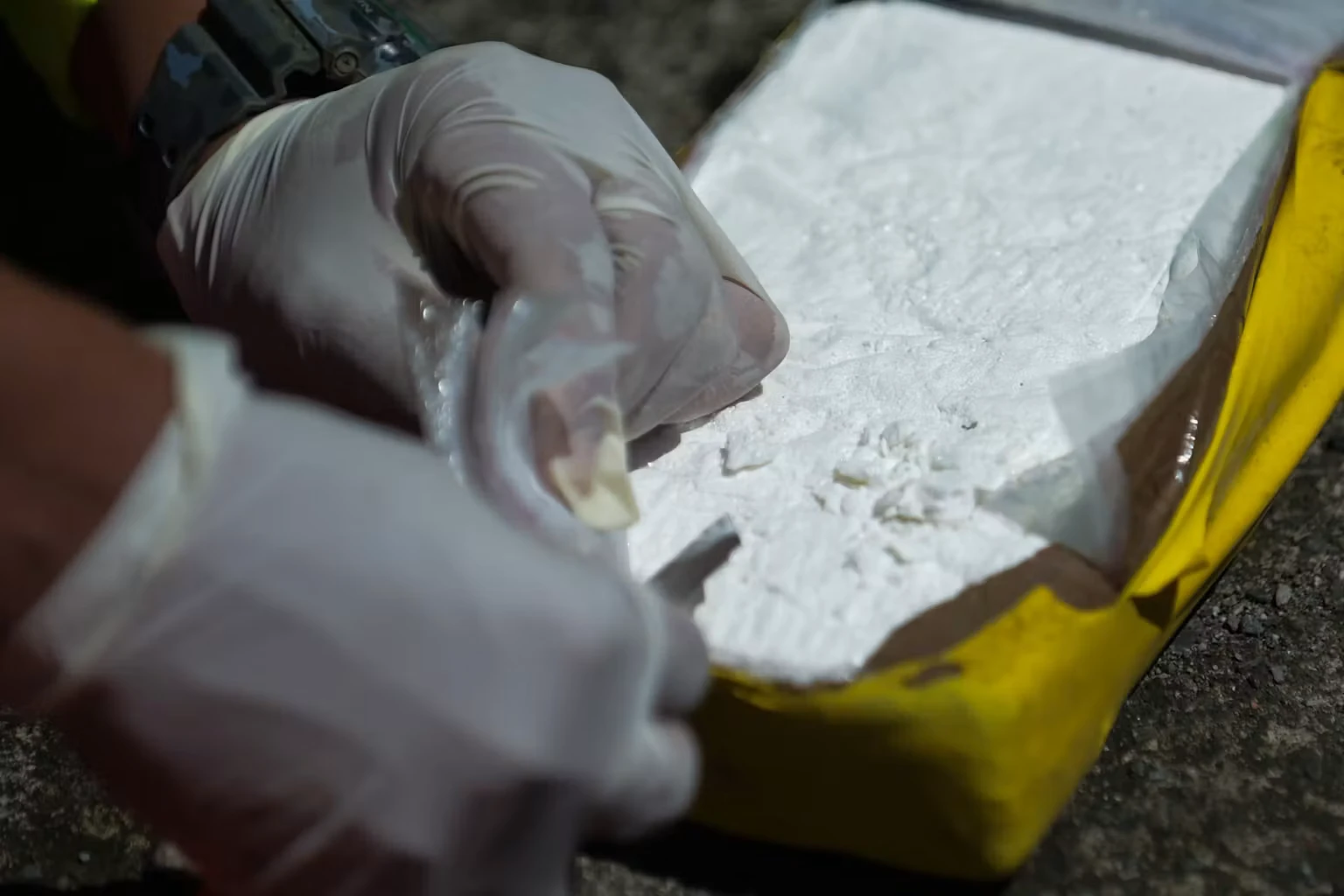
- —What happened: Brazilian task force FICCO/TO seized 490 kg (1,080 lb) of cocaine in rural Tocantins in June.
- —How it ranks: It was the largest of the three individually detailed drug seizures in the operation, about 40% of the 1.2-tonne total.
- —The wider operation: Officers from 19 countries ran 1,431 checks on private aircraft over 16 days.
- —Who was held: Two men were arrested in Pindorama do Tocantins on trafficking and organised-crime charges, among others.
- —The bigger picture: Tocantins recorded more than three tonnes of drug seizures in the first few months of 2026 alone.
- —The caveat: The WCO says most General Aviation flights are entirely legal; the focus is risk profiling, not blanket suspicion.
Runoff · Sunday, 25 October
Brazil Runoff 2026: Lula vs Flávio
Date, polls, debates, odds and how the runoff works, updated every day.
Read our Brazil election 2026 runoff guide →
Brazil runoff polls · Polymarket and Kalshi odds · When results come · Brazil election poll data (CSV)
Prediction markets · who wins the runoff
Implied chance of winning Brazil’s presidency on 25 October, from traders’ prices.
Polymarket
Flávio Bolsonaro 77.5% · Lula 22.5% (US$193 million traded)
Kalshi (regulated in the US by the CFTC)
Flávio Bolsonaro 76% · Lula 24%
As of 23 October, 10:00 pm ET (03:00 Lisbon), updated every 20 minutes. Prices are bets, not polls, and can move fast.
Why we show this: prediction markets turn real-money bets into a live probability that moves within minutes of the news, which is why investors, campaigns and newsrooms in the United States now follow them closely. We show them next to polls and official results, never instead of them.
A June cocaine find in rural Tocantins was the largest individually detailed seizure in a 19-country crackdown on light aircraft. The World Customs Organization published the full results in September.
Officers from Força Integrada de Combate ao Crime Organizado no Tocantins, a Brazilian task force, made the find. It is known for short as FICCO/TO.
On 7 June, they recovered about 490 kilograms (1,080 lb) of cocaine. It was found near a clandestine airstrip in rural Pindorama do Tocantins.
Officers also found an aircraft showing signs of structural modification. They arrested two men, who face charges including drug trafficking and organised-crime membership.
The find drew little attention outside Brazil for three months. In September, the World Customs Organization (WCO) named it in the results of Operation COLIBRI ZAFIRO.
The operation ran for 16 days. It covered private aviation across Latin America, the Caribbean, and West and Central Africa.
A Cerrado State’s Outsized Find
Tocantins is a sparsely populated state in Brazil’s Cerrado savanna. Few readers outside Brazil will recognise the name.
Yet under Operation ZAFIRO, it produced one of the biggest narcotics finds of the whole operation. The WCO’s own numbers show how it compares.
The WCO release lists four separate drug seizures under ZAFIRO. Together, they total around 1.2 tonnes (2,650 lb).
In Paraguay, officers intercepted 262 kilograms (580 lb) of cannabis. It was aboard a private jet that had flown in from the United States via Panama.
Argentine authorities recovered more than 500 kilograms (1,100 lb) of cocaine in two separate cases. One involved 470 kilograms (1,035 lb) hidden behind fuel drums in a van.
Set against the individual figures the WCO has published, the Tocantins find was the largest of the three detailed drug seizures. It was narrowly ahead of the Argentine van seizure, and equal to roughly forty per cent of the operation’s total narcotics haul.
The operation also seized 11 light aircraft. All eleven were taken in Bolivia’s Beni department, not spread across the wider operation.
The Bolivian raids also led to arrests, cash seizures, and the closure of several hangars. Together with the four drug hauls, they made up the 15 seizures the WCO recorded in all.
Tocantins was not an isolated case even within Brazil this year. Federal and highway police reported more than three tonnes of drugs seized in Tocantins in the first few months of 2026.
That included 1.4 tonnes of cocaine, found in a pineapple shipment, buried in soil, and hidden in a truck’s false bottom. The June find fits a pattern in the state’s interior, rather than breaking one.
That is a separate matter from an earlier Rio Times report on a Bolivia-to-Brazil timber shipment. That case, initially suspected of concealing liquid cocaine, collapsed in July after laboratory tests found no cocaine in the wood.
Why Traffickers Use Light Aircraft
General Aviation means privately operated aircraft flying outside scheduled airline routes. It accounts for most civil aviation movements worldwide.
In remote regions, it is often the only practical way to move people and goods. The great majority of these flights are entirely legitimate, carrying farmers, medical patients and cargo where scheduled airlines do not go.
That same reach is what criminal networks exploit. Light aircraft can use small, remote airstrips with lighter oversight than scheduled commercial flights.
The WCO says the same channel moves gold, weapons and cash, alongside drugs. It also costs governments lost customs and tax revenue.
The Method Behind the Numbers
What set ZAFIRO apart from earlier operations, on the WCO’s own account, was not the drugs recovered. It was how officers found them.
For the first time, the project ran three Operational Coordination Units at once. A central hub sat in Lisbon, hosted by the Maritime Analysis and Operations Centre – Narcotics (MAOC-N).
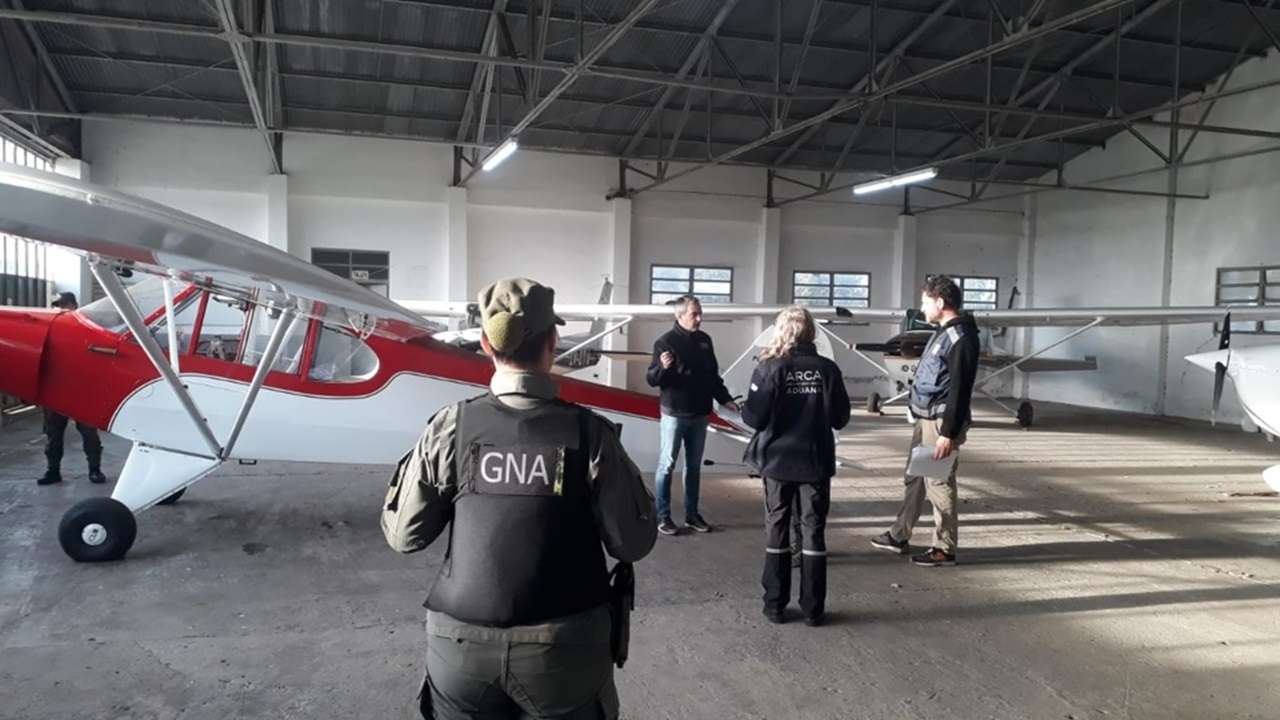
Two regional units covered Abidjan, Côte d’Ivoire, and Buenos Aires, Argentina. All three provided near round-the-clock coverage, staffed by coordinators, trained analysts and national contacts.
The units could profile a suspicious departure and check it against national databases. They could then alert the arrival country’s officers while the aircraft was still airborne.
That turned what was once a spot check into a control planned in advance. Over the 16 days, 1,938 operational events were logged on the WCO Geoportal, the project’s intelligence platform.
Ian Saunders, Secretary General of the World Customs Organization, credited the project’s network of analysts and field officers. He said sharing intelligence is “making a real difference in disrupting criminal networks that exploit General Aviation.”
A Corridor to Europe
For readers outside Latin America, a different finding may matter more. For the first time, officers logged the origin, transit and destination of every flight in the Geoportal.
The resulting picture links both regions directly with Europe. One corridor runs from the east coast of South America; another concentration runs between the Gulf of Guinea and European destinations.
The WCO describes the great majority of that traffic as entirely legitimate. Where a flight was assessed as high-risk, an alert went out and departure details were shared with European authorities.
That let checks on arrival be targeted, rather than random.
A Snapshot, Not the Full Picture
Sixteen days of coordinated checks are a sample, not a survey. The WCO itself calls ZAFIRO the third and largest operation under its COLIBRI project.
The project is funded by the European Union. Its own framing points to further rounds, not a finished job.
The WCO argues that taking 11 aircraft out of circulation in Bolivia removes assets a network cannot quickly replace. Investigators are also left with fuel records, navigation equipment and ownership trails, the WCO says.
None of that, on its own, closes the routes. The WCO itself frames the project’s real achievement as capacity built over time, rather than a single operation ending the trade.
For Pindorama do Tocantins, briefly the source of the operation’s largest detailed drug find, that distinction may matter most.
More: Brazil news in English, every day from The Rio Times.
Sources: World Customs Organization press release, 7 September 2026, and WCO news article, June 2026; Polícia Federal (Brazil); Agência Tocantins; Jornal Opção Tocantins; Conexão Tocantins; Itamaraty 87 FM.
This article was produced by The Rio Times’ automated newsroom system. How we use AI · Report an error · Editorial responsibility: Matthias Camenzind, Editor-in-Chief