Brazil Slumps Ten Positions in Global Peace Ranking
RIO DE JANEIRO, BRAZIL – Between 2019 and 2020, Brazil plunged ten positions in a ranking that measures the “peace index” and the absence of violence in 163 countries worldwide, according to a report released on Wednesday, June 10th, by the Australian think tank Institute for Economics and Peace (IEP).
The country now ranks 126th, behind nations long known for their high violence rates, such as El Salvador and Guatemala, and almost 100 places below Uruguay, the most peaceful country in South America.

The level of peacefulness in Brazil is “low,” according to the report’s rating, prepared and released annually by the institute’s English and New Zealander researchers. Last year, Brazil was ranked 116th, ahead of the United States and with a level of peace considered “good”.
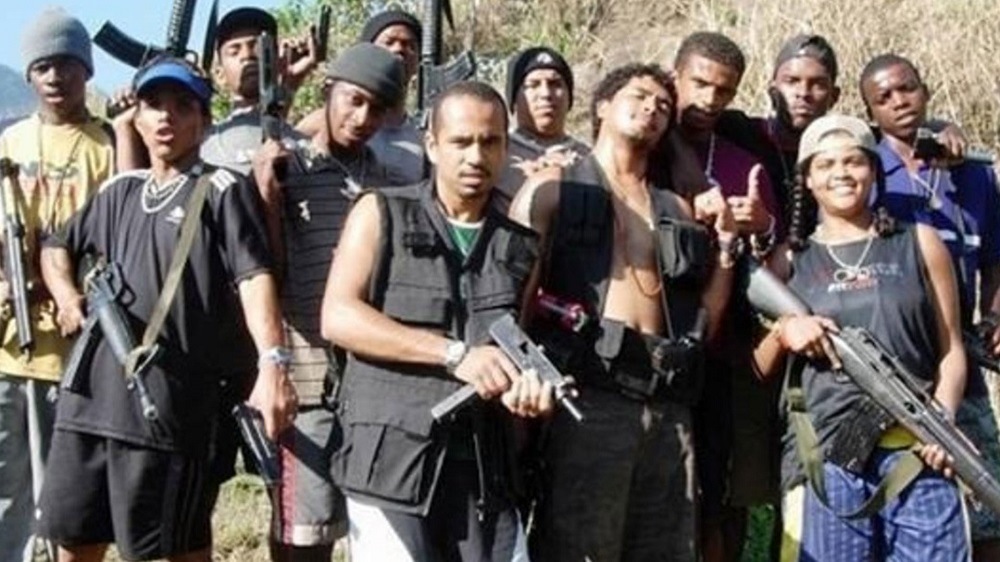
The cause of the country’s decline in the ranking “was the increase in what we call permanent conflicts,” explains Paulo Pinto, a senior researcher at the IEP. Among these conflicts are the activities of the ‘Primeiro Comando da Capital‘ (PCC – First Command of the Capital, the largest Brazilian criminal organization) and of the ‘Comando Vermelho’ (Red Command) and the clashes between these organizations and the country’s security forces. “This was remarkable in the year 2019,” he adds.
Brazil fits into a broader context: Of the nine world regions analyzed by the report, South America had the largest drop in peace rates in a year.
The protests in Chile – triggered by an increase in the subway fare -, in Colombia – driven by cuts in social benefits – and in Ecuador – prompted by the end of government subsidies to the fuel sector, contributed to this deterioration.
The organization says after the 2019 ranking was published, the data was revised and Brazil slumped to 123rd position, which reduces the year-to-year decline. However, this information is not public. If the top positions in 2020 – Iceland ranks first place and New Zealand is second – and the bottom ones – Syria in penultimate position and Afghanistan in the last position- are not surprising, the positive rise of the US is, up seven positions in the survey in a year in which the country had at least 21 gun massacres, according to ABC News.
The researcher explains that, although the attacks in the US have received great media attention, conveying a sense that violence is on the rise, the peace index is calculated based on 23 indicators (among which are the number of prisoners and ease of access to weapons), and the sum of these factors has turned out to be positive for the country.
The removal of troops from Iraq and Afghanistan and Washington’s reduced involvement in these conflicts were also decisive factors in this improvement, the report adds. But even so, the US is 115 places behind Canada, which ranks an enviable sixth. While the level of US militarization has increased, as has the arms trade – making the country the fourth largest arms exporter in the world – its northern neighbor had fewer terrorist attacks in 2019 than in previous years, contributing to its successful placement.
This is the 14th edition of the Global Peace Index and reflects research conducted between March 2019 and March this year, based on 23 indicators, which are grouped into three areas: security, militarization, and ongoing conflict.
The study essentially measures the level of physical violence, weapons, and crime, excluding psychological terror and verbal intimidation. In general, the global peace index was slightly worse – 0.43 percent – than in last year’s survey. This is the result of more than 96 countries facing at least one violent demonstration last year, along the lines of the protests for democracy in Hong Kong.
Looking back, this is the ninth time in 12 years that global peace has deteriorated. As the study was completed in March, its results do not reflect the full impact of the Covid-19 pandemic; however, GPI projects that the economic impact of quarantines around the world will be a “significant threat to peace”.
In parallel, international aid is expected to decline as the OECD members’ economies contract, “further destabilizing fragile and conflict-afflicted countries, including Liberia, Afghanistan, and Southern Sudan”.
More: Brazil news in English, every day from The Rio Times.
This article was produced by The Rio Times’ automated newsroom system. How we use AI · Report an error · Editorial responsibility: Matthias Camenzind, Editor-in-Chief
Brazil runoff, Sunday, October 25: Brazil runoff: date, poll closing times and when results start. Latest: Brazil runoff polls, Flávio 51%, Lula 49%.