IBOV 184,856.37 ▼ 0.61% IPSA 11,381.18 ▲ 1.30% IPC MEX 63,873.32 ▲ 0.58% MERVAL 3,044,594 ▼ 0.55% COLCAP 2,539.81 ▲ 0.71% BVL PERÚ 60,023.65 ▼ 0.38% USD/BRL5.15▲ 0.34% USD/MXN17.24▲ 0.40% USD/CLP959.20▼ 0.29% USD/COP3,176▲ 1.40% USD/PEN3.36▼ 0.64% USD/ARS1,514▲ 0.26% USD/UYU40.16▲ 2.90% USD/PYG5,906▲ 2.95% USD/BOB9.75▼ 8.44% USD/DOP58.83▲ 0.22% USD/CRC444.45▲ 2.49% USD/GTQ7.63▲ 3.03% USD/HNL26.85▲ 0.38% USD/NIO36.62▲ 0.26% USD/VES846.42▼ 0.13% USD/PAB1.00— 0.00% USD/BZD2.00— 0.00% USD/JMD 157.28 — 0.00% USD/TTD6.75▲ 2.57% EUR/BRL5.91▲ 0.08% BRENT 88.88 ▼ 0.03% WTI 83.11 ▼ 0.11% IRON ORE 161.91 — — COPPER 6.61 ▲ 0.03% GOLD 4,461 ▲ 1.78% SILVER 65.59 ▲ 1.26% SOY 1,184 ▲ 3.20% CORN 480.50 ▲ 10.02% WHEAT 655.00 ▲ 3.93% COFFEE 317.25 ▼ 5.51% SUGAR 16.43 ▼ 1.79% ORANGE JUICE 138.55 ▼ 0.47% COTTON 85.03 ▲ 2.33% COCOA 5,719 ▲ 3.18% BEEF 223.60 ▼ 3.93% CATTLE 339.10 ▼ 3.16% LITHIUM 75.20 ▲ 1.47% PETR4 41.64 ▼ 0.05% VALE3 72.97 ▲ 0.83% ITUB4 38.60 ▼ 1.03% BBDC4 16.85 ▲ 0.36% ABEV3 14.89 ▼ 0.80% BBAS3 19.37 ▲ 0.47% B3SA3 14.26 ▼ 0.21% WEGE3 47.59 ▲ 0.49% PRIO3 59.14 ▼ 0.19% SUZB3 41.33 ▲ 2.35% RENT3 34.68 ▼ 0.09% AZZA3 15.89 ▼ 2.63% CSAN3 3.22 ▼ 1.83% RAIZ4 0.25 — 0.00% PCAR3 2.75 ▼ 0.36% GMAT3 3.65 ▼ 1.08% PSSA3 48.13 ▼ 0.54% CVCB3 1.33 ▼ 2.92% POSI3 3.36 ▲ 2.44% SLCE3 13.34 ▲ 0.30% NATU3 8.14 ▼ 0.73% IBOV 184,856.37 ▼ 0.61% IPSA 11,381.18 ▲ 1.30% IPC MEX 63,873.32 ▲ 0.58% MERVAL 3,044,594 ▼ 0.55% COLCAP 2,539.81 ▲ 0.71% BVL PERÚ 60,023.65 ▼ 0.38% USD/BRL 5.16 ▲ 0.01% USD/MXN 17.06 ▼ 0.24% USD/CLP 913.98 ▲ 0.04% USD/COP 3,140 ▲ 0.03% USD/PEN 3.36 ▼ 0.66% USD/ARS 1,493 ▲ 0.10% USD/UYU 40.27 ▲ 1.24% USD/PYG 5,939 ▲ 1.68% USD/BOB 11.64 ▼ 0.76% USD/DOP 58.34 ▲ 1.25% USD/CRC 445.92 ▲ 0.89% USD/GTQ 7.62 ▲ 2.21% USD/HNL 26.79 ▲ 1.57% USD/NIO 36.62 ▲ 0.69% USD/VES 762.44 ▼ 0.13% USD/PAB 1.00 — 0.00% USD/BZD 2.00 — 0.00% USD/JMD 157.28 — 0.00% USD/TTD 6.70 ▲ 0.61% EUR/BRL 5.95 ▲ 1.01% BRENT 88.88 ▼ 0.03% WTI 83.11 ▼ 0.11% IRON ORE 161.91 — — COPPER 6.61 ▲ 0.03% GOLD 4,461 ▲ 1.78% SILVER 65.59 ▲ 1.26% SOY 1,184 ▲ 3.20% CORN 480.50 ▲ 10.02% WHEAT 655.00 ▲ 3.93% COFFEE 317.25 ▼ 5.51% SUGAR 16.43 ▼ 1.79% ORANGE JUICE 138.55 ▼ 0.47% COTTON 85.03 ▲ 2.33% COCOA 5,719 ▲ 3.18% BEEF 223.60 ▼ 3.93% CATTLE 339.10 ▼ 3.16% LITHIUM 75.20 ▲ 1.47% PETR4 41.64 ▼ 0.05% VALE3 72.97 ▲ 0.83% ITUB4 38.60 ▼ 1.03% BBDC4 16.85 ▲ 0.36% ABEV3 14.89 ▼ 0.80% BBAS3 19.37 ▲ 0.47% B3SA3 14.26 ▼ 0.21% WEGE3 47.59 ▲ 0.49% PRIO3 59.14 ▼ 0.19% SUZB3 41.33 ▲ 2.35% RENT3 34.68 ▼ 0.09% AZZA3 15.89 ▼ 2.63% CSAN3 3.22 ▼ 1.83% RAIZ4 0.25 — 0.00% PCAR3 2.75 ▼ 0.36% GMAT3 3.65 ▼ 1.08% PSSA3 48.13 ▼ 0.54% CVCB3 1.33 ▼ 2.92% POSI3 3.36 ▲ 2.44% SLCE3 13.34 ▲ 0.30% NATU3 8.14 ▼ 0.73%
since 2009
Friday, September 18, 2026

Brazil Business - Brazil

Brazil Risks $53B on Largest State-Driven Industrial Overhaul Since 1970s Decline Era

By · May 27, 2025 · 2 min read

The LatAm Brief

One email, every weekday morning. What moved in Latin American markets, politics and expat life.

Yesterday’s subject line: “Brazil raised welfare 15% — seventeen days before the vote”

Free. We send a confirmation link first — nothing arrives until you click it. Unsubscribe with one click in any edition. If you stop opening us for 30 days we stop sending by ourselves, as we assume the interest is no longer there. See our privacy policy. We never share your email.

The Brazilian government will invest R$300 billion ($53 billion) through 2026 in its “Nova Indústria Brasil” plan, aiming to reverse decades of industrial decline.

Announced by BNDES president Aloizio Mercadante, the policy targets six sectors: agriculture (R$56.2B), digital development (R$49.6B), defense (R$23.9B), decarbonization (R$17.6B), health (R$7.1B), and infrastructure (R$5.8B).

This marks Brazil’s largest state-led industrial push since the 1970s, fueled by a 3.4% GDP growth in 2024 and a 3.1% manufacturing rebound after years of stagnation.

BNDES, the state development bank, has already disbursed R$205 billion (80% of its initial target), with industrial credit surging 132% since 2022.

The bank’s 2024 approvals hit R$52.4 billion, eclipsing agribusiness lending for the first time since 2017. Mercadante credits this expansion with lifting Brazil’s global industrial ranking from 40th to 25th, per the Industrial Development Institute.
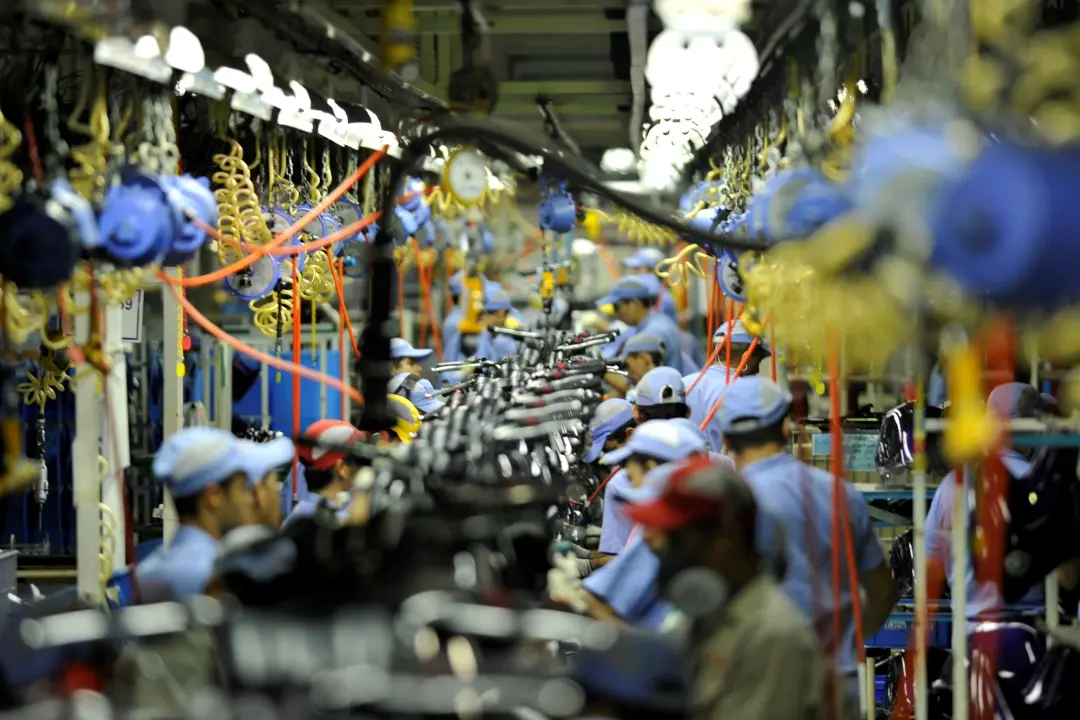
Brazil Risks $53B on Largest State-Driven Industrial Overhaul Since 1970s Decline Era
Brazil Risks $53B on Largest State-Driven Industrial Overhaul Since 1970s Decline Era.
One-stop reference
Company Intelligence
Every listed company in Latin America — financials, ownership and structure for 1,450+ companies across 26 exchanges, in one place.
Browse the directory →
RT
Ask Rio Times
Latin American markets, currencies and companies.
Open the full Ask Rio Times →

The plan prioritizes import substitution in pharmaceuticals, defense tech, and agricultural machinery while backing green hydrogen and 5G infrastructure projects.

Brazil’s Industrial Revival

Public procurement rules now favor domestic producers, and firms accessing subsidies face annual performance reviews on energy efficiency and R&D targets.

Critics note parallels to past failed policies, such as 1970s debt-driven growth that left Brazil reliant on foreign loans and luxury goods markets.

Economists highlight risks: BNDES disbursements now equal 1.1% of GDP, down from 3% during the 2009-2014 credit boom, but still strain fiscal limits.

The program’s 2033 goals require sustained 4% annual industrial growth—a challenge given Brazil’s 6.6% unemployment rate and 40% informal workforce.

While the government touts 2.1 million potential new jobs, analysts caution that similar initiatives in the 2000s achieved limited structural change despite $60 billion investments.

Brazil’s industrial output remains 18% below its 1980s peak, with manufacturing contributing just 11% to GDP. The plan’s success hinges on avoiding past pitfalls: political interference in credit allocation, inadequate export competitiveness, and overreliance on protected domestic markets.

As global trade tensions rise, Brazil’s state-driven gamble tests whether targeted subsidies and local content rules can outpace market forces in rebuilding industrial muscle.

This article was produced by The Rio Times’ automated newsroom system. How we use AI · Report an error

Read More from The Rio Times

The Rio Times · Power Map
See who really holds power in Latin America
Click to open the Power Map

Rotate for Best Experience

This report is optimized for landscape viewing. Rotate your phone for the full experience.