Bolivia Gold Mining: Court Orders State Plan in 10 Days for Three Rivers
BOLIVIA · ENVIRONMENT
Key Facts
- —The order Bolivia’s environmental court ordered four ministries and the protected-areas service to present a plan for mining-damaged zones within 10 days of notification (Opinión, Los Tiempos, 30 September 2026).
- —The rivers The order mainly covers the Madidi, Madre de Dios and Tuichi rivers in Bolivia’s northern Amazon region, both newspapers reported on 30 September 2026.
- —New contracts frozen The court suspended the receipt, processing and granting of new mining contract applications in the named zones, according to the same reports.
- —Mines checked The state mining authority has 60 days to check gold operations with valid rights and suspend those without an environmental licence.
- —The health toll A study cited by Opinión on 28 September 2026 found average mercury levels up to 5.5 parts per million in women of the Beni river basin, five times the WHO limit.
Bolivia gold mining on three Amazon rivers faces a freeze on new contracts, and ministries have 10 days to present a plan.
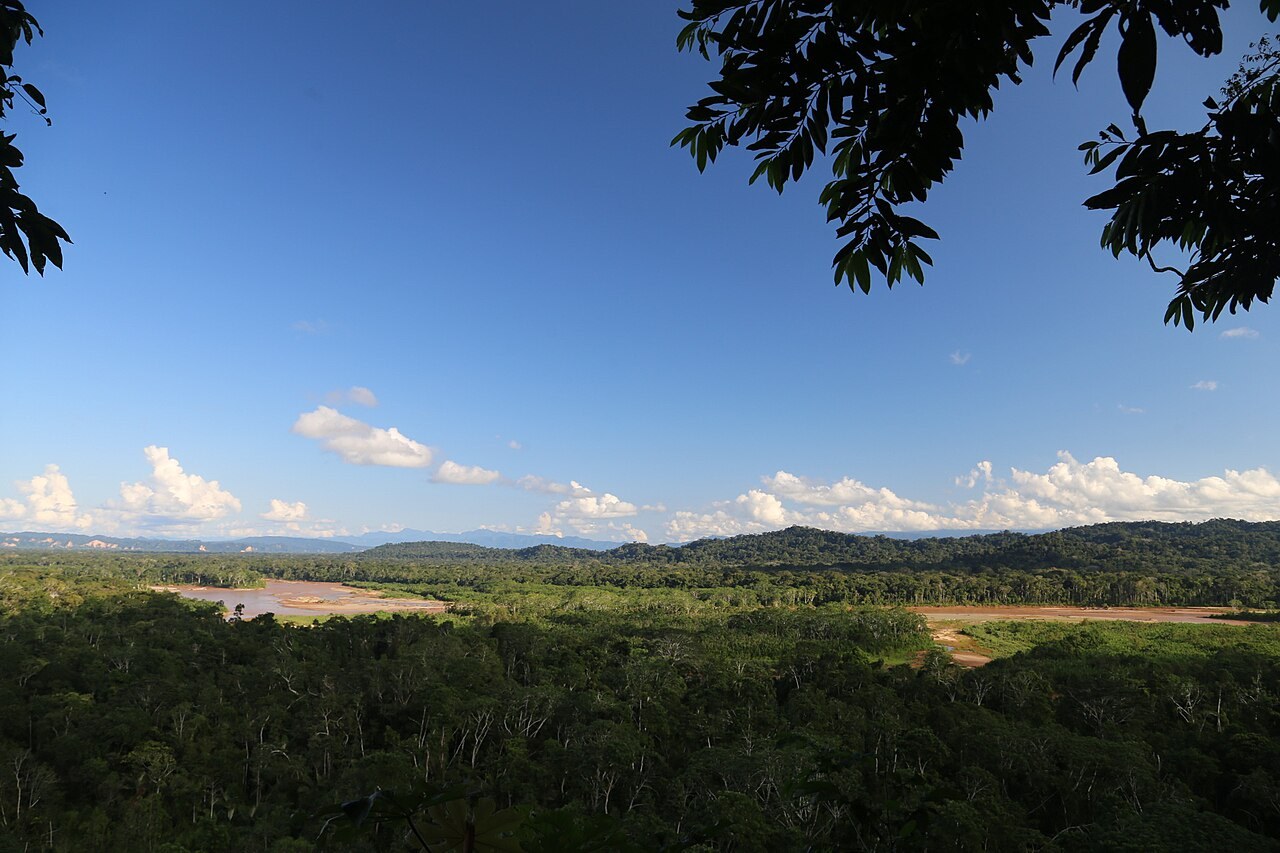
Bolivia’s environmental court has ordered the government to present, within 10 days, a plan for areas damaged by gold mining. The order covers mainly the Madidi, Madre de Dios and Tuichi rivers in the Bolivian Amazon.
What the court ordered
The court is the Tribunal Agroambiental, Bolivia’s national court for land, farming and environmental cases. Its president, Roxana Chávez Rodas, explained the ruling to the radio network Erbol.
The plan must be presented within 10 days of notification and put into action within the following 15 days. “First, they have to present the plan of comprehensive intervention for these affected zones,” Chávez said.
The plan must rest on a study of conditions in each affected area. The ministries involved will carry out that study and then set the actions for each place.
The court issued the resolution on Friday 25 September 2026. Notifications to the institutions were still under way on Wednesday, Chávez said.
Who must act
The order reaches four ministries: Defence, Government, Mining and Metallurgy, and Development Planning and Environment. The Government ministry is Bolivia’s interior ministry, which runs the police.
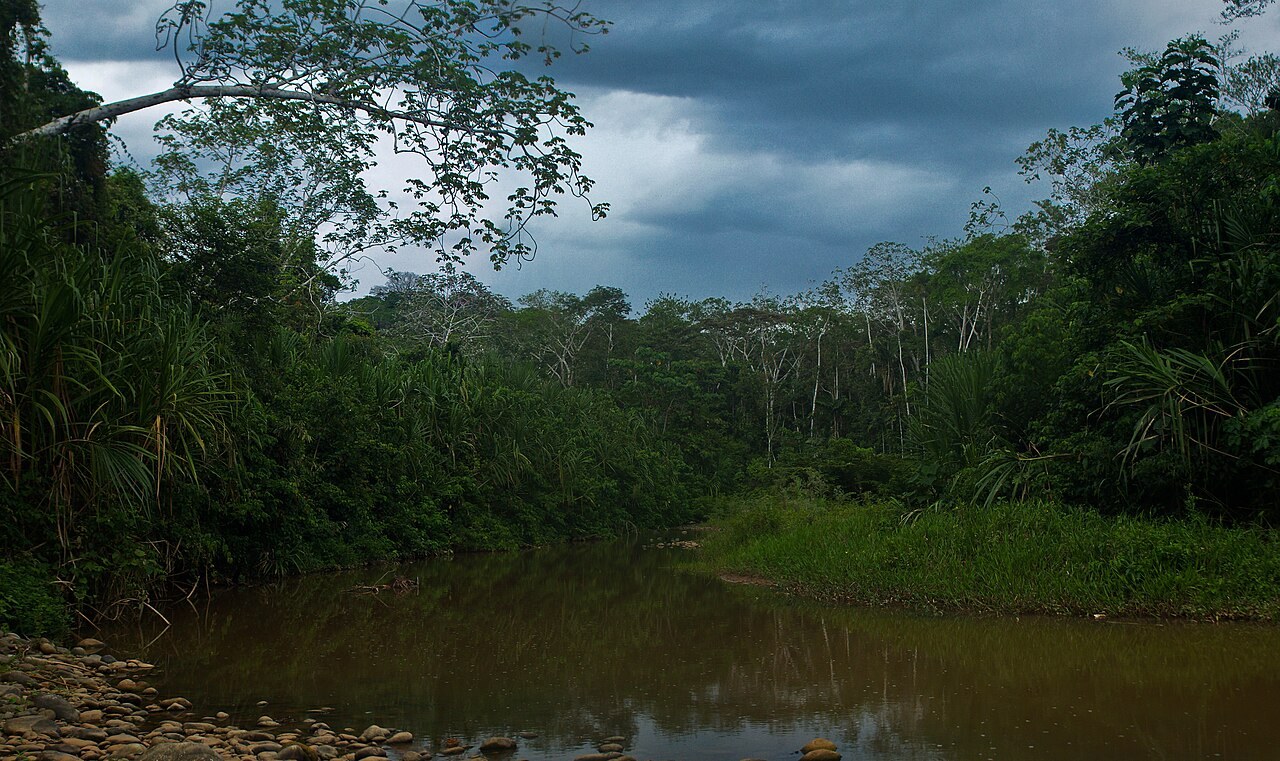
It also covers SERNAP, the national service that manages protected areas such as Madidi National Park. Madidi covers almost 1.9 million hectares of forest, rivers and mountains north of La Paz, Opinión reported. The park holds more than 8,000 species of higher plants and about 1,500 species of vertebrates.
A freeze on new mining contracts
The court suspended the receipt, processing and granting of new mining contract applications in the named zones. While the suspension lasts, new gold projects cannot start the legal process there.
AJAM, the state authority that grants and supervises mining rights, has 60 days to check gold operations that already hold valid rights. It must suspend those without an environmental licence.
AFCOOP, the agency that oversees cooperatives, must suspend any registration or update of gold cooperatives working these rivers. Cooperatives are member-owned mining groups.
Mercury in the water and on the plate
Gold miners often use mercury to bind fine gold particles. The metal then enters rivers, builds up in fish and reaches the people who eat them.
Roger Carvajal of the Universidad Mayor de San Andrés led a two-year study of women in the Beni river basin. It found average mercury levels of up to 5.5 parts per million, Opinión reported.
That is five times the World Health Organization limit of 1 part per million. Across the basin, 74.5% of 305 people who gave hair samples were above the safe limit, the newspaper reported.
The court also ordered the Health Ministry, the National Statistics Institute and public universities to assess indigenous communities exposed to mercury. Mobile medical teams must be deployed within 10 working days.
The people behind the numbers
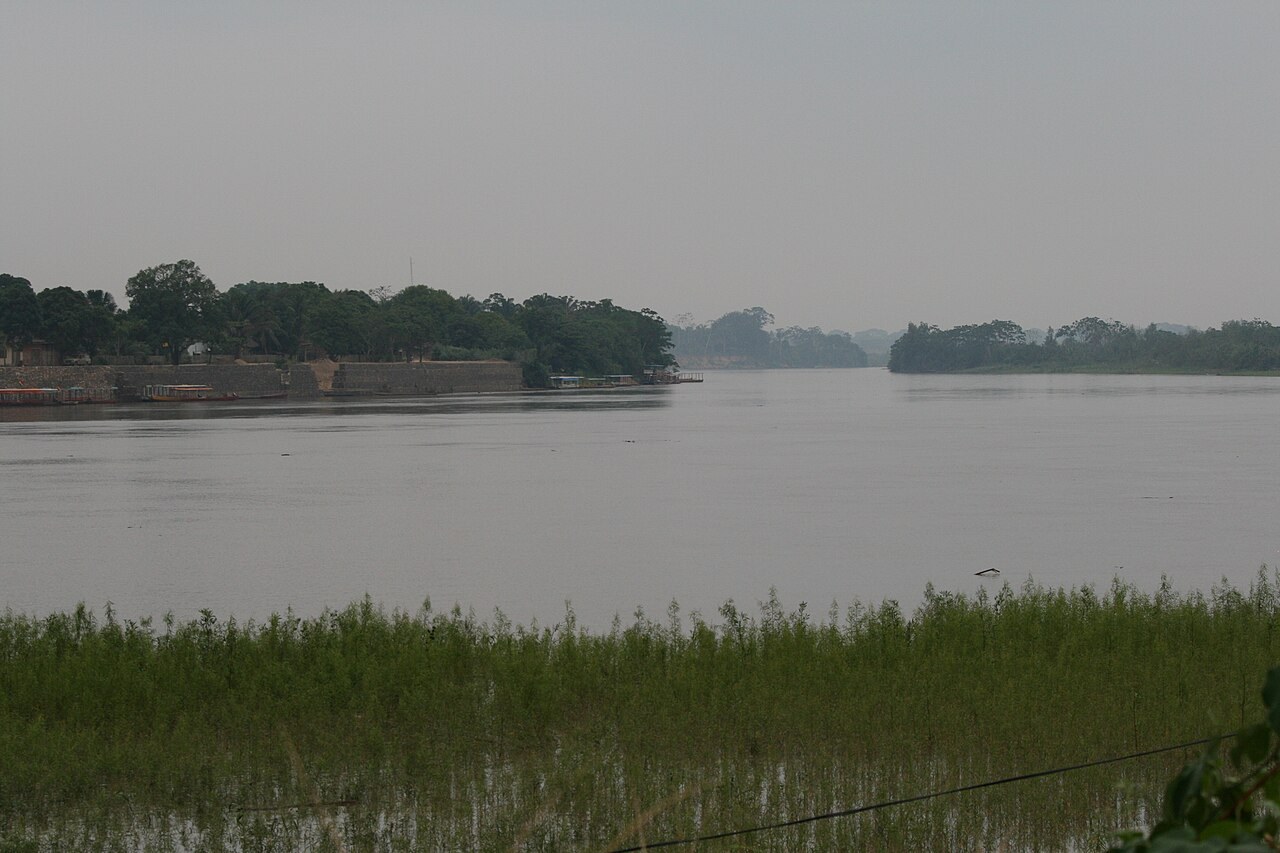
Opinión visited Eyiyoquibo, a small Esse Ejja community near San Buenaventura, across the Beni river from Rurrenabaque. The Esse Ejja are an Amazon people who have fished these waters for generations.
Families there described children with neurological damage and adults dying young. “If the situation does not change, the Esse Ejja could die out,” their vice president, Ángel Durán, told the newspaper.
Court orders and the test of enforcement
This is not the first court order on mercury in the region. In 2023 a judge in Rurrenabaque ordered treatment for people with high mercury levels. Most were Esse Ejja, Tsimane and Mosetén people.
Community leaders told Opinión that the law, the decree and the ruling all exist, but the doctor with medicines has not arrived. Chávez said any failure to comply will be referred to the Public Prosecutor’s Office.
Upriver, large dredging boats that local people call “Chinese dragons” keep turning over the riverbed in search of gold, Opinión reported. The court’s order now gives the state a fixed calendar to respond.
What comes next
The government has yet to present its plan, and the 10-day clock starts only when each institution is notified. The 60-day review of existing mines will show how many operations hold an environmental licence.
For miners and investors, the new-contract freeze is the immediate change. For the river communities, the test is whether the medical teams arrive within the court’s 10 working days.
More: Bolivia news, every day from The Rio Times.
Frequently Asked Questions
What did Bolivia’s environmental court order?
The Tribunal Agroambiental ordered four ministries and the protected-areas service to present a plan for mining-damaged zones within 10 days of notification. The plan must start within the following 15 days. The court also froze new mining contract applications in the zones.
Which rivers does the order cover?
It mainly covers the Madidi, Madre de Dios and Tuichi rivers in Bolivia’s northern Amazon region. Parts of this area lie in and around Madidi National Park.
Why is mercury a problem in the Bolivian Amazon?
Gold miners use mercury, which enters rivers and builds up in fish. A study cited by Opinión found average levels of up to 5.5 parts per million in women of the Beni basin. That is five times the WHO limit.
Sources: Opinión · Los Tiempos · Opinión
Read More from The Rio Times