Bolivia Attorney General Case Could Lead to US Extradition, Minister Says
Politics · Bolivia
Key Facts
- —What happened Bolivia’s government is asking Washington, through its Foreign Ministry, for the evidence behind the corruption designation of its chief prosecutor.
- —How wide it goes The United States named thirteen Bolivians, including Attorney General Roger Mariaca, and made nine more ineligible without naming them.
- —The catch No Bolivian court has convicted Mariaca, and Washington has published no evidence beyond the wording of its own release.
- —What could follow Defence Minister Ernesto Justiniano said the case could lead to a United States investigation and probably an extradition request.
- —What comes next Mariaca refuses to step aside, and Congress meets on 5 October to consider the American list and possible inquiries.
Washington has barred Bolivia’s chief prosecutor from the United States and accused him of taking bribes to facilitate drug trafficking. His own government now wants to see the file.
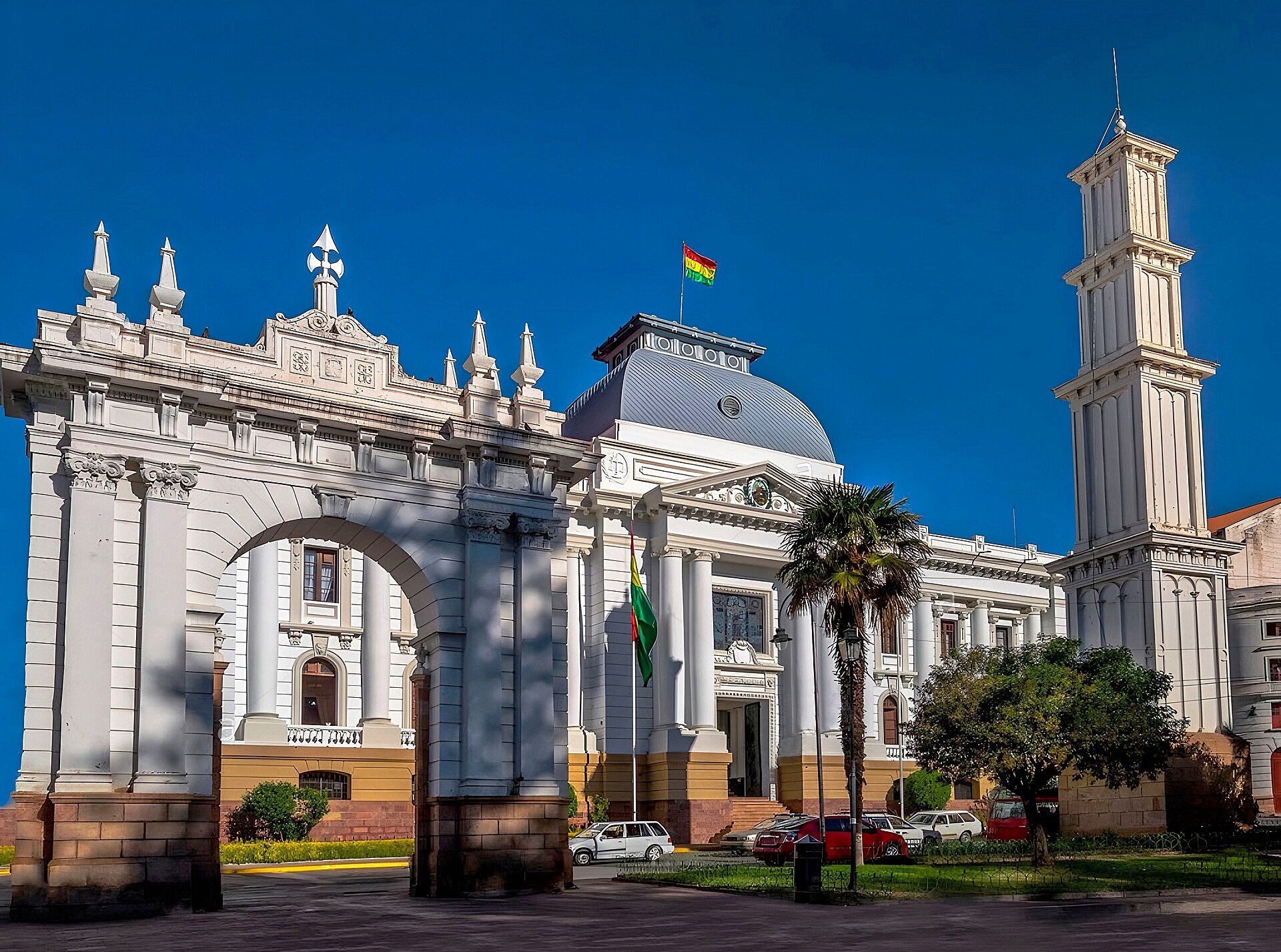
The United States has barred Bolivia’s attorney general from its territory. His own government now says it wants to see the case against him.
Ministers in La Paz said on Tuesday 29 September that they were asking Washington for the evidence. They are putting the request through the Foreign Ministry.
The man at the centre is Roger Mariaca Montenegro. He is the Fiscal General del Estado, the prosecutor who heads Bolivia’s Public Prosecutor’s Office.
What Washington actually did
The US Department of State published its decision on Monday 28 September. It announced a new visa restriction policy for the Western Hemisphere.
The policy rests on Section 212(a)(3)(C) of the Immigration and Nationality Act. That clause bars foreigners whose entry could seriously damage United States foreign policy.
Under it, Washington revoked the visas of twelve named Bolivians and their families. Nine more Bolivians who hold no visa were made generally ineligible for one.
The twelve include three prosecutors, three judges and two magistrates. The rest are a former justice minister, a former head of the national customs service, a police colonel and a businessman.
Mariaca was handled by a second and different instrument. The department publicly designated him for what it called significant corruption.
That designation is made under Section 7031(c) of the State Department’s 2026 appropriations act. The law requires the secretary of state to designate foreign officials where there is credible information of significant corruption.
The department said Mariaca solicited and accepted bribes to facilitate drug trafficking. It added that he helped violent criminals evade justice.
The designation makes him and his immediate family ineligible to enter the United States. Bolivia’s attorney general has rejected the accusations in full.
The measure is about entry, not money. The State Department announced no freezing of assets, and the full list across four countries ran in our earlier report.
La Paz asks for the file
Ernesto Justiniano Urenda has been Bolivia’s defence minister since June 2026. On Monday he said the government took the American statements with complete seriousness.
The government would ask for supplementary information and supporting evidence, he said. Bolivia wants to know what the American decision rests on.
“What we are doing at this moment is making the inquiries through the Foreign Ministry,” he said. The Bolivian state news agency ABI published the remarks on Tuesday.
Fernando Aramayo, the minister of the presidency, spoke on Monday at the Casa Grande del Pueblo, the seat of government. He called the situation a test of Bolivia’s democratic institutions.
He promised cooperation with whatever investigations Bolivian bodies decide to open. He also said the executive would not comment on any specific investigation.
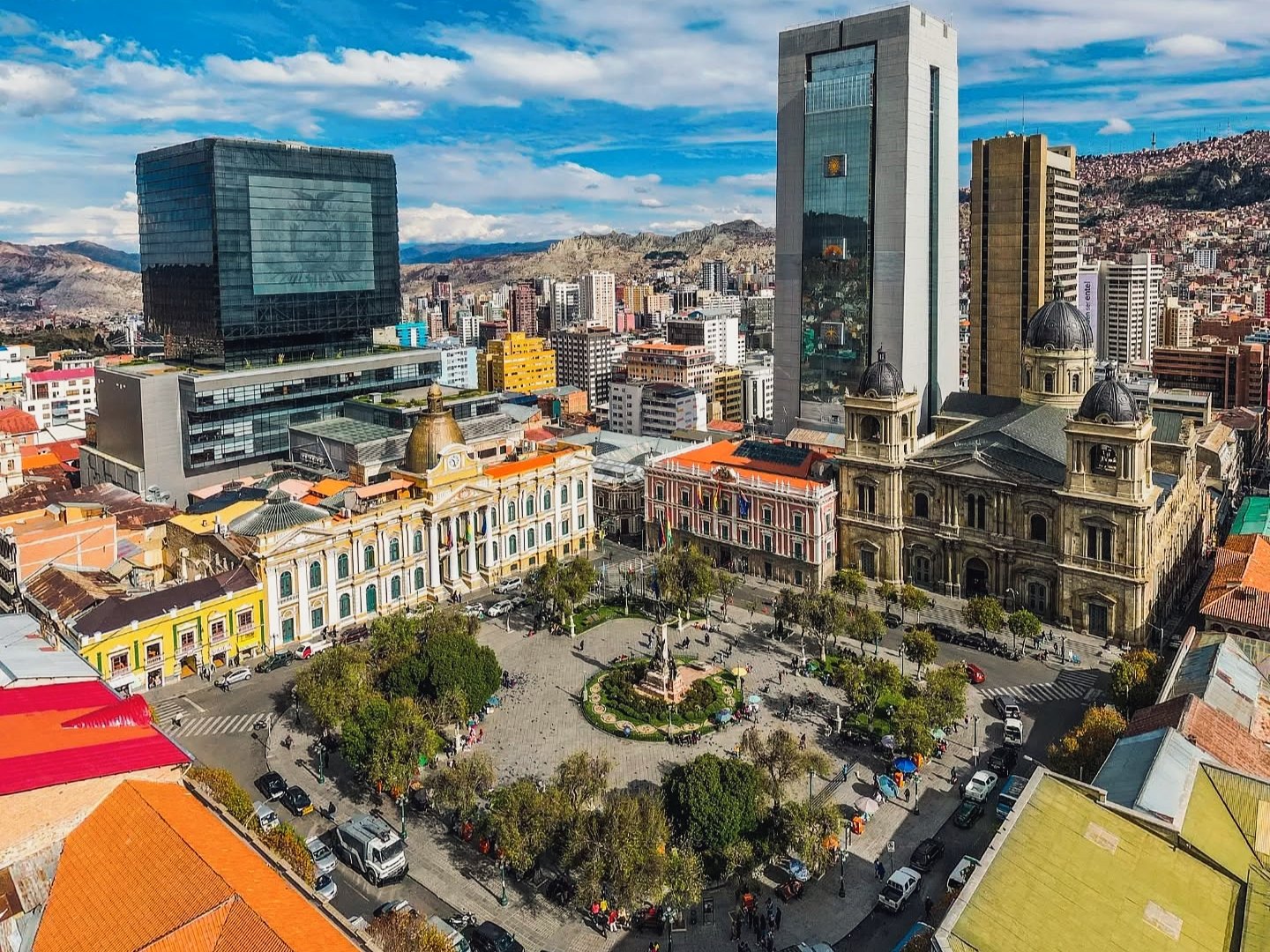
The word extradition enters the debate
On Tuesday the defence minister was asked how far the matter could go. He did not rule anything out.
“Yes, this could lead to an investigation, a judicial step in the United States, probably an extradition request,” he said. He added that any such decision belonged to American authorities.
He asked for caution about the others named in the American measures. He said the government had no further information about their cases.
The accusations are those of a foreign government. The Bolivian state news agency noted in its report that they do not by themselves amount to a conviction.
The Bolivian government has announced no charge against Mariaca. No Bolivian court has convicted him, and Washington has published no evidence beyond the wording of its release.
Congress takes the file
Vice-President Edmand Lara presides over the Plurinational Legislative Assembly. He has called a session for Monday 5 October to consider the American list.
His written convocation says the Assembly may form a parliamentary commission of inquiry. It also says a foreign state’s immigration measures do not by themselves establish criminal responsibility in Bolivia.
The heads of both chambers had already asked the prosecutor to step aside, as we reported on Tuesday. Lara has rejected removing him over a list issued abroad.
Mariaca refuses to go. “I will not retreat even one centimetre,” he said in a video message released by the Public Prosecutor’s Office.
He said Bolivia respects the sovereign decisions of other states and expects the same respect for its own institutions. He said his office would carry on with the cases already under way.
Bolivia’s attorney general is chosen by Congress, not by the president. The Plurinational Legislative Assembly elected Mariaca on 21 October 2024, with 115 votes of the 161 cast, for a six-year term.
That is why removing him is a parliamentary matter. Any dismissal would run through a juicio de responsabilidades, the impeachment-style process Congress uses against high officials.
What it changes for people in Bolivia
For residents, travellers and businesses, nothing changes at any border. The measures reach named individuals and their immediate families, not Bolivian citizens in general.
Bolivia takes part in the Shield of the Americas, a United States-backed regional effort against organised crime. Washington tied Monday’s announcement to a statement by that group’s leaders on 22 September.
The calmer reading is that Bolivian institutions are engaging rather than refusing. The government has asked for evidence, Congress has asked for documents, and the prosecutor has answered in public.
The unsettled part is the sequence. Bolivia has asked for the file, and no answer from Washington has been reported.
A dissenting voice from the regions
Leonardo Loza, the governor of Cochabamba, rejected the American step on Tuesday. He called it a “judicial invasion” and said Bolivia was being made to look subordinate.
“I do not defend anyone, I do not justify anyone,” he told reporters. He added that those named should be investigated, without breaking the country’s sovereignty.
The government is also answering questions about the president’s recent trip to the United States. President Rodrigo Paz has governed Bolivia since November 2025.
Nothing in the American measure obliges Bolivia to act against its own prosecutor. What follows depends on whether Washington hands over its file, and on what the Assembly then does with it.
More: Bolivia coverage, every day from The Rio Times.
Frequently Asked Questions
Who is Roger Mariaca?
Roger Mariaca Montenegro is Bolivia’s Fiscal General del Estado, the prosecutor who heads the Public Prosecutor’s Office. The Plurinational Legislative Assembly, Bolivia’s Congress, elected him on 21 October 2024 with 115 of the 161 votes cast, for a six-year term. He was sworn in two days later. Before that he was a departmental prosecutor in Santa Cruz.
What exactly did the United States do?
Two separate things on 28 September 2026. It announced a visa restriction policy under Section 212(a)(3)(C) of the Immigration and Nationality Act, and used it to revoke the visas of twelve Bolivians and to make nine more ineligible. Separately it publicly designated Mariaca for significant corruption under Section 7031(c) of the State Department’s 2026 appropriations act. Both are entry measures; no financial sanctions were announced.
Has Bolivia’s attorney general been charged or convicted?
No Bolivian court has convicted him, and the government has announced no charge against him. Ministers say the competent Bolivian bodies will carry out whatever investigations are needed once Washington shares its material. A designation by a foreign government is an accusation, not a finding by a Bolivian judge.
Does this change anything for foreigners in Bolivia?
No. The measures apply to named individuals and their immediate families, and they concern entry to the United States. Visa rules for other Bolivians, and entry rules for foreigners going to Bolivia, are untouched by the announcement.
Sources: US Department of State, 28 September 2026 (text read in full on the US Embassy Bogotá mirror), ABI on the defence minister and extradition, 29 September 2026, ABI on the government’s response, 28 September 2026, Erbol on the same remarks, La Patria on the two chamber presidents, Infobae and EFE on the request to Washington, eju.tv on Mariaca’s video message, Infobae on the thirteen named Bolivians, Bolivia’s Chamber of Deputies on his election in 2024, El Deber on the defence minister taking office, Unitel on the deputies and the presidential trip, El Deber on the Legislative Assembly and the constitutional route, Erbol on the Assembly session called for 5 October, Erbol on the Cochabamba governor’s objection, background on President Rodrigo Paz
Read More from The Rio Times