Buenos Aires Adds 12 Notable Bars and a New Bar Discovery Map
Buenos Aires · Nightlife
Key Facts
- New additions 12 bars joined the Bares Notables heritage list, for a citywide total of 90.
- Notable spots Bar Portuario and Boca a Boca in La Boca; Josephina’s Café in Recoleta.
- Other names Bar Conde, Café Rivas, Confitería El Greco, La Escuela, La Orquídea, Plaza Café, Vía 71, La Ópera, Café Cortázar.
- Selection rules Age, architecture, cultural relevance, and neighborhood history decide the honor.
- Official status The city’s heritage commission grants the distinction, making venues part of the cultural circuit.
- No entry fee Visiting these bars costs nothing extra; you pay only for what you order.
- Typical coffee A café con leche at a notable bar often runs AR$3,500–AR$5,000 (US$2.30–US$3.30).
Buenos Aires is quietly turning its old coffee counters into a free, self-guided cultural trail. For expats and nomads, that means a fresh reason to explore neighborhoods beyond the usual coworking circuit.
It is a way to read the city’s history through its tiles, mirrors, and waiters.
If you live in Buenos Aires, you already know the feeling. You walk past a corner bar with worn wood and old ceiling fans.
You wonder what stories it holds. Now the city has made that curiosity official.
Buenos Aires just added 12 new venues to its Bares Notables program. The total stands at 90 recognized cafés, bars, billares, and confiterías.
The new list includes spots in La Boca and Recoleta. It comes with a practical tool — a Buenos Aires bars discovery map.
You can use it to plan your own heritage crawl, neighborhood by neighborhood.
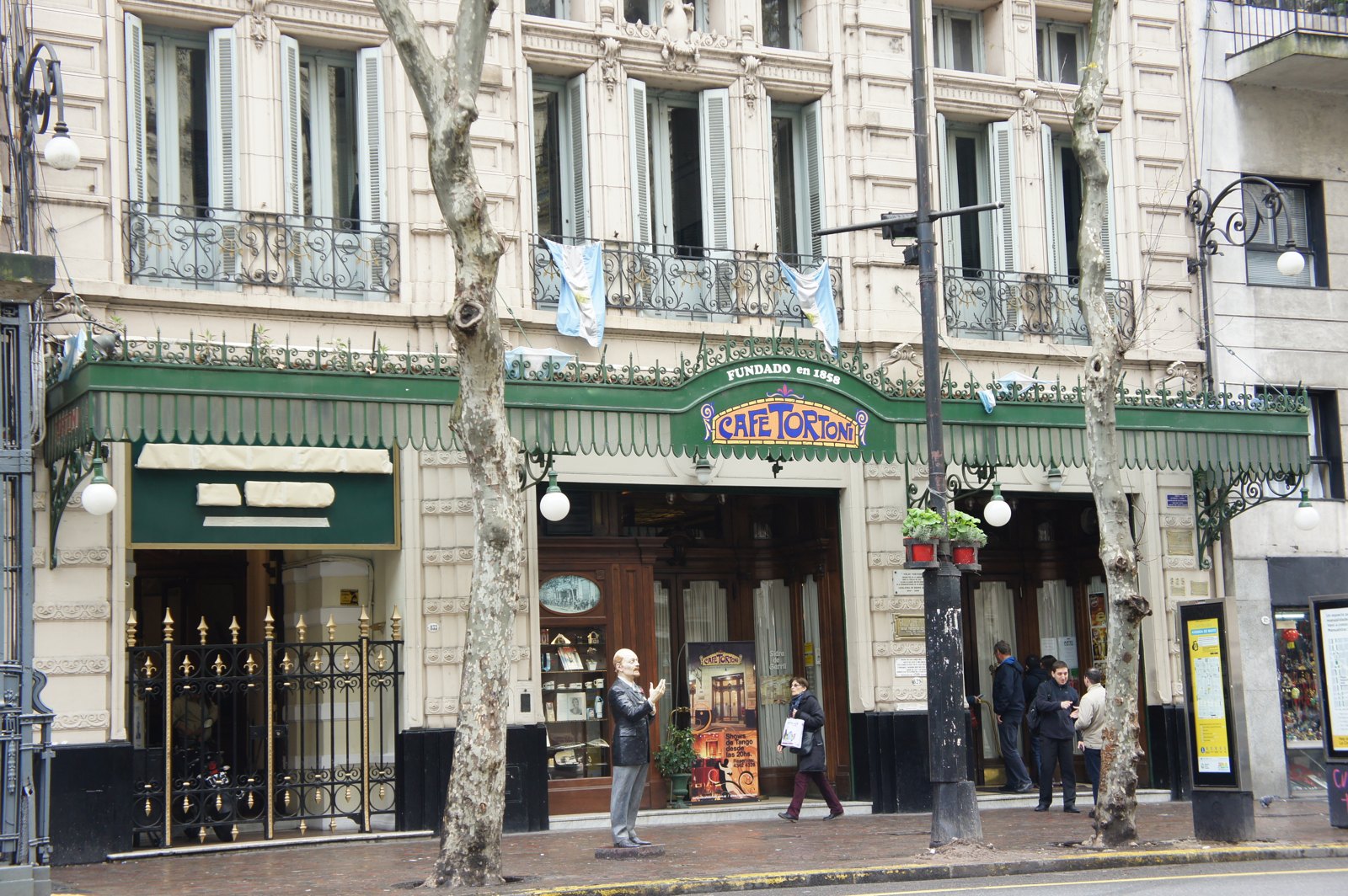
What Just Happened
The city’s Comisión de Protección y Promoción de los Cafés, Bares, Billares y Confiterías Notables reviewed each candidate. It used four criteria: age, architecture, cultural relevance, and neighborhood history.
The 12 newcomers passed. Among them, Bar Portuario at Pinzón 102 and Boca a Boca at Av.
Benito Pérez Galdós 207 anchor the La Boca additions. In Recoleta, Josephina’s Café at Guido 1532 joins the list.
The other nine round out the round. They are Bar Conde, Café Rivas, Confitería El Greco, La Escuela, La Orquídea, Plaza Café, Vía 71, La Ópera, and Café Cortázar.
This is not a Michelin-style ranking. There are no stars, no tasting menus, no dress codes.
The designation is a heritage label. It means the city considers these places worth preserving for their role in the social fabric.
For you, the practical effect is simple. You now have a longer, officially sanctioned list of places.
You can sit for an hour with a coffee and a book. Nobody will rush you.
How the Program Works
The commission evaluates each venue’s antigüedad (age), its architecture, its cultural relevance, and its historia/arraigo barrial. That means the deep roots a place has in its neighborhood.
Once approved, the bar becomes part of the city’s official cultural heritage circuit. It gets a plaque, a spot on municipal maps, and a place in promotional materials.
Those materials aim at visitors and locals alike.
For expats and digital nomads, the program is a gift. It turns bar-hopping into a low-cost, self-guided cultural activity.
You do not need a tour guide or a reservation. You just pick a neighborhood, pull up the Buenos Aires bars discovery map, and walk.
Each stop gives you a slice of porteño life that no coworking space can offer. You get the clack of billiard balls at a billar.
You get the marble counters of an old confitería. You get the quiet rhythm of regulars who have been coming for decades.
Why It Matters for You
Living in Latin America as an expat or nomad often means bouncing between airports, Airbnb check-ins, and coffee shops with reliable Wi-Fi. That is fine for work, but it can leave you feeling disconnected from the place you actually inhabit.
The Bares Notables program is an antidote. It gives you a reason to slow down.
You can sit in a room where the ceiling moldings are older than your passport. You can practice your Spanish with a waiter who has seen a thousand tourists.
He still remembers your order.
There is also a practical layer. Buenos Aires is a city where the cost of living fluctuates.
A night out can be expensive. These bars are not that.
A coffee at a notable bar typically runs AR$3,500–AR$5,000 (US$2.30–US$3.30). A beer might be AR$6,000–AR$8,000 (US$4–US$5.30).
For the price of a single cocktail in a trendy Palermo lounge, you can visit three heritage venues. You can soak in the atmosphere and still have change for a medialuna.
That is a rare deal in a city where prices shift weekly.
How to Plan Your Visit
Start with the two La Boca additions. Bar Portuario sits near the old docks, a working-class spot with a salty history.
Boca a Boca, a few blocks away, offers a more intimate setting. Both are walkable from Caminito.
You should go during daylight hours and keep your phone close. Then head to Recoleta for Josephina’s Café.
It is a quieter, more refined stop near the cemetery and the parks. The other nine venues are scattered across the city.
Check the official map and pick a cluster that fits your afternoon.
If you want to make a day of it, pair two or three venues with a walking route. Start with a late breakfast at one bar.
Have a mid-afternoon coffee at another. Finish with an evening beer at a third.
The city’s official map lists addresses and neighborhoods. You can plan without guesswork.
And remember: the designation is about heritage, not hype. Some of these places are plain, a little worn, and all the better for it.
That is the point.
Frequently Asked Questions
Do I need to pay to enter a Bar Notable?
No. There is no entry fee. You pay only for what you order.
A coffee or a beer is enough to sit and enjoy the space.
Are the new bars easy to reach by public transport?
Yes. La Boca venues are served by buses and the nearby La Boca area is walkable.
Recoleta is well connected by subway (Line D, Pueyrredón or Agüero stations) and multiple bus lines. Check the official map for exact routes.
What is the difference between a café, a bar, and a confitería?
A café focuses on coffee and light snacks. A bar serves alcohol and often has a social, late-night feel.
A confitería is a pastry-and-coffee shop with a more formal, old-fashioned atmosphere. All three qualify for the Bares Notables program.
Connected Coverage
Sources: La Nación, Perfil, Buenos Aires Ciudad
This article was produced by The Rio Times’ automated newsroom system. How we use AI · Report an error
Read More from The Rio Times