Atlantic Hurricane Season Is Unusually Quiet
A very strong El Niño tore storms apart before they could grow, leaving the Atlantic with one hurricane.

Weather: Atlantic and Caribbean
The 2026 Atlantic hurricane season has produced only one hurricane, the fewest since 1925, according to a Colorado State University (CSU) report released on Thursday 19 November 2026 and relayed by Metro Puerto Rico, a news outlet on the US territory. CSU, a leading US centre for seasonal storm forecasts, calls it the quietest season in more than a century on that measure.
For Florida, the Gulf Coast and the Caribbean, including the US territory of Puerto Rico, that means a rare year of limited storm damage. The season officially ends on Monday 30 November 2026, so the final count can still change.
Key Facts
- Who. Colorado State University (CSU) hurricane forecasters, including researcher Phil Klotzbach.
- What. Ten named storms but only one hurricane, Isaias, the fewest since 1925; it landed near Destin, Florida.
- When. CSU update of Thursday 19 November 2026; the season ends Monday 30 November 2026.
- Prediction markets: Polymarket, a US betting market, prices 1 to 3 hurricanes in 2026 at 98.9% (US$77,858 traded).
- As of. 20 November 2026, 09:00 GMT
A very strong El Niño tore storms apart before they could grow, leaving the Atlantic with one hurricane.
Of ten named storms this season, only Isaias reached hurricane strength, peaking as a Category 3 major hurricane in the Gulf before weakening to Category 2 at landfall near Destin, Florida. The other nine, Arthur, Bertha, Cristobal, Dolly, Edouard, Fay, Gonzalo, Hanna and Josephine, never became hurricanes.
Isaias was the season’s only major hurricane, meaning Category 3 or higher. An average season brings 14 named storms, 7 hurricanes and 3 major hurricanes, so 2026 falls short on all three counts.
Only 1 of the 10 named storms, or 10%, became a hurricane. CSU puts the count at the lowest since 1925, as relayed by Metro Puerto Rico, though records from before routine satellite coverage are less certain.
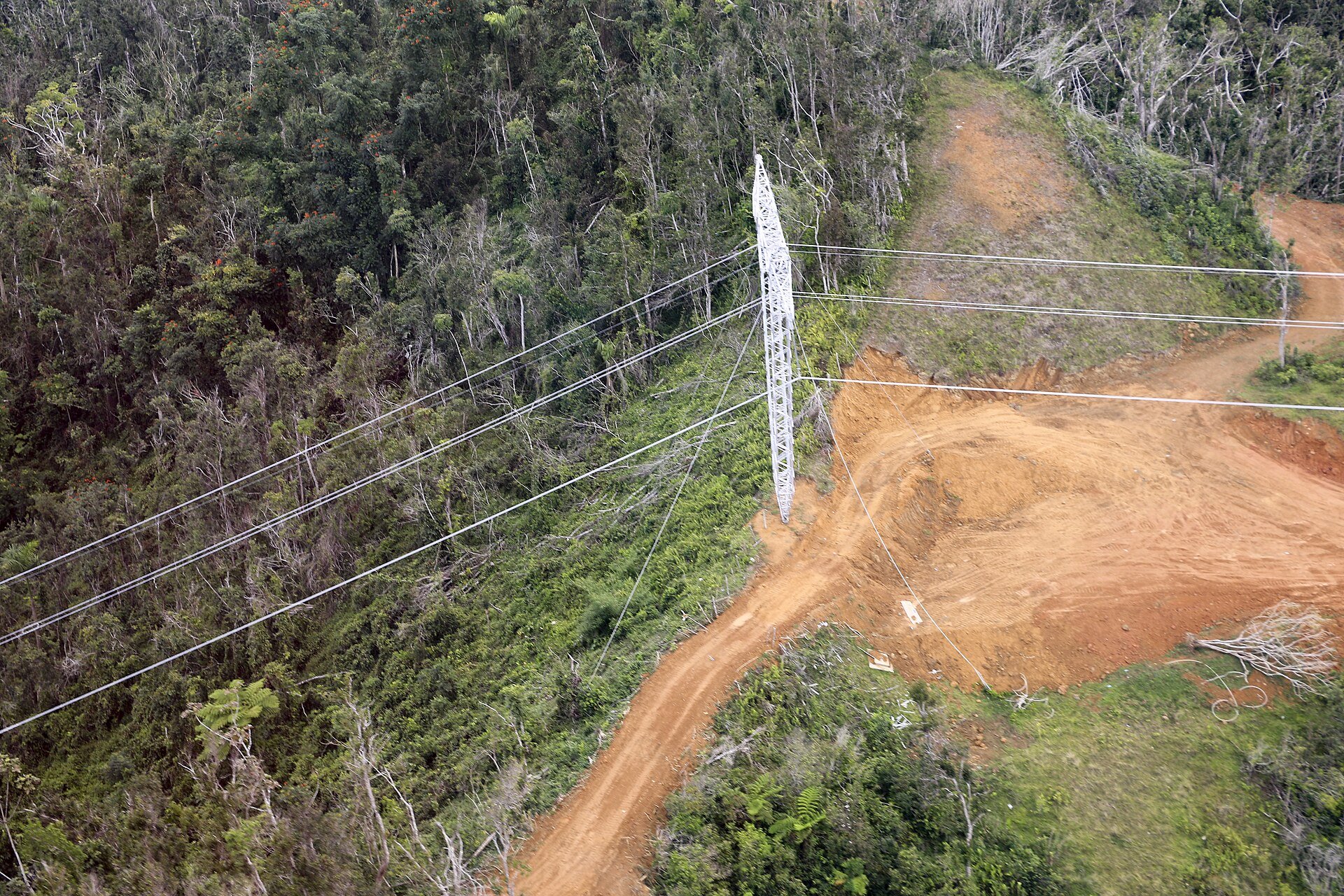
The main cause, according to CSU, was a very strong El Niño, a warming of the central Pacific Ocean that changes weather around the world. It produced record vertical wind shear over the tropical Atlantic and Caribbean, meaning winds that change strongly with height and tear storms apart.
CSU’s April and June forecasts overestimated activity, said Phil Klotzbach, a CSU hurricane researcher. CSU forecasters did not expect a season this quiet.
For US readers the lesson concerns risk rather than safety. Isaias still came ashore on the Florida coast near Destin, and one landfall is enough to matter to homeowners, insurers and travellers.
Puerto Rico, a US territory, and the wider Caribbean also watch the Atlantic closely, and a season with only one hurricane against an average of 7 is a lucky one. A quiet year says little about the next, because the El Niño that suppressed storms this year is a temporary pattern.
It is not yet known how the insurance and reinsurance markets, which spread storm losses among insurers, will react to such a light season. The final CSU count will come only after the season closes on 30 November.
What Prediction Markets Say
Polymarket, a prediction market where users bet real money, prices a 2026 total of 1 to 3 Atlantic hurricanes at 98.9% and 4 to 6 at 1.1%, with US$77,858 traded as of 20 November 2026, 3:57 a.m. ET. These are bets, not forecasts by CSU or the US weather service.
Why we show this: prediction markets turn real-money bets into a live probability that moves within minutes of the news, which is why investors, campaigns and newsrooms in the United States now follow them closely. We show them next to polls and official results, never instead of them.
Frequently Asked Questions
Does a quiet season mean the Atlantic is safer in future?
No. The calm came from a temporary El Niño pattern, so it says little about coming years.
What is wind shear and why did it matter this year?
Wind shear is a sharp change in wind with height, which tears young storms apart. Record shear stopped most storms from growing into hurricanes.
Is the season over?
Officially it ends on 30 November, so counts could still change until then. CSU will publish its final tally afterwards.
Sources
Colorado State University tropical weather and climate research · National Hurricane Center · Metro Puerto Rico
Connected Coverage
Puerto Rico news · Atlantic Is Quiet After Hurricane Isaias · Jamaica Hurricane Aid Auditors Cannot Verify · Latin America Power Map
This article was produced by The Rio Times’ automated AI newsroom. Editorial responsibility: Matthias Camenzind, Publisher and Editor-in-Chief. The Rio Times also runs Ask Rio Times, which answers from 100,000+ of our own articles, the daily Latin America Power Map, and prediction-market odds on elections and markets.. How we use AI · Report an error