Philippines Undersea Cable Security Faces a Taiwan Test
PHILIPPINES · ANALYSIS
Key Facts
- —What is happening Manila is exploring practical undersea-cable security cooperation with Taiwan while keeping its one-China policy, after the Philippine Coast Guard challenged a Chinese research ship near Batanes in October 2026.
- —Why it matters Undersea cables carry nearly all intercontinental data, so any disruption near the Bashi Channel could hit banking, cloud services, and US-Asia corporate networks.
- —The numbers On 1 October the Philippine Coast Guard deployed the 97-metre BRP Teresa Magbanua, its largest vessel, together with an aircraft.
- —Who is who Felipe F. Cariño III floated the Taiwan cooperation.
- —What to watch Whether Manila and Taipei move from knowledge-sharing to joint patrols or cable-repair coordination, and how Beijing responds in the Bashi Channel.
- —What it means for you US investors and tech firms should treat Philippine undersea cable security as a Pacific data-resilience risk, not a distant maritime dispute.
Philippines undersea cable security is moving from a technical issue to a geopolitical one. Manila is weighing practical cooperation with Taiwan after a Chinese research ship loitered near cable corridors off Batanes, and the decision carries direct costs for US data links and alliance credibility.
The Philippines sits astride some of the most important submarine cable corridors in the western Pacific, where commercial data traffic between Asia and North America converges with military and intelligence networks. This analysis explains why a confrontation near Batanes in October 2026 has pushed Manila toward a delicate balancing act, as reported in the Asia Intelligence Brief.
Why Subsea Cables Are Now Strategic Infrastructure
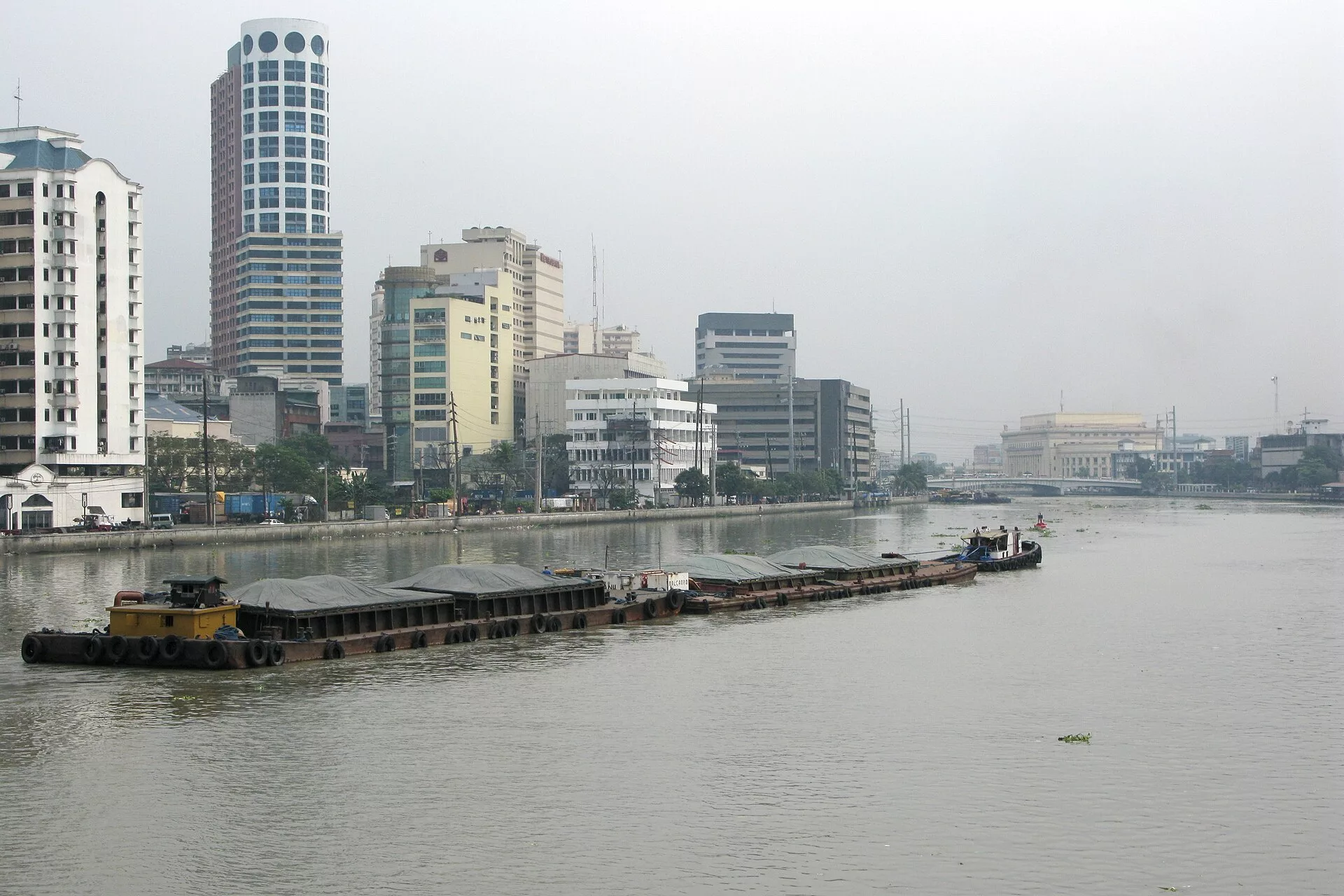
Submarine fibre-optic cables carry nearly all intercontinental digital communications, including internet traffic, cloud services, financial transactions, government communications, and corporate data. For the Philippines, an archipelago heavily dependent on international connectivity, a cable outage could affect banking, remittances, e-commerce, business-process outsourcing, public services, and military communications simultaneously.
The economic risk is not limited to a complete severing. Damage to one cable can force traffic onto alternative routes, increasing latency and reducing resilience; multiple disruptions can create bottlenecks or isolate islands and regional markets.
This matters to foreign investors because data connectivity is now core infrastructure alongside ports, electricity, and telecommunications towers. The Bashi Channel and Luzon Strait are strategically important because they sit between Taiwan, northern Luzon, and the wider western Pacific, with several submarine cable corridors passing through or near the area.
Those routes form part of the communications architecture connecting Asian economies to international systems that ultimately link Asia with North America and the Americas. Cable geography therefore has a dual character: commercial cables connect data centres, cloud platforms, financial institutions, telecom operators, and technology companies, while the same infrastructure supports government, defence, intelligence, logistics, and crisis communications.
The Batanes Incident and What It Revealed
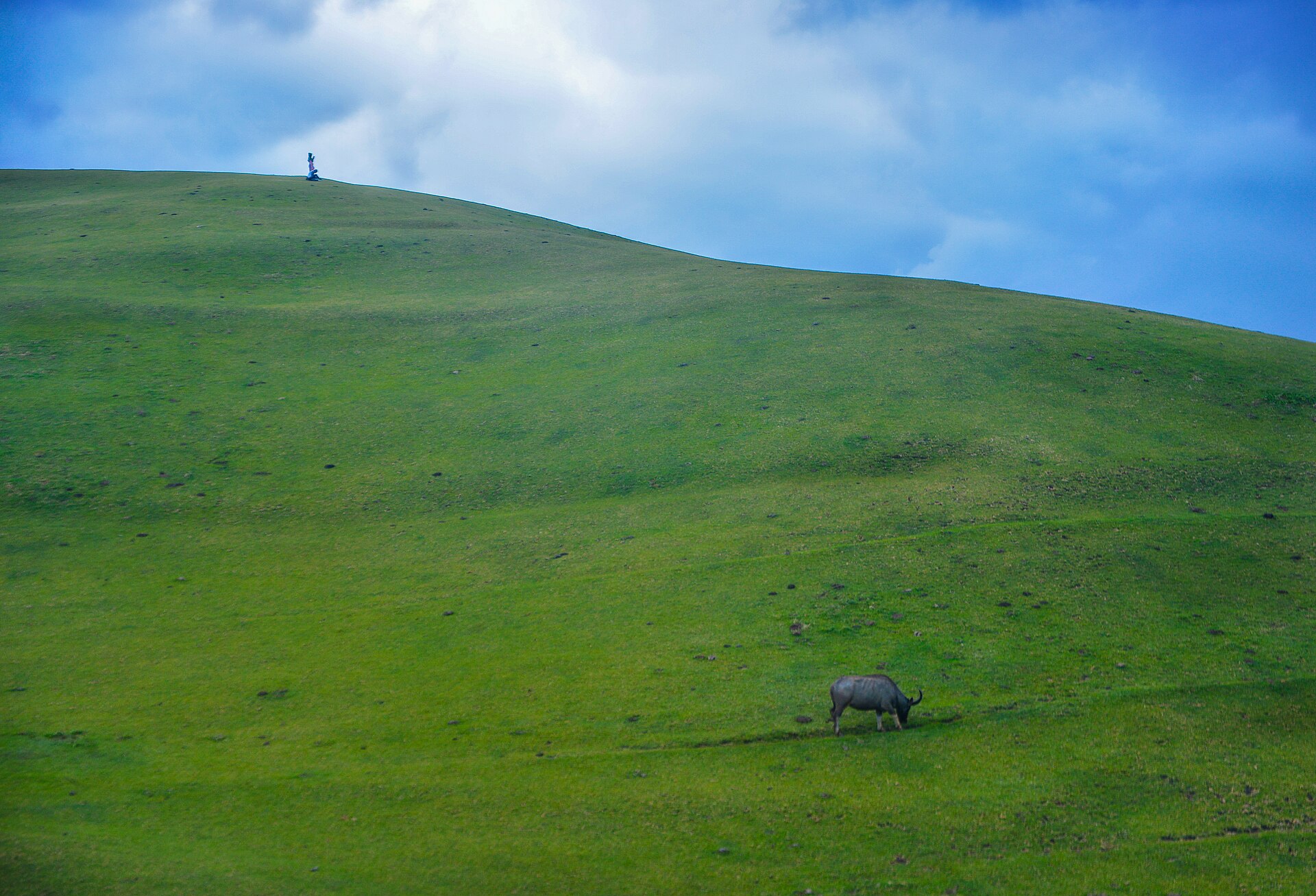
The Philippine Coast Guard said it monitored the Chinese-flagged research vessel Jia Hai Ke 7 from September 28, 2026, after it remained approximately 37 nautical miles northwest of Itbayat, Batanes. The Department of Foreign Affairs said the vessel was inside the Philippine exclusive economic zone.
On October 1, the Coast Guard deployed the 97-metre BRP Teresa Magbanua, its largest vessel, together with an aircraft. The Philippine side said it repeatedly challenged the research ship, which then left its loitering position and moved north.
Philippine officials also raised concerns that the vessel was transmitting false automatic-identification-system information, or spoofing, while operating near an undersea cable corridor. The Coast Guard questioned why a privately owned survey ship was operating there and why a China Coast Guard vessel arrived to shield it.
A survey vessel can collect ordinary marine, seabed, or hydrographic data, but the same information may also help identify cable locations, seabed conditions, repair constraints, and approaches useful for intelligence or wartime disruption.
That sequence heightened concern that the activity might be systematic rather than incidental.
The One-China Constraint and the Taiwan Option
The Philippines officially follows a one-China policy. Yet Manila’s diplomat Felipe F. Cariño III has indicated that the Philippines is considering working with Taiwan on shared interests in the Bashi Channel, notwithstanding that policy.
Possible areas mentioned included maritime-domain awareness, information sharing on suspicious vessels, protection and monitoring of cable routes, coordinated responses to gray-zone activity, accountability for vessels that damage or disrupt communications infrastructure, and potentially joint patrols or related operational measures.
For Manila, the wording matters. That allows the Philippines to protect practical interests without formally abandoning its one-China policy.
What Manila Is Risking
Closer operational contact with Taiwan could trigger diplomatic protests, economic pressure, maritime harassment, or more aggressive Chinese coast-guard and research activity. Beijing is likely to treat cooperation near the Bashi Channel as strategically relevant even if Manila describes it as cable protection.
The risk is asymmetric: the Philippines needs Chinese trade and must manage disputes in the South China Sea, while China has greater capacity to impose sustained pressure through state vessels, commercial leverage, and information campaigns.
The BRP Teresa Magbanua approached Jia Hai Ke 7 at less than 100 yards and launched a rigid-hull inflatable boat while issuing repeated radio challenges.
A future encounter involving a cable ship, survey vessel, or coast-guard escort could produce collision, injury, detention, or a miscalculation. If Taiwan-linked personnel or joint patrols were visibly involved, Beijing could portray the activity as a military alignment rather than infrastructure protection.
The US Angle and Pacific Data Resilience
The United States has three overlapping interests. First, alliance credibility: helping Manila protect maritime infrastructure supports the broader US objective of deterring coercion without forcing every incident into a military crisis.
Second, Pacific data resilience: trans-Pacific cables carry enormous volumes of commercial and government data between Asia and North America. The Luzon Strait and Bashi Channel are not the only routes linking the continents, but their position affects redundancy and regional network design.
Third, US technology and cloud infrastructure: American technology companies depend on reliable submarine cable capacity to serve Asian customers. Cable security is therefore both a national-security concern and a commercial issue involving cloud computing, content delivery, finance, artificial intelligence, and enterprise networks.
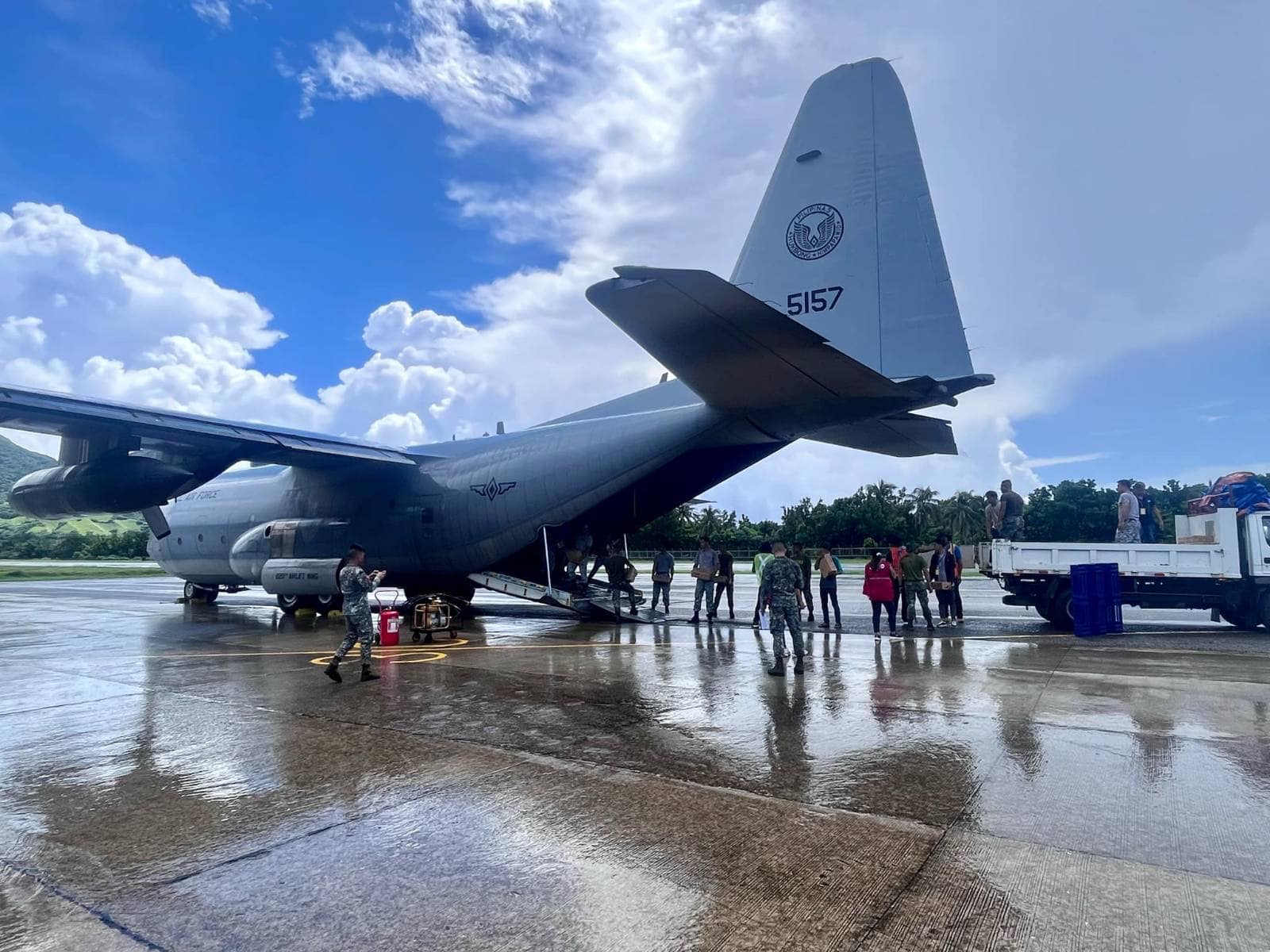
The United States can assist through coast-guard cooperation, maritime-domain awareness, cable mapping, repair capacity, and information sharing. That approach would be less escalatory than publicly treating every cable incident as a military confrontation.
The Economic and Business Stakes
Undersea cables are difficult and expensive to repair. A major disruption could create outages, raise insurance and redundancy costs, delay digital services, and weaken confidence in the Philippines as a location for data-intensive investment.
The most serious scenario would be a pattern of ambiguous incidents: survey ships near cable corridors, unexplained AIS irregularities, anchor damage, repeated outages, and competing claims over responsibility. Even without an open conflict, investors could interpret this as a higher political-risk premium for Philippine connectivity and northern Luzon infrastructure.
Scenarios: What Could Stabilise or Tip the Situation
A stabilising scenario would involve clearer rules for marine research in the Philippine exclusive economic zone, stronger Coast Guard and maritime-surveillance capacity, protected and redundant cable routes, rapid cable-repair agreements, and information sharing with Taiwan without formal recognition. Coordination with the United States and other cable-owning states, public evidence releases when suspicious activity occurs, and diplomatic channels to prevent close encounters from becoming crises would also help.
A tipping scenario would involve a future encounter producing collision, injury, detention, or miscalculation. If Taiwan-linked personnel or joint patrols were visibly involved, Beijing could portray the activity as a military alignment rather than infrastructure protection, triggering diplomatic protests, economic pressure, or more aggressive maritime activity.
The key test will be whether Manila can build practical cooperation without allowing Beijing to define every cable-security measure as a political or military alignment with Taiwan. The Batanes incident shows why the issue has moved beyond telecommunications: in the western Pacific, a cable corridor can also be a sovereignty line, an intelligence target, and a potential fault line in the US-China rivalry.
What It Means for You
For US investors, executives, and policy readers, Philippine undersea cable security is a direct exposure to Pacific data resilience. A disruption near the Bashi Channel could affect not only Philippine users but also traffic flows, redundancy planning, cloud availability, and corporate networks serving customers throughout East and Southeast Asia.
American technology companies depend on reliable submarine cable capacity to serve Asian customers. Cable security is therefore both a national-security concern and a commercial issue involving cloud computing, content delivery, finance, artificial intelligence, and enterprise networks.
The practical consequence is that US firms with Asian data dependencies should review their cable-route redundancy assumptions. The Batanes incident shows that even ambiguous maritime activity can create political-risk premiums for connectivity infrastructure.
What Is Not Known
The exact purpose of the Jia Hai Ke 7’s activity remains unproven. An independent assessment noted that available tracking data could not conclusively verify deliberate spoofing.
It is also not known whether Manila and Taipei will move from knowledge-sharing to joint patrols or cable-repair coordination, and how Beijing will respond in the Bashi Channel.
What to Watch
Philippine–Taiwan discussions may develop into additional knowledge-sharing, capacity building, maritime surveillance, or other gray-zone cooperation.
Related reading: Italy Sends 500 Troops to Milan Under New Decree; Alcolumbre Security PEC Next Steps and Signals to Watch; Brazil Security PEC Explained: Criminal Age Impasse; more from Security.
Frequently Asked Questions
Why do undersea cables matter for the Philippines?
Undersea cables carry nearly all intercontinental data flows, including banking, remittances, e-commerce, business-process outsourcing, public services, and military communications. For the Philippines, an archipelago dependent on international connectivity, a cable outage could affect all of these simultaneously.
What happened near Batanes in October 2026?
The Philippine Coast Guard challenged the Chinese-flagged research vessel Jia Hai Ke 7, which had been loitering approximately 37 nautical miles northwest of Itbayat, Batanes, inside the Philippine exclusive economic zone. The Coast Guard deployed its largest vessel, the BRP Teresa Magbanua, and an aircraft, and the research ship eventually moved north.
Is the Philippines abandoning its one-China policy?
No. Manila continues to recognise Beijing rather than Taipei under its one-China policy. The proposed cooperation with Taiwan is framed as technical, maritime, or infrastructure security rather than diplomatic recognition.
What should US investors watch next?
US investors should watch whether Manila and Taipei move from knowledge-sharing to joint patrols or cable-repair coordination, and how Beijing responds in the Bashi Channel.
How did the Philippine Coast Guard respond near Batanes?
On 1 October the Coast Guard deployed the 97-metre BRP Teresa Magbanua, its largest vessel, together with an aircraft. The Chinese research ship eventually moved north.
Sources: riotimesonline.com, taipeitimes.com, philstar.com, taiwannews.com.tw, ntd.com, usnews.com. Retrieved 22 October 2026.
This article was produced by The Rio Times’ automated newsroom system. How we use AI · Report an error · Editorial responsibility: Matthias Camenzind, Editor-in-Chief