Argentina’s Senate Takes Up the Central Bank Charter on 17 September
ARGENTINA · CONGRESS
Key Facts
- —The session The Senate is set to sit on Thursday 17 September 2026.
- —Bill one A reform of the central bank charter, passed by the Chamber of Deputies on 27 August by 144 to 102 with 9 abstentions.
- —Bill two Inocencia Fiscal II, passed the same day by 139 to 110 with 2 abstentions.
- —Where they stand Committee reports were signed on 9 and 10 September.
- —Also on the agenda Biofuel blending increases, transfer of criminal jurisdiction to the city of Buenos Aires and two judicial appointments.
- —What we do not state No bill numbers have been published. The Rio Times does not invent one.
One bill rewrites what the central bank is for. The other rewrites what the tax authority may assume. Both arrive on the same afternoon.
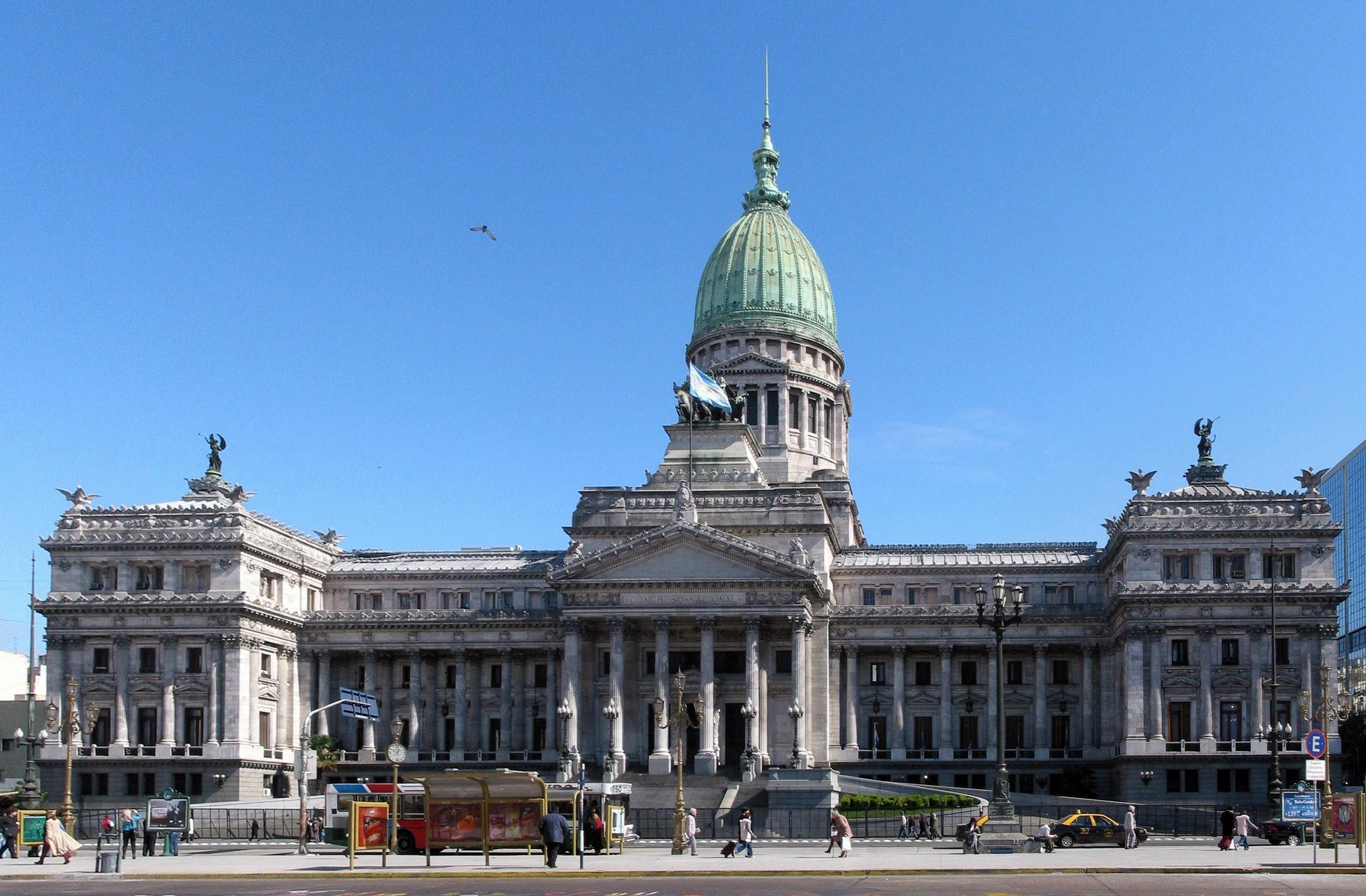
Argentina’s Senate is expected to sit on Thursday 17 September to vote on a rewrite of the central bank charter and on the second Fiscal Innocence bill, both of which cleared the Chamber of Deputies on 27 August.
What the Central Bank Reform Does
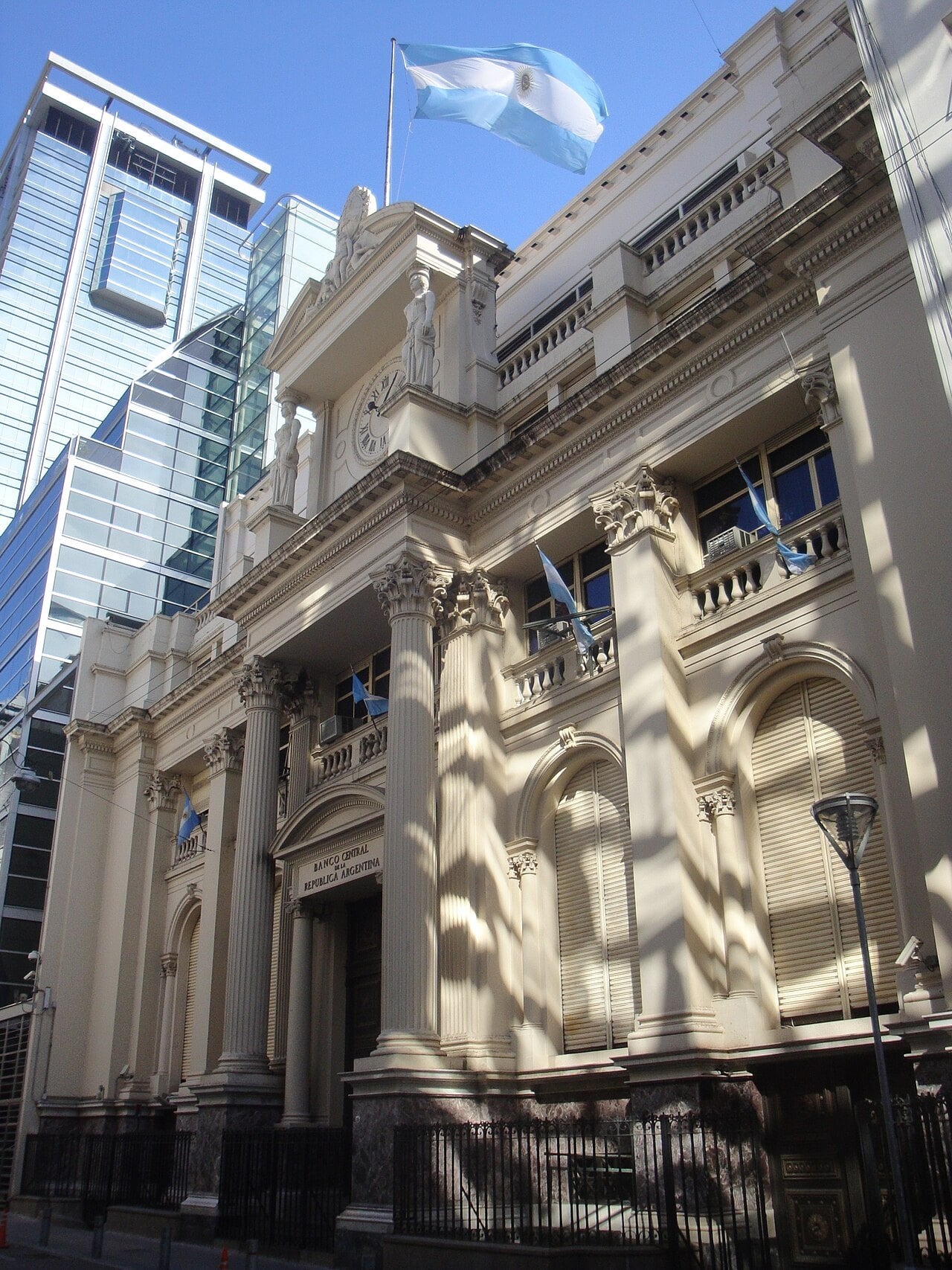
The bill redefines the central bank’s mandate as preserving the value of the currency, removing the multiple-objective language introduced in the 2012 amendment that also charged it with employment and development goals.
It bans financing of the Treasury, requires a two-thirds congressional majority to remove members of the board, and phases out the two instruments through which the bank has historically funded the government: adelantos transitorios, temporary advances, and letras intransferibles, non-transferable notes issued to the bank in exchange for reserves.
Those last two provisions are the operative ones. A single-mandate central bank that may still lend to the Treasury is a single-mandate central bank on paper only.
What Inocencia Fiscal II Does
The bill creates a simplified income-tax declaration regime and removes the caps in the current version, which limit the benefit to declared income of around one billion pesos and assets of around ten billion.
It retains a presumption that declarations are accurate, excludes large taxpayers and certain public officials from the full benefit, and requires transactions to run through the banking or securities system. Special provisions allow cash in real-estate transactions until 31 December 2027.
The name describes the intent. The regime is designed to reduce the assumption of guilt that has characterised Argentine tax administration, in exchange for transactions moving through traceable channels.
Where the Bills Stand
Both passed the Chamber of Deputies on 27 August. The central bank reform carried 144 to 102 with 9 abstentions; Inocencia Fiscal II carried 139 to 110 with 2 abstentions.
The Senate held committee hearings with outside experts on 9 September and signed committee reports on 9 and 10 September. The central bank bill went through the economy and budget committees; the fiscal bill through budget, general legislation and regional economies.
Inocencia Fiscal II was briefly one signature short before its report was completed on 10 September, which is an indication of how narrow the majorities are.
The Rest of the Session
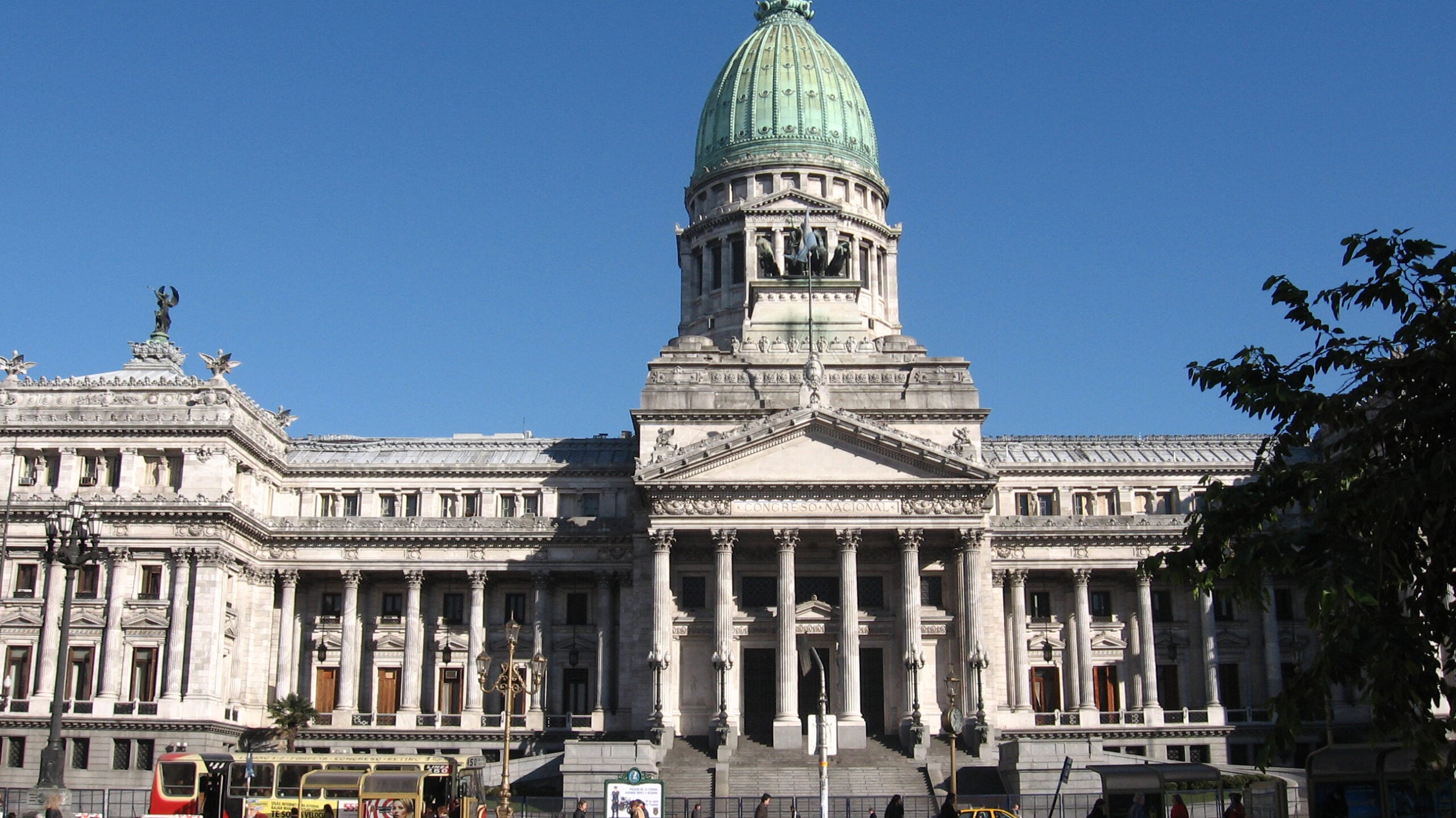
The same sitting is expected to cover an increase in biofuel blending, taking bioethanol from 12% to 15% and biodiesel from 7.5% to 10%, the transfer of criminal jurisdiction to the autonomous city of Buenos Aires, and two judicial appointments.
Grouping several measures into one session is how the governing coalition has handled a Senate where it does not command a majority on its own, and it raises the cost to any bloc of withholding support.
What Is Not Established
No expediente numbers for either bill have been published in accessible reporting, and The Rio Times does not state one.
Nor is the outcome settled. Committee reports establish that the bills can be debated on the floor, not that the votes are there, and the deputies’ margins were narrow enough that the Senate arithmetic will be tested.
More: Argentina news in English, every day from The Rio Times.
Frequently Asked Questions
When does the Senate sit?
Thursday 17 September 2026 is the expected date.
What does the central bank reform change?
It redefines the mandate as preserving the currency’s value, bans Treasury financing and phases out temporary advances and non-transferable notes.
What is Inocencia Fiscal II?
A simplified income-tax declaration regime that removes the current income and asset caps and keeps a presumption of accuracy.
Have the bills passed the lower house?
Yes, both on 27 August 2026, by 144–102 and 139–110.
What else is on the agenda?
Biofuel blending increases, transfer of criminal jurisdiction to Buenos Aires city and two judicial appointments.
Sources: Parlamentario, El Cronista, Neuquén Post.
This article was produced by The Rio Times’ automated newsroom system. How we use AI · Report an error
In depth
Read More from The Rio Times