Argentina Moves to Bar Its Own Officials From the ‘Inocencia Fiscal II’ Tax Deal
Argentina · Economy
Key Facts
- —The bill ‘Inocencia Fiscal II’ would expand a simplified regime letting Argentines formalize undeclared savings.
- —The twist On August 11, the government moved to exclude public officials from the plan’s main benefits.
- —Why Lawmakers objected to letting officials profit, and the government needs their votes to pass it.
- —The target The scheme aims at the famous ‘dólares del colchón’, the dollars Argentines keep at home, off the books.
- —The status It is a bill under debate in the Chamber of Deputies, not yet law.
The government wants Argentines to bring their hidden savings into the open. To pass the law, it is promising that politicians won’t be allowed to cash in.
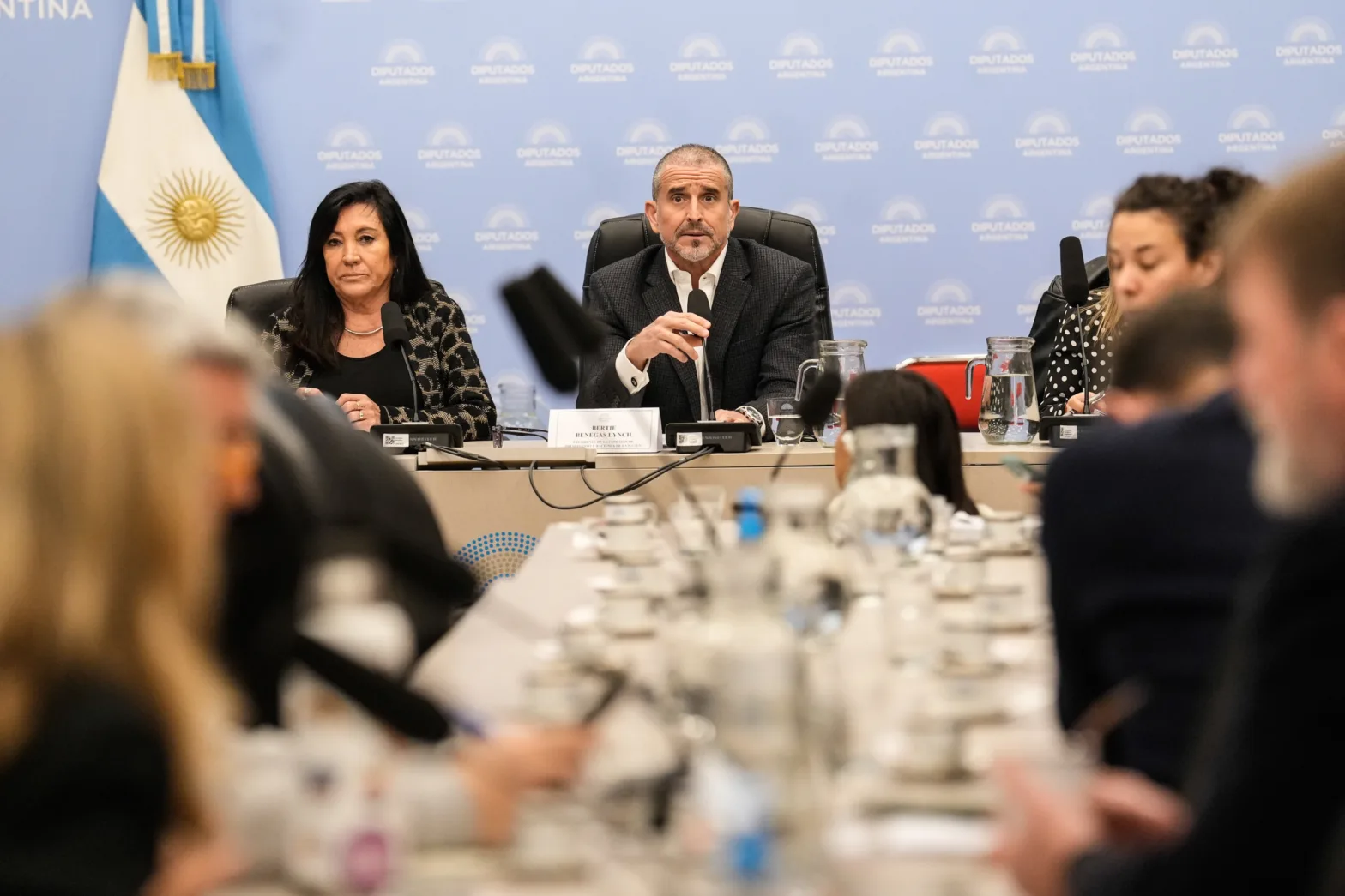
Argentina’s ‘Inocencia Fiscal II’ bill aims to coax hidden dollars into the open, the savings Argentines famously keep under the mattress. This week it added a pointed condition: politicians need not apply.
The money hiding in plain sight
Because decades of crises burned savers, Argentines learned to trust the dollar, not the peso, and keep it close. As a result, a vast pool of undeclared savings sits in cash, at home or abroad, outside the formal economy.
Argentines even have a nickname for it, the ‘dólares del colchón’, the mattress dollars. Still, getting them into the banking system is a long-standing government dream.
What Inocencia Fiscal II tries to do
The Inocencia Fiscal II bill is the government’s latest attempt to solve that puzzle. In addition, it would expand a simplified tax-compliance regime.
For example, people could declare hidden money with fewer questions and lighter penalties than usual. Tied to the income-tax system, it offers a smoother path to bring undeclared funds into the legal economy.
Why a country would forgive tax sins
On the surface, letting people off lightly for hiding money seems unfair. However, the logic is pragmatic.
Money sitting idle under mattresses does nothing for the economy. Meanwhile, in bank accounts it can be lent, spent and taxed.
For a government starved of resources, unlocking that pool is worth the compromise of a partial amnesty.
The catch the government just added
The plan hit a political snag, and the fix is telling. On August 11, the government moved to exclude public officials from the main benefits.
The proposed carve-out targets officials across the three branches of government, and politically exposed people more broadly. In other words, the very people writing and enforcing the law would be barred from using its perks.
It is a rare case of a government voluntarily narrowing who can use its own incentive, to protect the plan’s legitimacy.
Why exclude the powerful
The exclusion is not idealism; it is arithmetic. In fact, allied and opposition lawmakers objected to letting officials benefit.
Allowing politicians to legitimize hidden fortunes through their own law is a hard sell to voters. As a result, ring-fencing officials could defuse that criticism and win the votes it needs.
A bill, not yet a law
It is important to be precise about where things stand. This is a proposal moving through the Chamber of Deputies.
Changes were still being negotiated ahead of the committee’s formal recommendation, its dictamen. Nothing is final until Congress votes.
Meanwhile, the exclusion of officials is a bargaining chip as much as a principle.
Part of a bigger reform drive
The bill does not stand alone. Instead, it fits a broader government push to formalize the economy and rebuild confidence.
The strategy leans on drawing hidden activity into the open, where it can be taxed and tracked. Coaxing out the mattress dollars is one front in that campaign, alongside efforts to steady the peso and cut red tape.
Why the dollars matter so much
There is a hard reason the government cares about buried savings. Argentina is chronically short of foreign reserves.
Every dollar that enters the formal system strengthens the country’s financial cushion, however slightly. Multiply that across millions of savers, and the potential impact on reserves and lending is significant.
The economics behind the politics
Behind the manoeuvring sits a real economic goal. Argentina needs dollars, and it needs a bigger tax base.
Formalizing hidden savings could, in theory, do both, adding money to banks and taxpayers to the rolls. Overall, it fits a wider effort to stabilize the economy by drawing activity out of the shadows.
Why amnesties are a gamble
Tax amnesties are a familiar tool, and a controversial one. Done well, they raise revenue and widen the net.
Done badly, they teach people that hiding money pays, since forgiveness always seems to come around. The design details, who qualifies and on what terms, decide which outcome a country gets.
A test of credibility
For the government, this is partly about trust. Argentines will only surface their savings if they believe the rules will hold.
A history of shifting policies makes them wary. Since memories run deep, every amnesty must overcome the last reversal.
Excluding officials is also a signal: that this scheme is about the economy, not about enriching insiders.
What to watch next
The immediate question is whether the bill clears its committee and reaches a vote. After that comes the harder test: whether ordinary Argentines trust it enough to declare their hidden dollars.
A law is only as good as the behaviour it changes, and here behaviour is shaped by decades of caution.
More: Latin America news in English, every day from The Rio Times.
Frequently Asked Questions
What is ‘Inocencia Fiscal II’?
It is an Argentine bill to expand a simplified regime that lets people formalize undeclared savings with lighter penalties. Tied to the income-tax system.
What are the ‘dólares del colchón’?
It is a nickname for the dollars Argentines keep at home, off the books. A legacy of repeated economic crises and distrust of the peso.
What changed on August 11?
The government moved to exclude public officials, across the three branches and politically exposed people, from the plan’s main benefits.
Why exclude officials?
Lawmakers objected to letting politicians benefit from their own amnesty. The government needs their votes, so it offered the carve-out.
Is it law yet?
No. It is a bill under debate in the Chamber of Deputies, with terms still being negotiated before any vote.
Connected Coverage
Sources: Infobae; TN; Perfil; Noticias Argentinas.
This article was produced by The Rio Times’ automated newsroom system. How we use AI · Report an error
LatAm Markets: Live Signals → — real-time movers, turnover leaders and FX across Latin America.
Read More from The Rio Times