IBOV 205,082.56 ▲ 0.47% IPSA 10,746.36 ▼ 0.31% IPC MEX 69,879.62 ▼ 0.01% MERVAL 3,017,221 — — COLCAP 2,540.10 ▲ 0.46% BVL PERÚ 57,021.19 ▲ 0.13% USD/BRL4.97▼ 0.25% USD/MXN18.70▲ 0.14% USD/CLP994.76— 0.00% USD/COP3,154▲ 0.76% USD/PEN3.43▼ 0.64% USD/ARS1,529▼ 0.02% USD/UYU40.08— 0.00% USD/PYG5,760— 0.00% USD/BOB11.78— 0.00% USD/DOP61.01▼ 0.18% USD/CRC452.44— 0.00% USD/GTQ7.64— 0.00% USD/HNL26.87— 0.00% USD/NIO36.62— 0.00% USD/VES885.08▼ 0.13% USD/PAB1.00— 0.00% USD/BZD2.00— 0.00% USD/JMD 157.28 — 0.00% USD/TTD6.72— 0.00% EUR/BRL5.57▼ 0.73% BRENT 88.88 ▼ 0.03% WTI 83.11 ▼ 0.11% IRON ORE 161.91 — — COPPER 6.61 ▲ 0.03% GOLD 4,461 ▲ 1.78% SILVER 65.59 ▲ 1.26% SOY 1,184 ▲ 3.20% CORN 480.50 ▲ 10.02% WHEAT 655.00 ▲ 3.93% COFFEE 317.25 ▼ 5.51% SUGAR 16.43 ▼ 1.79% ORANGE JUICE 138.55 ▼ 0.47% COTTON 85.03 ▲ 2.33% COCOA 5,719 ▲ 3.18% BEEF 223.60 ▼ 3.93% CATTLE 339.10 ▼ 3.16% LITHIUM 75.20 ▲ 1.47% PETR4 41.64 ▼ 0.05% VALE3 72.97 ▲ 0.83% ITUB4 38.60 ▼ 1.03% BBDC4 16.85 ▲ 0.36% ABEV3 14.89 ▼ 0.80% BBAS3 19.37 ▲ 0.47% B3SA3 14.26 ▼ 0.21% WEGE3 47.59 ▲ 0.49% PRIO3 59.14 ▼ 0.19% SUZB3 41.33 ▲ 2.35% RENT3 34.68 ▼ 0.09% AZZA3 15.89 ▼ 2.63% CSAN3 3.22 ▼ 1.83% RAIZ4 0.25 — 0.00% PCAR3 2.75 ▼ 0.36% GMAT3 3.65 ▼ 1.08% PSSA3 48.13 ▼ 0.54% CVCB3 1.33 ▼ 2.92% POSI3 3.36 ▲ 2.44% SLCE3 13.34 ▲ 0.30% NATU3 8.14 ▼ 0.73% IBOV 205,082.56 ▲ 0.47% IPSA 10,746.36 ▼ 0.31% IPC MEX 69,879.62 ▼ 0.01% MERVAL 3,017,221 — — COLCAP 2,540.10 ▲ 0.46% BVL PERÚ 57,021.19 ▲ 0.13% USD/BRL 5.16 ▲ 0.01% USD/MXN 17.06 ▼ 0.24% USD/CLP 913.98 ▲ 0.04% USD/COP 3,140 ▲ 0.03% USD/PEN 3.36 ▼ 0.66% USD/ARS 1,493 ▲ 0.10% USD/UYU 40.27 ▲ 1.24% USD/PYG 5,939 ▲ 1.68% USD/BOB 11.64 ▼ 0.76% USD/DOP 58.34 ▲ 1.25% USD/CRC 445.92 ▲ 0.89% USD/GTQ 7.62 ▲ 2.21% USD/HNL 26.79 ▲ 1.57% USD/NIO 36.62 ▲ 0.69% USD/VES 762.44 ▼ 0.13% USD/PAB 1.00 — 0.00% USD/BZD 2.00 — 0.00% USD/JMD 157.28 — 0.00% USD/TTD 6.70 ▲ 0.61% EUR/BRL 5.95 ▲ 1.01% BRENT 88.88 ▼ 0.03% WTI 83.11 ▼ 0.11% IRON ORE 161.91 — — COPPER 6.61 ▲ 0.03% GOLD 4,461 ▲ 1.78% SILVER 65.59 ▲ 1.26% SOY 1,184 ▲ 3.20% CORN 480.50 ▲ 10.02% WHEAT 655.00 ▲ 3.93% COFFEE 317.25 ▼ 5.51% SUGAR 16.43 ▼ 1.79% ORANGE JUICE 138.55 ▼ 0.47% COTTON 85.03 ▲ 2.33% COCOA 5,719 ▲ 3.18% BEEF 223.60 ▼ 3.93% CATTLE 339.10 ▼ 3.16% LITHIUM 75.20 ▲ 1.47% PETR4 41.64 ▼ 0.05% VALE3 72.97 ▲ 0.83% ITUB4 38.60 ▼ 1.03% BBDC4 16.85 ▲ 0.36% ABEV3 14.89 ▼ 0.80% BBAS3 19.37 ▲ 0.47% B3SA3 14.26 ▼ 0.21% WEGE3 47.59 ▲ 0.49% PRIO3 59.14 ▼ 0.19% SUZB3 41.33 ▲ 2.35% RENT3 34.68 ▼ 0.09% AZZA3 15.89 ▼ 2.63% CSAN3 3.22 ▼ 1.83% RAIZ4 0.25 — 0.00% PCAR3 2.75 ▼ 0.36% GMAT3 3.65 ▼ 1.08% PSSA3 48.13 ▼ 0.54% CVCB3 1.33 ▼ 2.92% POSI3 3.36 ▲ 2.44% SLCE3 13.34 ▲ 0.30% NATU3 8.14 ▼ 0.73%
since 2009
Monday, October 26, 2026

Africa Angola

Angola’s Privatization Success: Over $1 Billion Raised Since 2019

By · September 6, 2024 · 2 min read

Angola’s privatization efforts have yielded significant financial gains for the government since 2019.

The Privatization Programme (Propriv) has successfully raised 567 billion kwanzas (approximately $1.11 billion) through the sale of 96 (109) state-owned assets and companies.

The privatization initiative was launched in 2019 as part of a broader economic reform agenda under President João Lourenço’s administration.

The goal was to diversify Angola‘s economy away from its heavy reliance on oil and gas while creating a more inclusive, market-driven economy with an emphasis on private sector development.

Scope and Progress of Privatization

The Propriv program initially aimed to privatize 195 state-owned companies between 2019 and 2022, with 32 of them considered major national companies.
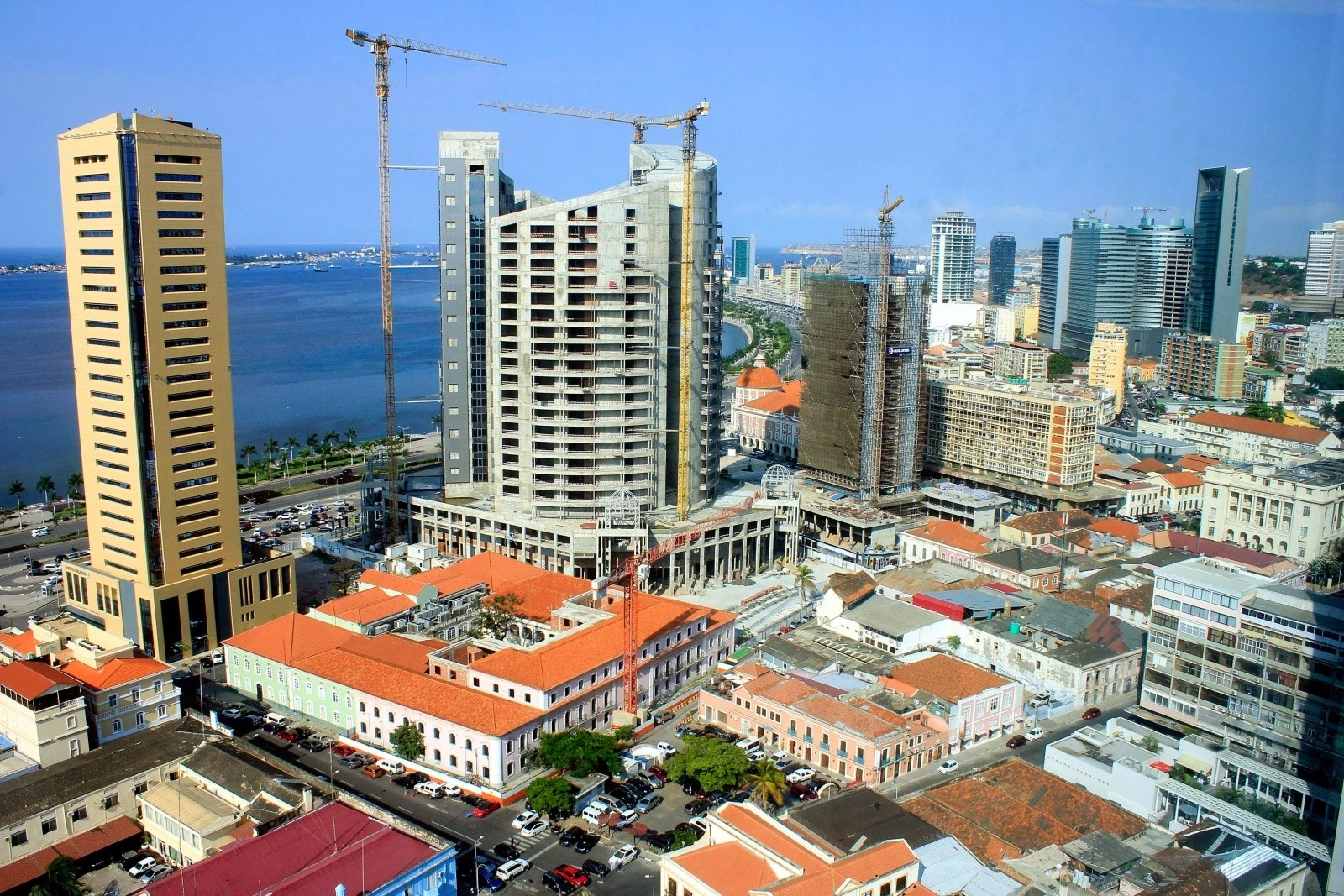
Angola's Privatization Success: Over $1 Billion Raised Since 2019
Angola’s Privatization Success: Over $1 Billion Raised Since 2019.
RT
Ask Rio Times
17 years of Latin America reporting, on demand.
Open the full Ask Rio Times →

By the end of this first phase, 96 companies were successfully privatized, raising $1.13 billion through various methods, including public tenders, auctions, and initial public offerings (IPOs).

Africa Intelligence

One email, every weekday morning. African markets, politics and business — filed from our newsroom in Rio.

Yesterday’s subject line: “US draft ends UN force in Western Sahara in 2027”

Free. We send a confirmation link first — nothing arrives until you click it. Unsubscribe with one click in any edition. If you stop opening us for 30 days we stop sending by ourselves, as we assume the interest is no longer there. See our privacy policy. We never share your email.

In May 2023, the government expanded the program, adding 73 additional assets and companies for privatization by 2026. This second phase includes plans to privatize significant entities such as:

  • ENSA – Seguros de Angola (insurance company)
  • Unitel and TV Cabo (telecommunications companies)
  • Angola Development Bank
  • TAAG (national airline)
  • Aldeia Nova (an agro-industrial company)
  • Endiama (diamond firm)
  • Sonangol (National Oil Company)

Economic Impact and Job Creation

The privatization efforts have had a positive impact on employment. The program has secured 2,747 jobs, of which 1,462 are new positions and 1,285 are previously existing roles.

International collaboration and investor confidence

Angola is carrying out its privatization program with support from the International Finance Corporation, a global development institution. This collaboration ensures quality certification and aims to reassure foreign investors.

Challenges and Future Outlook

While the privatization program has shown success, challenges remain. The state-owned enterprise sector’s financial performance was mixed in 2022, with about half of the SOEs registering losses.

The International Monetary Fund (IMF) has recommended accelerating the planned SOE privatizations to address these issues.

The government aims to finalize the privatization of 31 assets by Q4 2023 and is working on privatizing 11 Sonangol processes, with plans to exit the company by 2027.

Additionally, seven assets in the Luanda-Bengo Special Economic Zone are slated for privatization.

In conclusion, Angola’s privatization efforts since 2019 have generated significant revenue for the government.

These efforts are part of a broader strategy to diversify the economy, attract foreign investment, and promote private sector growth.

While challenges persist, the program’s expansion and continued implementation suggest a commitment to ongoing economic reforms in the country.

This article was produced by The Rio Times’ automated newsroom system. How we use AI · Report an error · Editorial responsibility: Matthias Camenzind, Editor-in-Chief

Part of our ongoing coverage

Africa: The New Scramble — the great-power contest over the continent.

More from Central Africa

Brazil runoff date: Sunday, October 25, poll closing times and when results start · Brazil runoff polls: Flávio 51%, Lula 49% · Kalshi and Polymarket odds

Rotate for Best Experience

This report is optimized for landscape viewing. Rotate your phone for the full experience.