From Coups to Courts: Guinea-Bissau’s New Democratic Crisis
On September 6, 2024, approximately sixty civil society leaders gathered at the House of Rights in Bissau for a vigil. The event was led by Bubacar Turé, head of the Guinean League for Human Rights.
The vigil was described as a “watch for the reaffirmation of judicial independence.” It aimed to spotlight a crisis that has been brewing since 2023.
Guinea-Bissau, a West African nation of 1.9 million people, faces a critical juncture in its democratic journey.
Despite past instability, including four successful coups since 1974, recent years saw progress towards democratic governance. However, a troubling new chapter threatens these gains.
The crisis began in November 2023 when armed men forced José Pedro Sambu, then-president of the Supreme Court of Justice (STJ), to resign.
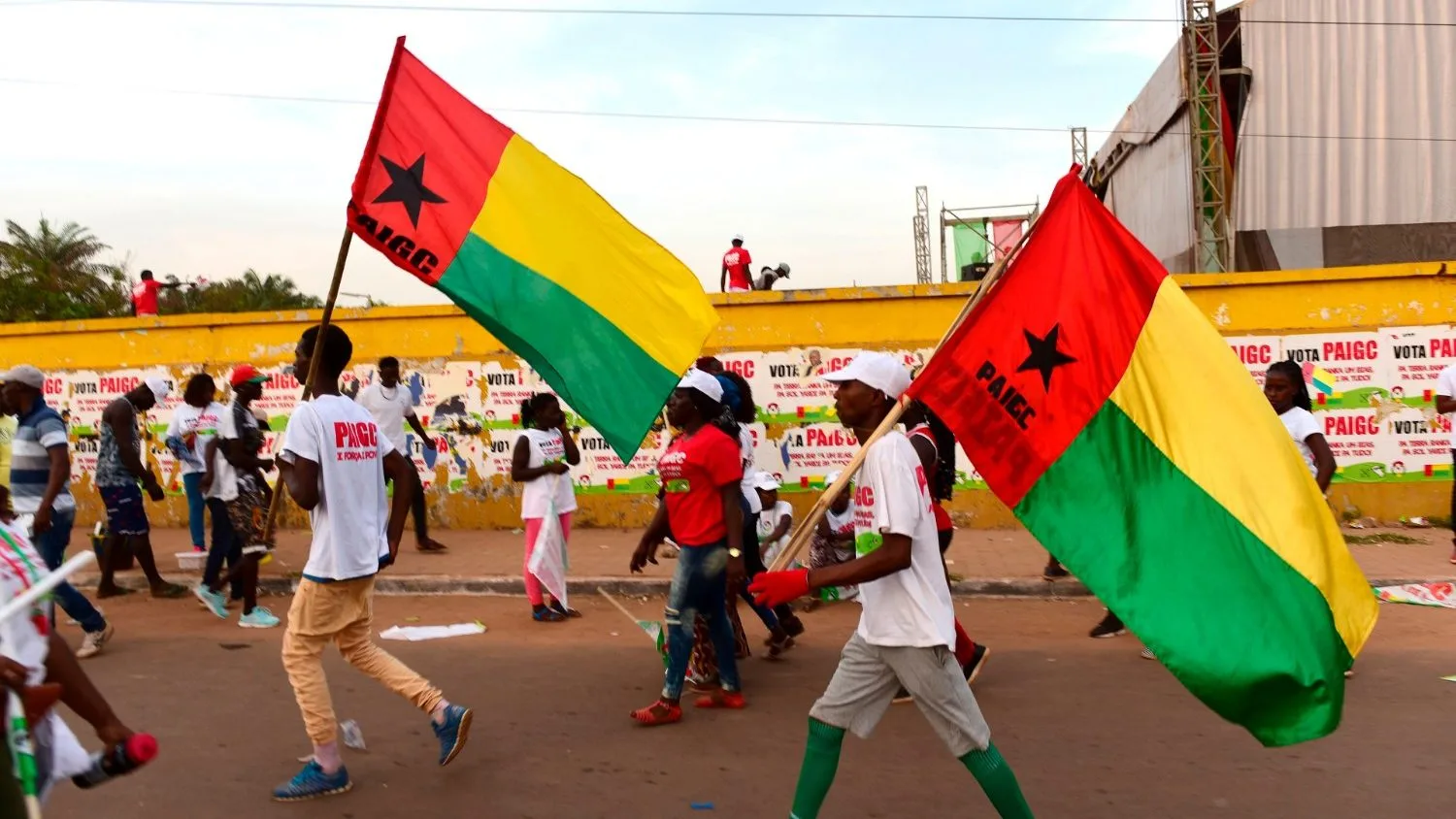
Judge Lima André took control, subsequently dismissing, retiring, or suspending ten judges over ten months. This judicial assault aligns with President Umaro Sissoco Embaló’s growing authoritarian tendencies.
Since taking office in 2020, Embaló has twice dissolved parliament, most recently in December 2023, citing an “attempted coup” as justification.
These actions have concentrated power in the president’s hands, undermining constitutional checks and balances. Former Justice Minister Carmelita Pires likens the situation to the pre-1994 Marxist single-party system.
Guinea-Bissau’s Democratic Crisis
International concern is mounting. ECOWAS, the EU, and other partners have expressed worry over Guinea-Bissau’s democratic backsliding.
In addition, this crisis unfolds amid regional instability, with several West African nations experiencing recent coups.
The situation is particularly concerning given Guinea-Bissau’s history of political volatility and its strategic location as a potential transit point for drug trafficking.
As Guinea-Bissau approaches the December 2024 presidential elections, the stakes are high. Civil society leaders call for urgent action to protect democracy and judicial independence.
They argue that without a functioning system of checks and balances, the country risks sliding back into instability.
The coming months will be crucial in determining whether Guinea-Bissau can reverse this troubling trend and reaffirm its commitment to democratic governance and the rule of law.
The eyes of the region and the international community will be watching closely as this small but significant nation navigates these turbulent waters.
This article was produced by The Rio Times’ automated newsroom system. How we use AI · Report an error · Editorial responsibility: Matthias Camenzind, Editor-in-Chief
Part of our ongoing coverage
Africa: The New Scramble — the great-power contest over the continent.