Angola Upgrades Its Undersea Internet Link to Brazil and the United States
Angola · TECHNOLOGY
Key Facts
- —The country Angola is an oil-exporting former Portuguese colony in southwest Africa with 36.6 million people (2024 census) and a US$122 billion economy, roughly 3% the size of Britain’s.
- —Why it matters Angolan wholesale operator Angola Cables owns SACS, a 2018 cable to Brazil that lets Africa–South America traffic skip the old detour through Europe and the US.
- —Why now Cloud and artificial-intelligence (AI) traffic is growing fast, while new cables take years to lay, so operators are squeezing more capacity from fibre already on the seabed.
- —What happened On 29 September 2026 Angola Cables said it will deploy Ciena equipment on its SACS and MONET cables, including 800-gigabit customer links on MONET.
- —The numbers MONET runs 10,556 km from Brazil to Florida; SACS runs 6,165 km from Brazil to Angola. The company cites a 130-millisecond Angola–US round trip.
- —What it means for you Firms moving data between Africa, Brazil and the US gain more capacity on a route that avoids Europe; Angolan retail internet prices are not directly affected.
- —Still open Neither company disclosed the contract value, total added capacity or a completion date; the performance figures come from the companies themselves.
Angola’s subsea cable to Brazil is getting a capacity upgrade aimed at cloud and AI traffic. It is a reminder that an oil economy on Africa’s Atlantic coast also runs one of the South Atlantic’s main data bridges.
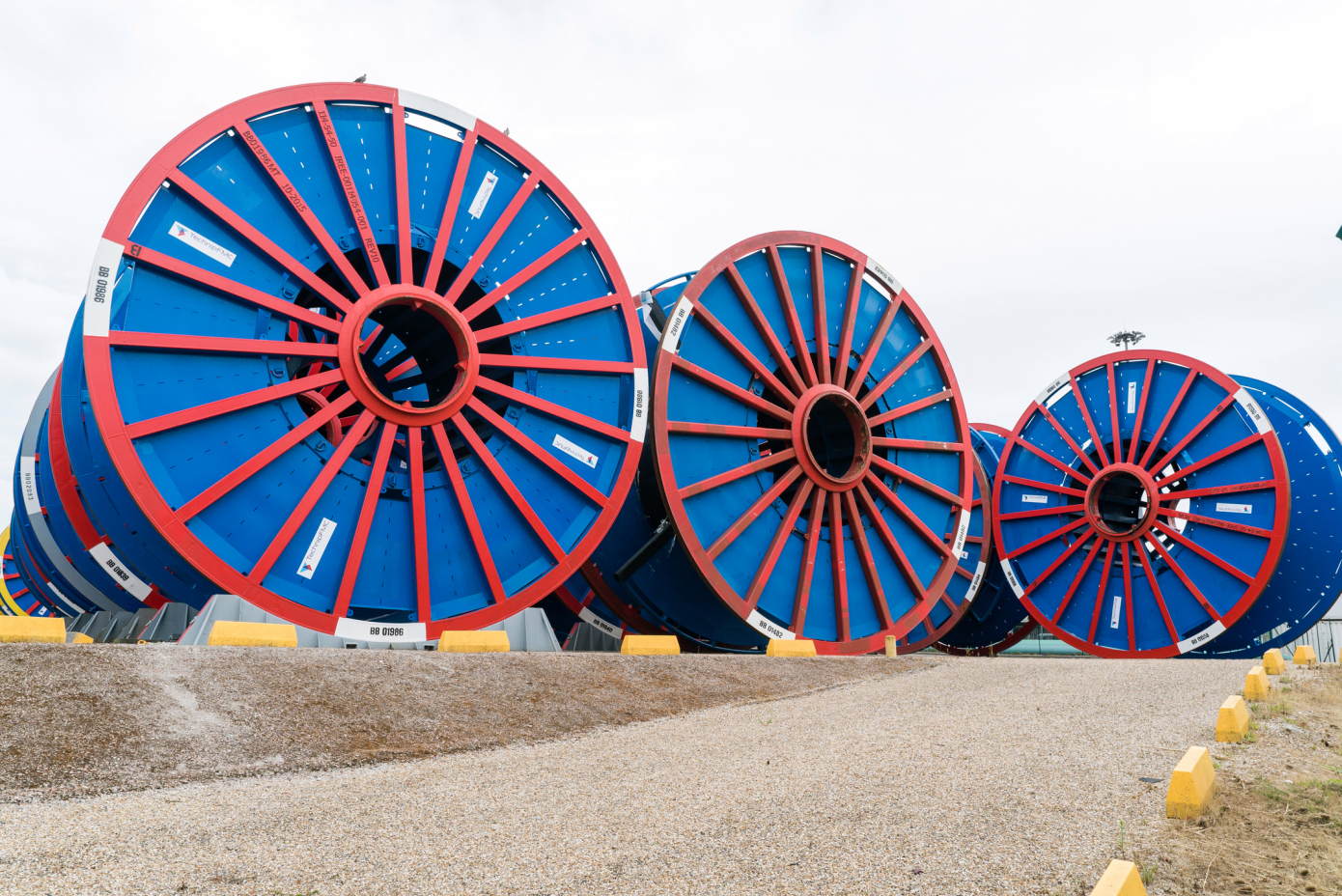
An Angola subsea cable upgrade was announced on Tuesday, 29 September 2026, by Angola Cables, a Luanda-based wholesale telecom operator. It will fit equipment from Ciena, a US network-technology maker, to two undersea systems.
The two cables are SACS, which crosses the South Atlantic from Angola to Brazil, and MONET, which runs from Brazil to Florida. Together they form a direct data route from southern Africa to the Americas that does not pass through Europe.
What Angola Cables announced
According to the companies, Angola Cables will deploy Ciena’s Waveserver with WaveLogic 6 Extreme optics, a 6500 line system and Navigator software. The equipment goes into the cable landing stations, where the undersea fibre meets land networks.
The companies said the upgrade will bring 800-gigabit-per-second customer interfaces on MONET. Brazilian trade site TELETIME reported, citing Ciena, that some links could reach 1.6 terabits per second and that deployment is under way.
Customers will be able to buy anything from single 100-gigabit connections to a full fibre pair, the companies said. The offer also includes spectrum sales and managed optical fibre networks, where the operator runs dedicated capacity for one client.
No contract value, total capacity figure or completion date was disclosed. The 130-millisecond Angola–US round-trip time is the company’s own figure and could not be independently confirmed.
Why the South Atlantic route matters
Before SACS entered service in September 2018, most data between Angola and Brazil travelled via Europe or the US. The cable, built by Japan’s NEC, lands at Sangano, south of Luanda, and at Fortaleza in northeast Brazil.
Angola Cables describes SACS as the first cable across the South Atlantic. A second direct link, SAIL between Cameroon and Fortaleza, followed in 2020.
MONET, in service since December 2017, runs 10,556 km from Fortaleza and Santos to Boca Raton, Florida. Its owners are Angola Cables, Google, Brazil’s Algar Telecom and Uruguay’s state operator Antel.
“Our subsea cable systems are a critical digital bridge connecting Africa and the Americas,” said Adriano Caldevilla, Angola Cables’ technology chief. He said demand from hyperscalers, the giant cloud providers, keeps accelerating.
The Brazil connection
Fortaleza is the hinge of the system and one of Brazil’s busiest landing points for international cables. Angola Cables runs a Brazilian subsidiary, TelCables, and a data centre in the city, AngoNAP Fortaleza.
Fernando Capella, Ciena’s regional director for Brazil and the southern cone, told TELETIME that new cables take years to reach service. Extracting more capacity from existing fibre is therefore the quicker option, he said.
Capella also said more than 95% of internet traffic travels over subsea cables, so upgrades help land-based users too. That share is an industry-wide estimate rather than a measurement of this route.
Satellite and cables at home
Beyond the international cables, the government relies on AngoSat-2, a satellite built by Russia’s RSC Energia. It was launched from Baikonur on 12 October 2022.
By October 2023, satellite terminals under the Conecta Angola programme served more than 150 remote sites, according to the watchdog Freedom House. Its report said commercial satellite services had not yet begun at that point.
In June 2026, Telecom Namibia signed a pilot deal with GGPEN, Angola’s space programme office. Mozambique’s Tmcel has also been testing AngoSat-2 services.
Angola now has 21 provinces after a 2024 law split Cuando Cubango and Moxico and created Icolo e Bengo from Luanda. The new provinces began operating in 2025.
What the Angola subsea cable upgrade does not solve
Wholesale capacity at the coast does not automatically reach villages in the interior. Retail prices and coverage depend on domestic fibre, mobile networks and competition between operators such as Unitel and Africell.
A second international route already exists: the 2Africa cable, backed by Meta and partners, also lands in Luanda. More cables usually mean more resilience, but the gains for ordinary users take time to appear.
For investors, the upgrade signals that Angola Cables is positioning itself for AI and cloud demand between the continents. For businesses, it adds capacity on a route that links African, Brazilian and US data centres without a European detour.
What to watch next
The key test is whether cloud providers sign up for the new 800G capacity and whether Angola Cables publishes traffic figures. The companies have not said when the rollout will be complete.
At home, the question is whether AngoSat-2’s regional pilots turn into paying contracts. Both efforts point the same way: Angola wants to be a data hub, not only an oil exporter.
Frequently Asked Questions
What are the SACS and MONET cables?
SACS is a 6,165 km cable owned by Angola Cables that links Sangano, near Luanda, with Fortaleza in Brazil. MONET runs 10,556 km from Fortaleza and Santos to Florida and is co-owned with Google, Algar Telecom and Antel.
What will the Ciena upgrade change?
Angola Cables said it will install Ciena’s Waveserver with WaveLogic 6 Extreme optics, the 6500 line system and Navigator control software. The companies said this adds 800G customer links on MONET and more flexible capacity on both cables.
Does the upgrade make internet cheaper in Angola?
Not directly. The Angola subsea cable upgrade serves wholesale buyers such as cloud firms and carriers, while retail prices depend on domestic networks.
How does AngoSat-2 fit in?
AngoSat-2 is Angola’s communications satellite, launched in October 2022 and built with Russia’s RSC Energia. It serves remote areas beyond fibre, while subsea cables such as SACS carry the country’s international traffic.
Connected Coverage
Sources
- TELETIME: Angola Cables reforça cabos submarinos Monet e SACS ao lado da Ciena (29 Sep 2026)
- TeleSíntese: Angola Cables contrata a Ciena (29 Sep 2026)
- Convergência Digital: Angola Cables contrata Ciena (29 Sep 2026)
- DCD: Angola Cables leva 800G aos cabos MONET e SACS (29 Sep 2026)
- TeleGeography Submarine Cable Map: SACS
- TeleGeography Submarine Cable Map: MONET
- World Bank: Angola data
- City Population: Angola provinces, 2024 census
- Freedom House, Freedom on the Net 2024: Angola (via ecoi.net)
This article was produced by The Rio Times’ automated newsroom system. How we use AI · Report an error
LatAm Markets: Live Signals → — real-time movers, turnover leaders and FX across Latin America.
Read More from The Rio Times