Cameroon Lawyer Alice Nkom Gets Suspended Jail Term for Breaking Seals
Cameroon · POLITICS
Key Facts
- —What happened A court in Douala, Cameroon’s economic capital, convicted veteran rights lawyer Nkom, 81, of breaking official seals.
- —The sentence One year in prison suspended for five years, plus a 500,000 CFA franc fine (about US$870).
- —The acquittal Nkom and Maximilienne Ngo Mbe, her network’s director, were cleared of joint rebellion in the same ruling.
- —The backstory The government suspended REDHAC, a rights network she chairs, in December 2024 and sealed its offices.
- —The catch The defence says no decision ordering the seals ever existed, so breaking them was no offence.
- —What comes next Nkom says she will appeal within the 10-day window, and go to the Supreme Court if needed.
A court in Cameroon has given Alice Nkom, an 81-year-old human-rights lawyer, a suspended jail term for breaking official seals. The seals had closed the Douala offices of REDHAC, the Central African Human Rights Defenders Network she chairs.
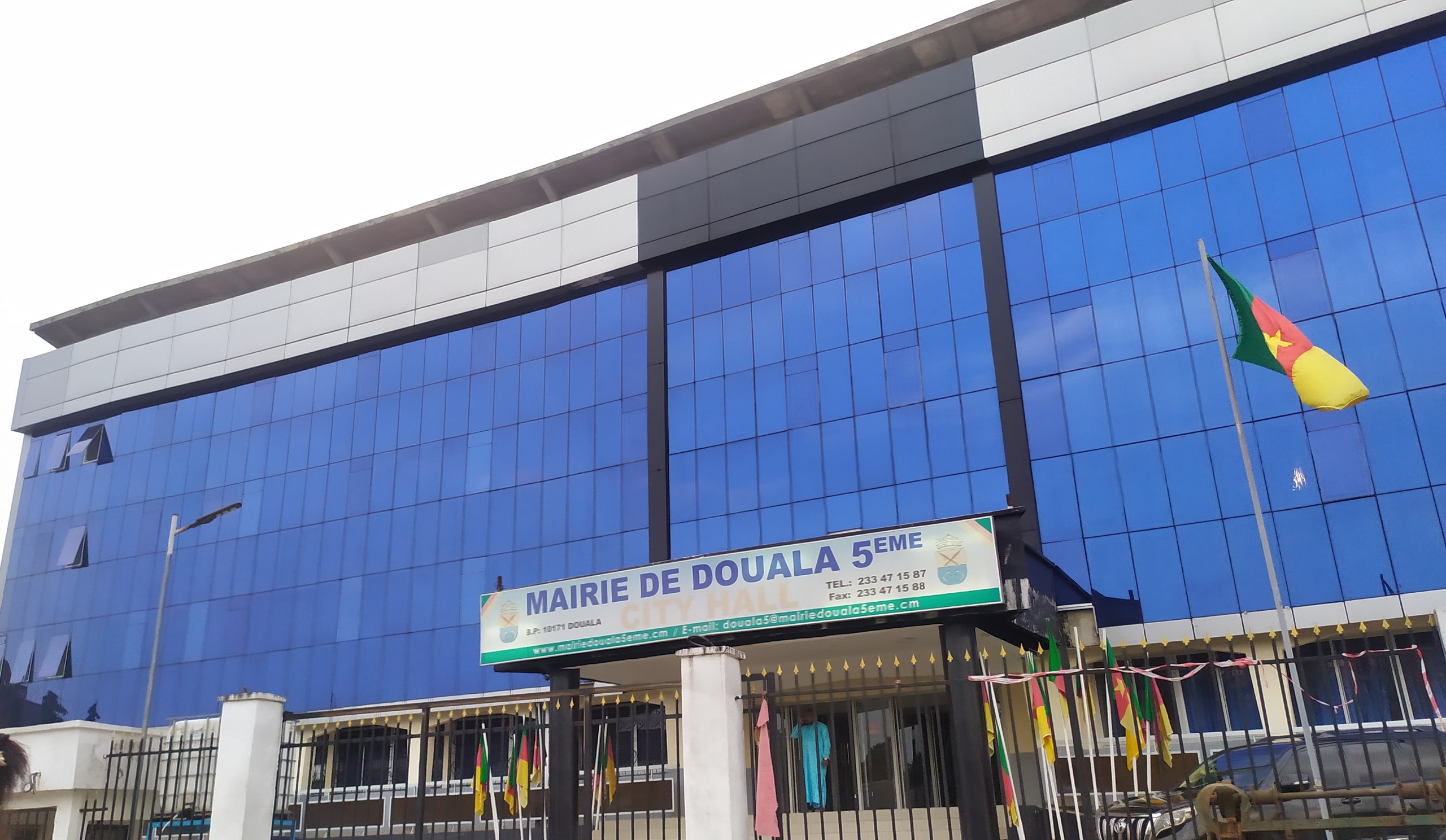
The ruling came on Monday 21 September 2026 in Douala, Cameroon’s economic capital. The same court cleared Nkom and a colleague of rebellion, and she has said she will appeal.
The verdict against Alice Nkom
The Douala-Bonanjo Court of First Instance, a lower criminal court, found Nkom guilty of “bris de scellés”, or breaking seals. It sentenced her to one year in prison, suspended for five years from the date the ruling becomes final.
She must also pay a fine of 500,000 CFA francs (about US$870) and 62,100 CFA francs (about US$110) in court costs. Prosecutors had asked for a “firm and dissuasive” sentence, arguing she had attacked the symbols of the state.
Nkom and Maximilienne Ngo Mbe, the network’s executive director, were both acquitted of joint rebellion because the offence was not established. Because of Nkom’s age, the court ruled out “contrainte par corps”, meaning she cannot be jailed for failing to pay.
The REDHAC suspension and the broken seals
On 6 December 2024, Territorial Administration Minister Paul Atanga Nji suspended REDHAC and several other non-governmental organisations (NGOs) for three months. He cited suspected “illicit” funding, money laundering and terrorism financing, and demanded the names of their donors.
On 9 December 2024, local officials and police sealed REDHAC’s offices in Douala. Nkom removed the seals in front of journalists the same day, calling the measure illegal.
The prefect of Wouri, the state’s top administrator in Douala, summoned her the next day and later filed a criminal complaint, on 26 December 2024. The rebellion charge stemmed from her refusal to answer his summons.
A long confrontation with the state
Nkom has practised law since 1969, when at 24 she became one of Cameroon’s first women lawyers. She is best known for defending LGBTQ+ people in a country that criminalises same-sex relations.
Since the October 2025 presidential election she has also been spokesperson for opposition figure Issa Tchiroma Bakary. He claims he won the vote, which official results gave to President Paul Biya.
Civil-society groups in Cameroon have denounced the verdict as judicial intimidation, RFI, the French public broadcaster, reported. Rights defender Cyrille Rolande Bechon called it part of a criminalisation of civil society meant to silence critical voices.
The politics of civil society in Cameroon
President Paul Biya has led Cameroon since 1982, making him one of Africa’s longest-serving leaders. His government keeps tight control over political expression, and rights groups often face administrative pressure.
Amnesty International said in January 2025 that the authorities were misusing the justice system to target Nkom. The International Federation for Human Rights (FIDH) said the funding accusations came without tangible evidence.
Nkom’s decision to break the seals was a direct challenge to state authority. Prosecutors framed it that way in court, saying “there are symbols one does not attack.”
What the suspended sentence means
A suspended term means Nkom will not serve prison time unless she commits another offence within five years. That period starts only once the judgment becomes final.
The fine and costs total 562,100 CFA francs, about US$975, and are payable regardless of the suspension. Conversions use 576.4 CFA francs per US dollar (open.er-api.com, 25 September 2026).
The acquittal on the rebellion charge is significant. The prosecution had tied it to her refusal to answer the prefect, but the court found no offence.
The appeal and what to watch next
Nkom announced on Facebook this week that she will appeal. “We will argue the law, and the court will state the law,” she wrote.
She added that she would go to the Supreme Court if the appeal court also proved rigged. The defence has 10 days from the ruling to lodge an appeal.
Defence lawyer Claude Assira said the ruling “gives a false impression of balance.” He argues no decision ordering the seals was ever issued, so breaking them could not be an offence.
The appeal will test whether a higher court upholds the state’s power to seal NGO offices without a court order. It will also show how much room Cameroon’s courts give to civil-society leaders who defy administrative orders.
The wider stakes echo themes in Africa: The New Scramble, where governance, external influence and local agency intersect across the continent.
Frequently Asked Questions
What was Alice Nkom convicted of in Cameroon?
A Douala court convicted her on 21 September 2026 of breaking seals on the offices of REDHAC, the rights network she chairs. She received one year in prison, suspended for five years, and a 500,000 CFA franc fine (about US$870).
Why were the REDHAC offices sealed?
Cameroon’s minister of territorial administration suspended REDHAC for three months in December 2024, citing suspected illicit funding and money laundering. Officials sealed its Douala offices on 9 December 2024, and Nkom removed the seals the same day.
Will Alice Nkom go to prison?
Not unless she commits another offence within five years of the ruling becoming final, because the term is suspended. Given her age, the court also ruled that she cannot be jailed for failing to pay the fine.
Can the verdict be appealed?
The defence has 10 days to appeal, and Nkom has said she will. She added that she would take the case to the Supreme Court if needed.
Connected Coverage
Sources
- fr.allafrica.com
- actucameroun.com
- actucameroun.com
- mimimefoinfos.com
- rfi.fr
- teleasu.tv
- stopblablacam.com
- actucameroun.com
- amnesty.org
- bbc.co.uk
This article was produced by The Rio Times’ automated newsroom system. How we use AI · Report an error
Read More from The Rio Times