
Eduardo Flores Salado, a reporter for the Acapulco news portal Enfoque Informativo, was found dead on the night of Saturday 14 November 2026 on the edge of the city, in Guerrero state on Mexico’s Pacific coast. The Guerrero state prosecutor’s office has opened an aggravated homicide investigation but has not said whether his work was the reason.
The case matters because ARTICLE 19, a press freedom group, has documented 181 killings of journalists in Mexico since 2000 in possible relation to their work. No arrests or cause of death had been announced as of Tuesday 17 November 2026.
Key Facts
- Who. Eduardo Flores Salado, reporter for Acapulco portal Enfoque Informativo, was found dead on 14 November.
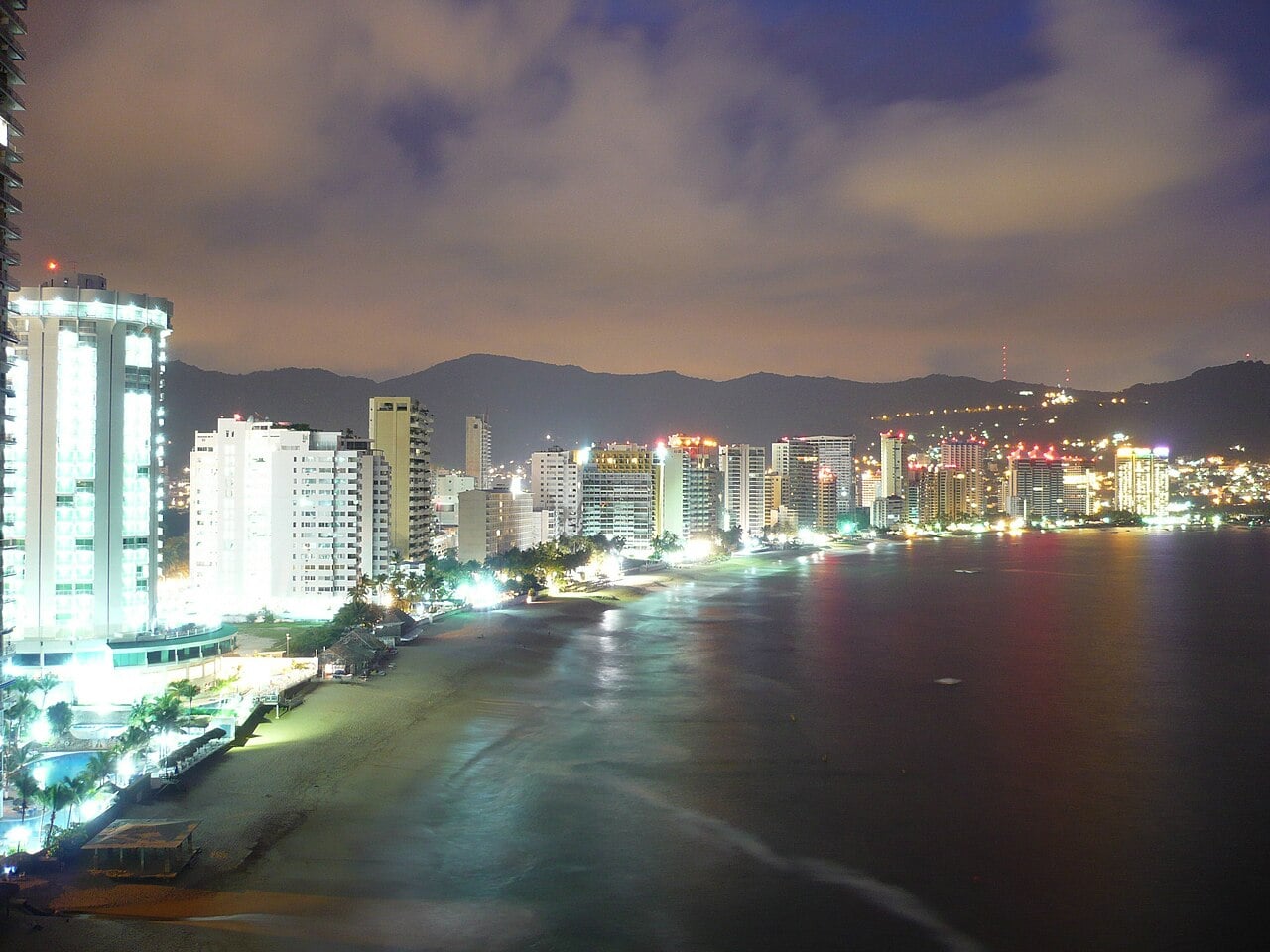
- Where. Canuto Nogueda, on the edge of Acapulco, in Guerrero state on Mexico’s Pacific coast.
- Case. Guerrero’s state prosecutor opened an aggravated homicide inquiry; it has announced no arrests or cause.
- Context. ARTICLE 19, a press freedom group, has documented 181 journalist killings in Mexico since 2000, possibly work-related.
- Power Index. Mexico ranks 2nd of 14 in The Rio Times Latin America Power Index, with 70.8 points (November 2026 edition).
A veteran reporter in Acapulco was found dead, and the prosecutor has not yet said whether his journalism played a part. Colleagues and press freedom groups are asking for a full and impartial investigation.
Why Reporting Is Risky in Mexico
ARTICLE 19, a press freedom group with an office for Mexico and Central America, says it has documented 181 killings of journalists in Mexico since 2000 in possible relation to their work, as shown on its tally page on 17 November 2026. Our media landscape explainer gives the background.
Reporters Without Borders (RSF), an international press freedom group, is reported to count ten media workers killed in Mexico in 2026, including Flores Salado. This is reported, not confirmed: it is RSF’s count as relayed by a Mexican news report on 15 November 2026, and we could not confirm it on RSF’s site.
Colleagues want the killing treated as an attack on free expression, and the prosecutor says it will keep investigating to establish the circumstances and identify those responsible. An investigation can show whether his reporting played a part, and it can equally rule that out.
What Happened on 14 November
Flores Salado, known as “Lalito”, was found dead late on Saturday 14 November 2026. The place was Canuto Nogueda, a district across from the village of La Sabana on the outskirts of Acapulco.
Preliminary reports describe an injury to the neck and apparent signs of strangulation, and relatives identified him at the Forensic Medical Service, known as SEMEFO. The prosecutor has not given a cause.
The prosecutor’s office (Fiscalía General del Estado de Guerrero) said on 15 November that it opened an investigation for aggravated homicide over the facts of the night of 14 November. It named the victim “Eduardo N”, in line with Mexican practice, and has announced no arrests and no possible cause.
Who He Was and What Others Say
Flores Salado was a veteran of local media who covered human rights, security, missing people and local politics. He had earlier worked at a local newspaper in Acapulco, and belonged to Prensa Rosa, a journalists’ collective.
On Sunday 15 November 2026 Enfoque Informativo called the killing “a direct attack on freedom of expression”, in our translation from Spanish. It added: “They will not silence us.”
ARTICLE 19 condemned the killing in a statement carried by several Mexican outlets by 16 November 2026, which we could not find on its own site. It demanded a prompt, exhaustive and impartial investigation by the Guerrero prosecutor.
The statement asks that his journalism be treated as a possible motive while other lines stay open. It also asks the Federal Protection Mechanism, a government programme that protects journalists, to assess risks to his family and close colleagues.
What It Means for You
Reporters in Guerrero, their families and local readers are the people most directly affected. An unsolved case can leave colleagues exposed, which is why ARTICLE 19 asked for a risk assessment for his family and close colleagues.
For readers elsewhere, the case adds to Mexico’s long press freedom record. Our explainer on why journalist killings in Mexico are rarely solved sets out the pattern.
What Is Not Known
The prosecutor has not said whether the killing is linked to his work, and the cause and motive remain unknown. No suspects have been named.
It is also unknown whether threats came before his death or whether the Federal Protection Mechanism was ever involved. We could not find ARTICLE 19’s statement on its own site, and we could not open RSF’s tally, on 17 November 2026.
More: Mexico news in English, every day from The Rio Times. Politics, markets and migration are covered.
Frequently Asked Questions
Who was Eduardo Flores Salado?
He was a reporter for Enfoque Informativo, a news portal in Acapulco, and a veteran of local media. He covered human rights, security, missing people and local politics.
What has the prosecutor said?
The Guerrero state prosecutor’s office opened an aggravated homicide investigation into the events of 14 November 2026. It has announced no arrests and no cause, and has not said whether the case is linked to his journalism.
Has anyone been arrested?
No arrests had been announced as of 17 November 2026. The prosecutor says it will keep investigating to establish the circumstances and identify those responsible.
What does ARTICLE 19 say?
ARTICLE 19 condemned the killing by 16 November 2026 and demanded a prompt, exhaustive and impartial investigation. Its tally page counts 181 journalists killed in Mexico since 2000 in possible relation to their work.
Sources: Guerrero state prosecutor’s office, press release of 15 November 2026; ARTICLE 19 tally of killed journalists, as shown on 17 November 2026; Enfoque Informativo statement of 15 November 2026; ARTICLE 19 statement of 16 November 2026 (carried by Mexican outlets, not found on its own site); RSF count (reported, not confirmed).
This article was produced by The Rio Times’ automated AI newsroom. Editorial responsibility: Matthias Camenzind, Publisher and Editor-in-Chief. The Rio Times also runs Ask Rio Times, which answers from 100,000+ of our own articles, the daily Latin America Power Map, and prediction-market odds on elections and markets.. How we use AI · Report an error