Abidjan Metro Eyes 540,000 Riders a Day
Ivory Coast’s prime minister says Abidjan’s first metro line will carry paying passengers from January 2029, with test trains at the end of 2028.
Transport: Ivory Coast
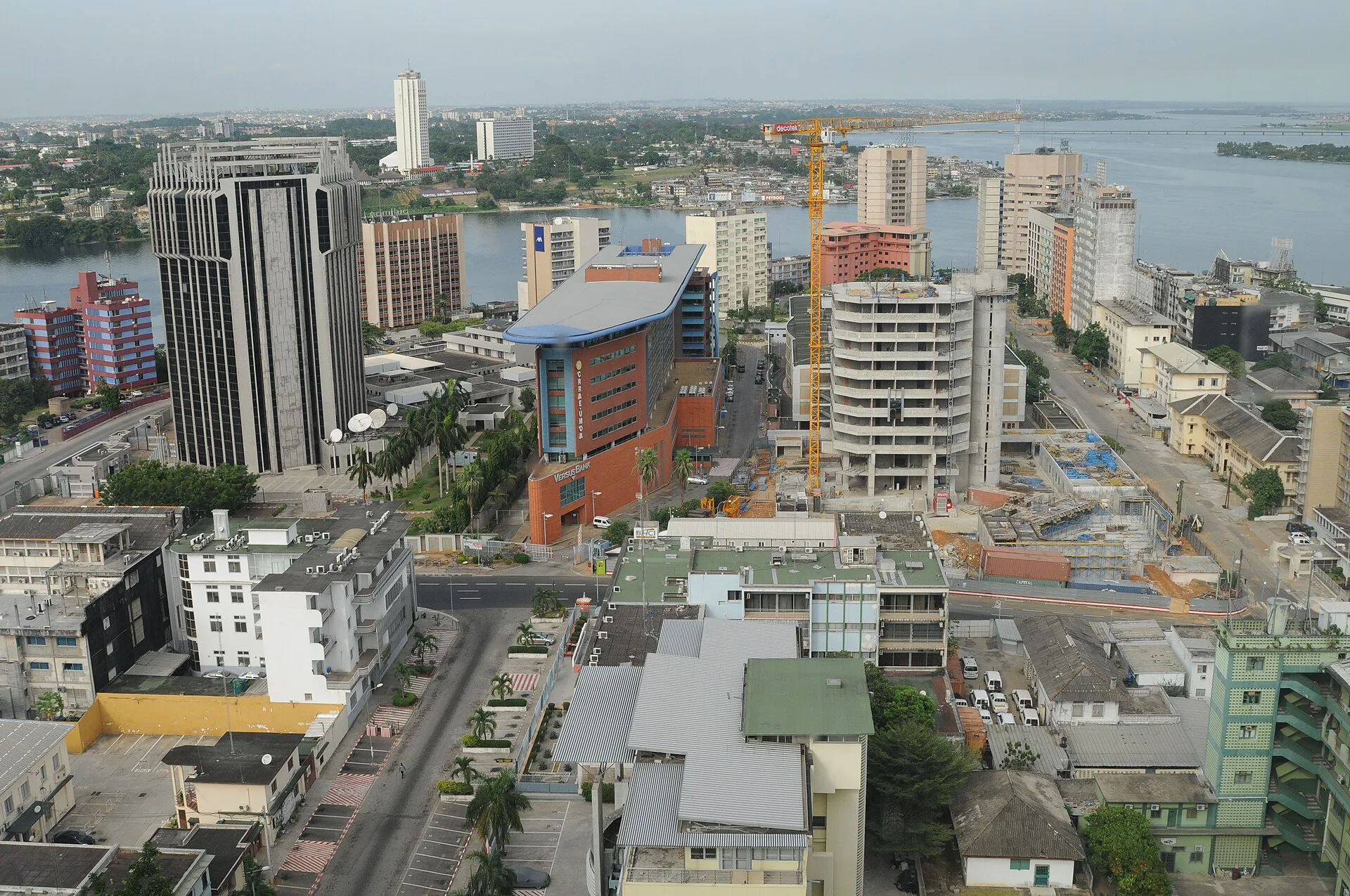
Ivory Coast, also called Côte d’Ivoire, expects its first metro to open in January 2029, according to Prime Minister Robert Beugré Mambé, who spoke on Wednesday 11 November 2026. Line 1 should ease traffic in Abidjan, the economic capital, and run south to Port-Bouët, where the city’s airport is.
For travellers and firms, the date matters because test trains are not due before the end of 2028. Visitors planning a stay can read our guide on what to do in Abidjan in November.
Key Facts
- Who. Robert Beugré Mambé, Ivory Coast’s head of government, toured Line 1 sites on 11 November.
- What. Commercial service, meaning paying passengers, is planned for January 2029.
- Numbers. Line 1: 37.4 km, 18 stations, up to 540,000 passengers a day.
- Why it matters. The line should ease congestion and help people reach housing along its route.
- Next. First trains arrive for tests at the end of 2028.
The prime minister has named January 2029 for the first paying passengers on Line 1, the first metro line in Ivory Coast’s economic capital.
The Big Picture
Line 1 is the first metro of Ivory Coast, a state-led infrastructure push in Abidjan, the country’s economic capital. The Prime Minister called it “a jewel for Ivory Coast” that will improve comfort and ease congestion.
The route runs 37.4 km from Anyama in the north through Abobo, Adjamé, Plateau, Treichville and Marcory to Port-Bouët in the south. It has 18 stations, and its southern terminus at Port-Bouët is where Abidjan’s airport is.
He said the line will help people reach housing along the route. He invited Ivorian private operators to prepare to take over the commercial activity in the big stations, saying “Big stations are places of commerce.”
What Was Announced
On Wednesday 11 November 2026 the Prime Minister toured the construction sites of Line 1, from Port-Bouët (Place Akwaba) to the depot at Sagbé in Abobo commune. He was joined by Infrastructure and Road Maintenance Minister Hien Sié Yacouba, Transport Minister Amadou Koné and Communication Minister Amadou Coulibaly.
Kinapara Coulibaly, director general of BNETD (Bureau National d’Études Techniques et de Développement, the state engineering bureau), also took part. The metro’s project management unit, the body that manages the project, organised the tour.
The Prime Minister said first trains arrive for tests at the end of 2028, with commercial service planned for January 2029. He said Line 1 is expected to carry up to 540,000 passengers a day.
He said more than 2,000 Ivorian workers are on site, including 200 engineers and 150 young women recruited. About 5,000 jobs are expected in total, including 2,000 permanent ones in operation, and training for railway trades has started.
In plain English: commercial service means paying passengers, while test runs are trains running to check the system before opening. STAR is the group of companies building the metro, and Line 1 is its first route.
Who Is Building It and the Cost
The project is built by the STAR consortium (Société des Transports Abidjanais sur Rail). Its members are Bouygues Travaux Publics as project leader for civil works, Colas Rail for track and power, Alstom for trains and signalling, and Keolis for operation and maintenance.
On 19 December 2022 an amendment to the contract was signed and, according to Colas, a French construction group, financing closed and the contract took effect. Colas put the contract at EUR 1.77 billion (about US$1.9 billion at about 1.10 US$ per euro on 19 November 2026), with 66 months of construction.
In December 2019 the STAR consortium put the cost of construction works at EUR 1.36 billion (about US$1.5 billion). It said the financing still had to be finalised with the French authorities.
Why It Matters
Line 1 is expected to carry up to 540,000 passengers a day over 37.4 km, the Prime Minister said on 11 November 2026. The contract behind it is worth EUR 1.77 billion (about US$1.9 billion), Colas said in December 2022.
Commuters between Anyama or Abobo in the north and Plateau or Port-Bouët would gain a trip that avoids road congestion. Until 2029 they must wait for the service to open.
What to Watch
The Prime Minister gave two checkpoints on 11 November 2026, both in months and not exact days. First trains arrive for tests at the end of 2028, and commercial service is planned for January 2029.
Our own calculation shows why the dates matter: 66 months from December 2022 points to mid-2028, so January 2029 service is about six months later. We found no official explanation for the difference.
What It Means for You
On the Prime Minister’s timetable, visitors cannot ride the metro before January 2029, because first trains arrive for tests only at the end of 2028. Anyone planning a longer stay can weigh housing and transport costs in our cost of living guide for Abidjan.
Line 1 ends at Port-Bouët, where Abidjan’s airport is, so air travellers are part of its audience. Our report on the Air France codeshare for Abidjan covers the flight side.
What Is Not Known
We found no published progress percentage for the works in the official statements we checked. We also found no new official cost figure since 2022.
The fare level and who will run the commercial areas in stations are not yet public. Whether the January 2029 date holds is also open.
Frequently Asked Questions
When will the Abidjan metro open?
Prime Minister Robert Beugré Mambé said on 11 November 2026 that commercial service is planned for January 2029. First trains arrive for tests at the end of 2028.
How long is Line 1 and how many people will it carry?
Line 1 is 37.4 km long with 18 stations. It is expected to carry up to 540,000 passengers a day.
Who is building the Abidjan metro?
The STAR consortium builds it, with Bouygues Travaux Publics, Colas Rail, Alstom and Keolis. Colas said in December 2022 that the contract is worth EUR 1.77 billion (about US$1.9 billion).
Does the metro go to the airport?
The southern end of Line 1 is Port-Bouët, where Abidjan’s airport is. The project description says the line runs from Anyama to the airport.
Sources
Ivory Coast prime minister’s site visit and statements of 11 November 2026; Colas press release on Line 1 (December 2022); STAR consortium statement on the Line 1 contract (December 2019).
This article was produced by The Rio Times’ automated AI newsroom. Editorial responsibility: Matthias Camenzind, Publisher and Editor-in-Chief. The Rio Times also runs Ask Rio Times, which answers from 100,000+ of our own articles, the daily Latin America Power Map, and prediction-market odds on elections and markets.. How we use AI · Report an error
Part of our ongoing coverage
Africa: The New Scramble — the great-power contest over the continent.
Living in or visiting Abidjan? See this month's events and our Abidjan city guide with rents, safety and upcoming concerts.