Travel: Riviera Maya
Key Facts
—Goal. Tulum’s clifftop ruins, cenotes and town fit comfortably into one day from Cancún or Playa del Carmen.
—Getting there. The Tren Maya links Cancún’s airport to Tulum in under two hours, and Tulum has its own airport.
—Cost. The train runs about MXN 557 to 838 (about US$32 to US$48) one way from Cancún airport, shuttles included.
—Alternative. The ADO bus takes around three hours and costs about MXN 430 (about US$25).
—Tip. Start early, because heat and crowds peak around midday.
A Tulum day trip in 2026 is easier than ever thanks to the Tren Maya and Tulum’s own airport — here is how to fit ruins, cenotes and town into one relaxed day.
Why a Tulum Day Trip Is Easier in 2026
For years, Tulum meant a long, hot road trip down the coast. Two projects changed that math: the Tren Maya railway and Tulum’s own international airport, opened in late 2023.
The Tren Maya runs 1,554 kilometers across five states of southeast Mexico. For day-trippers, the Cancún-to-Tulum leg is the star of the network.
The airport handled about 1.2 million passengers in 2025, though it scaled back some routes in 2026 amid a regional tourism slowdown. The train, meanwhile, turned the Cancún-to-Tulum journey into a comfortable ride of under two hours.
That makes Tulum a realistic day trip even from Cancún. From Playa del Carmen, it is almost lazy.
Getting There: Train or Bus?
From Cancún airport, a shuttle bus (MXN 35, about US$2) takes you to the Tren Maya station in about 15 minutes. The train ride to Tulum then takes around one hour and 45 minutes, with air conditioning, snacks and bathrooms on board.
Tickets cost roughly MXN 557 to 838 (about US$32 to US$48) one way, depending on the class. From Tulum’s station, a shuttle (MXN 55, about US$3) runs to the ruins area or the downtown bus terminal in under ten minutes.
The ADO bus is the classic alternative at about MXN 430 (about US$25) and just over three hours from the airport. The train is around 30 minutes faster and more comfortable, but runs less often, so check departure times before you commit.
Prices and frequencies shift, so treat the figures here as a mid-2026 snapshot. The pattern, though, is stable: train for comfort, bus for flexibility.
Morning: The Famous Clifftop Ruins
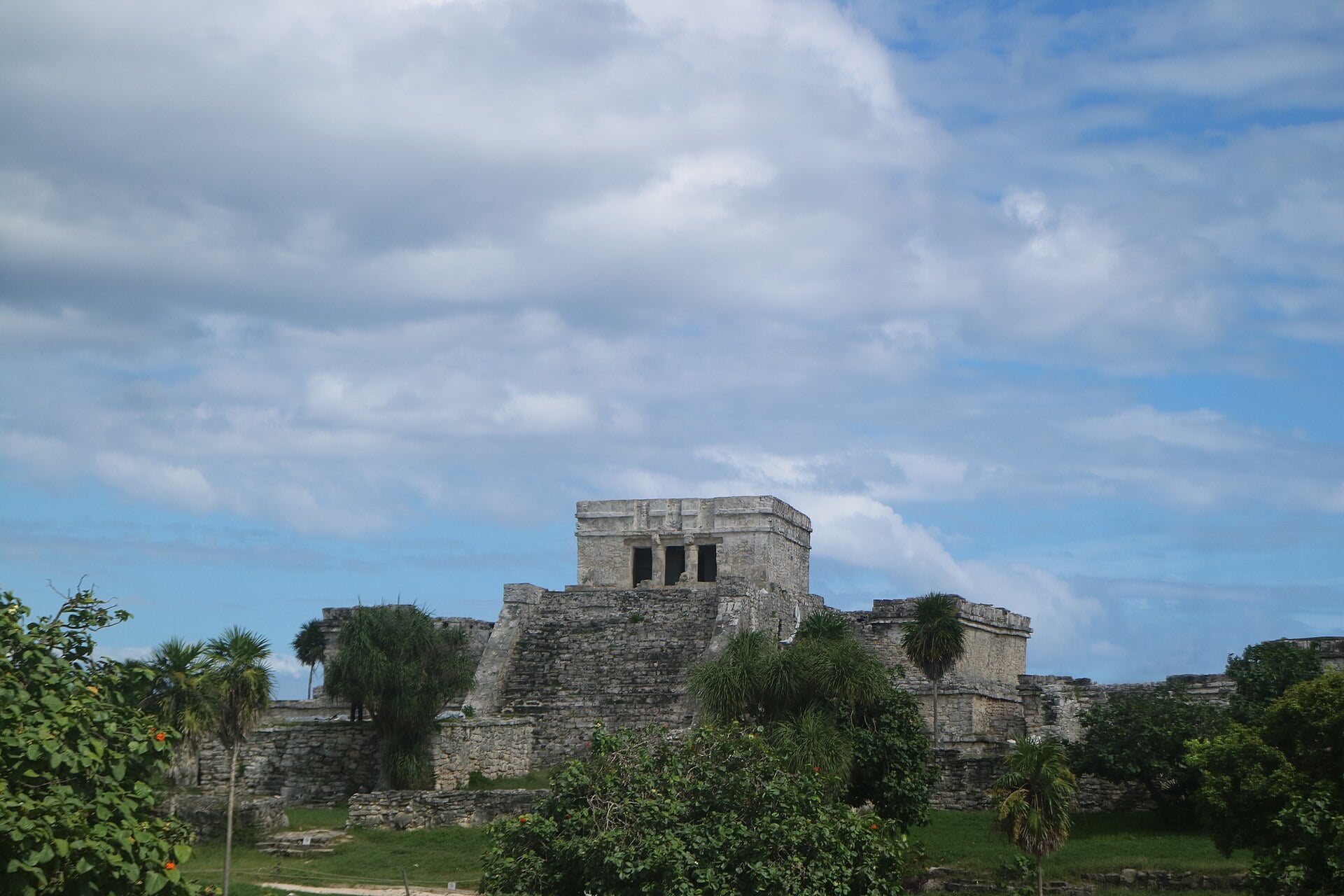
Tulum’s archaeological site is the postcard shot of the Riviera Maya, a small Maya city perched above turquoise water. Go at opening time, because by late morning the heat and the tour buses arrive together.
The star building is El Castillo, the castle-temple watching over the sea. At opening time, the iguanas still outnumber the tourists.
Visitors now enter through the modern Parque del Jaguar complex, which handles tickets, parking and access to the site. Bring water, a hat and sunscreen, because shade inside the ruins is scarce.
Two to three hours is enough for a relaxed loop. The view from the cliff down to the beach is the moment everyone remembers.
Afternoon: Cenotes, Town and Beach
After the ruins, cool off in a cenote, one of the freshwater sinkholes that dot the jungle around Tulum. Several well-known ones sit a short taxi or bike ride from town.
Cenotes formed over millennia as rainwater dissolved the region’s limestone and opened hidden pools. They were sacred to the Maya and are now the area’s natural swimming holes.
Their clear fresh water is also the reliable swim when sargassum seaweed bothers the beaches, as it has this season. Locals will point you to their favorite one.
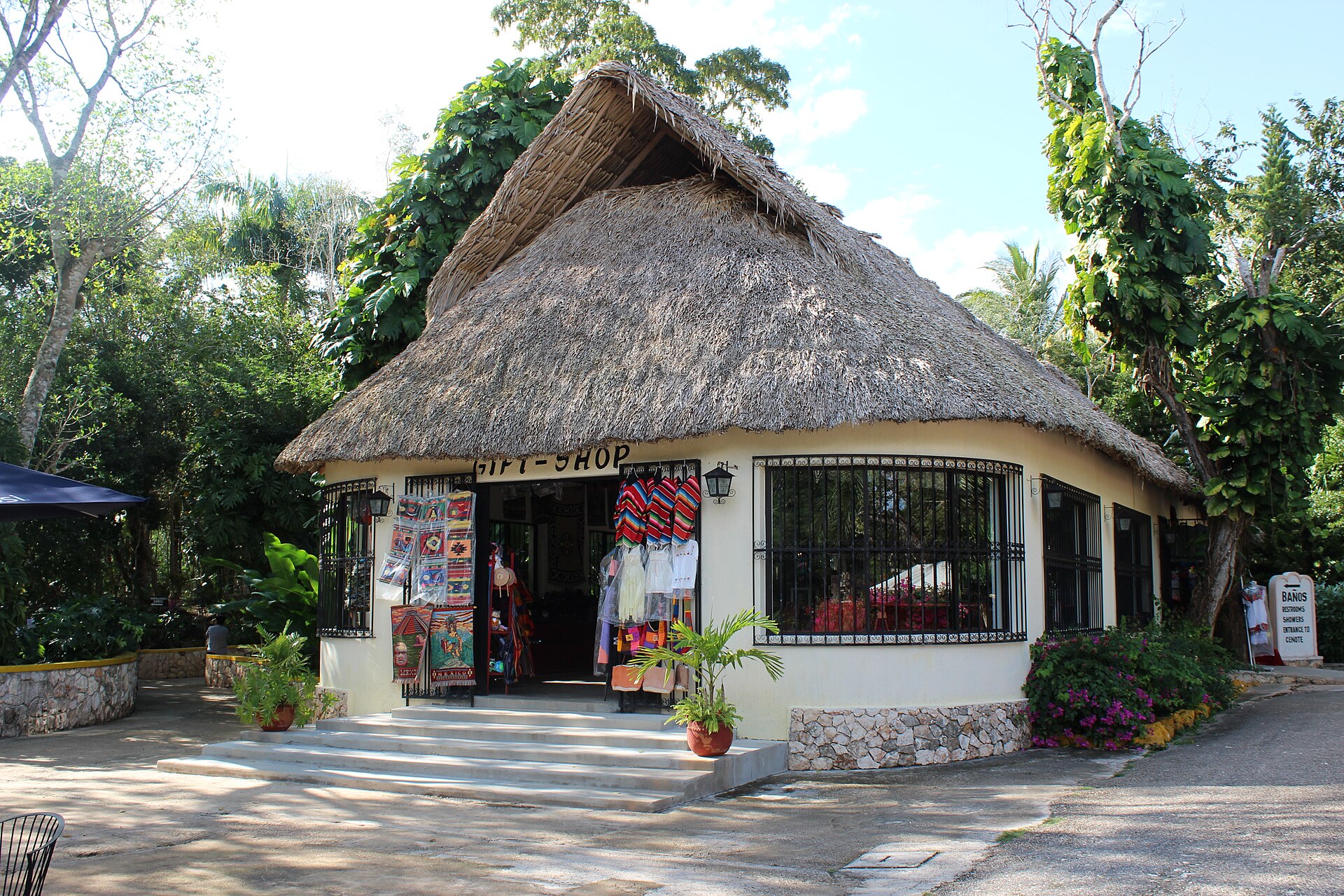
Tulum’s downtown along the main avenue is the budget-friendly side, full of simple restaurants, juice bars and souvenir shops. The hotel zone on the beach road is the polished, pricey side, good for a late lunch with your feet in the sand.
Money, Timing and Heat: Practical Tips
Prices in this guide are snapshots from mid-2026, and peso figures shift with inflation. Card payments work widely, but small cash helps for shuttles, tips and cenote lockers.
The return leg decides your evening. The last trains leave earlier than you might expect, while ADO buses run into the night, so many travelers take the train down and the bus back.
A rental bike or scooter is a popular way to hop between town, ruins and cenotes. Distances are short, but the midday sun makes wheels smarter than walking.
August is hot, humid and quiet compared with winter. That means fewer crowds at the ruins, but plan indoor or water breaks between noon and three.
More: Mexico news in English, every day from The Rio Times.
Frequently Asked Questions
How long does a Tulum day trip take from Cancún?
By Tren Maya, allow about two and a half hours each way from Cancún airport, including shuttles. The ADO bus takes a little over three hours each way from the airport.
From Playa del Carmen the trip is shorter, roughly half the time. That makes Tulum an easy, spontaneous day from anywhere on the coast.
How much does a Tulum day trip cost in 2026?
Transport runs about MXN 557 to 838 (about US$32 to US$48) one way on the train, or MXN 430 (about US$25) by ADO bus. Add the ruins entry, a cenote ticket and lunch for the full day.
Prices shift with season and demand, so check the Tren Maya and ADO apps before you go. Booking the train ahead is wise in busy weeks.
Is one day enough for Tulum?
Yes, if you focus on the classics: ruins in the morning, a cenote and town or beach in the afternoon. An early start is what makes the day feel easy rather than rushed.
With a second day, add the Sian Ka’an biosphere reserve or the Cobá ruins nearby. But the postcard Tulum fits into one.
Connected Coverage
Beaches, trains and day trips — practical travel reads for Latin America.
Sources: Everything Playa del Carmen; The LatInvestor; AHome Quintana Roo.
This article was produced by The Rio Times’ automated newsroom system. How we use AI · Report an error
Read More from The Rio Times