Argentina · Energy
The real story here is not just a new machine — it is the signal that YPF is doubling down on Vaca Muerta’s most expensive phase, while quietly restructuring its portfolio to focus on shale. For anyone watching Argentine energy, the question is whether the jobs and output numbers can keep pace with the technology.
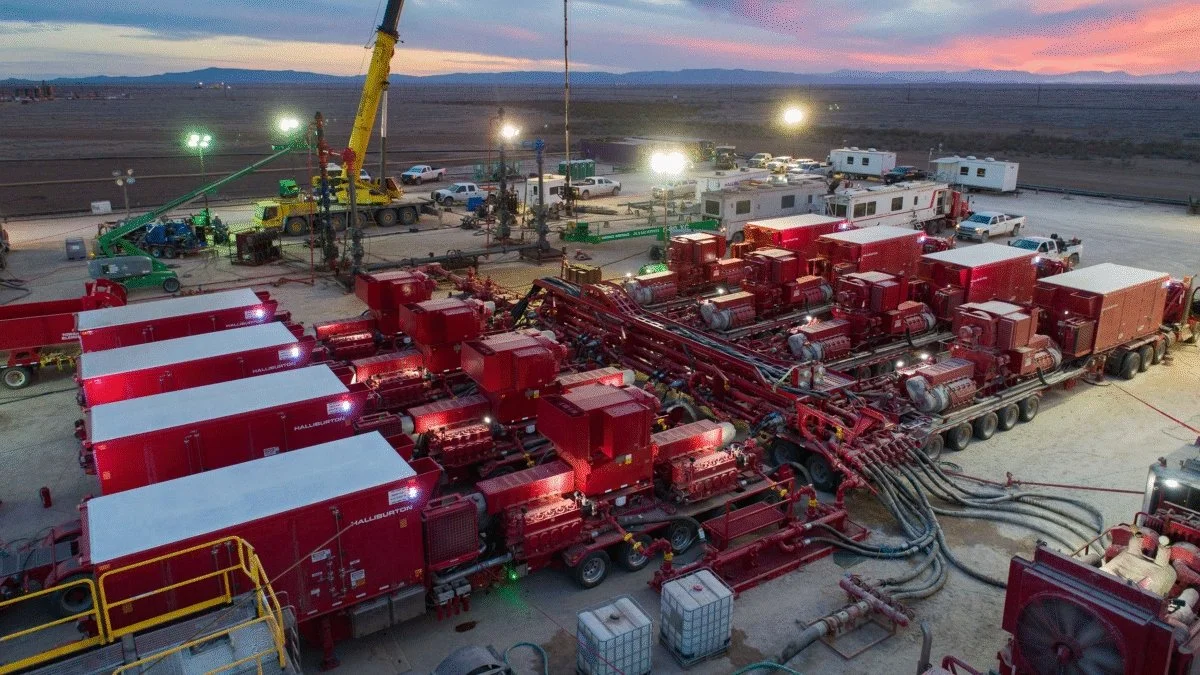
If you have been tracking Vaca Muerta’s growth, you already know the bottleneck was never the rock — it was the cost and speed of completing wells. That is exactly where YPF and Halliburton are now placing their bet. The two companies’ long-term, exclusive integrated-fracturing deal — awarded in April 2026 — brings Halliburton’s Zeus electric fracturing system to Neuquén, with operations slated for Q4 2026 and the first equipment already shipped from North America. This marks the first international deployment of Zeus outside the United States, and it puts Vaca Muerta electric fracturing at the center of YPF’s plan to squeeze more efficiency out of its shale operations.
Key Facts
- E-frac deal YPF and Halliburton signed a long-term, exclusive integrated-fracturing contract to deploy Halliburton’s Zeus electric fracturing fleet at Vaca Muerta in Neuquén.
- First outside US The Zeus e-frac system will be deployed for the first time outside the United States, with first equipment already shipped from North America.
- Start date Operations are planned to begin in Q4 2026, targeting the costly well-completion stage of unconventional development.
- Jobs projection YPF CEO Horacio Marín projected around 45,000 jobs in Neuquén, reflecting the scale of the Vaca Muerta buildout.
- Capex raise YPF raised its 2026 capex plan to US$5.8–6.2 billion and EBITDA guidance to US$8 billion at an 11 August 2026 investor presentation.
- Output guidance YPF guided 2026 shale-oil output to about 215,000 barrels per day on average, with an exit rate near 250,000 barrels per day by year-end.
- Agro decision YPF will not sell YPF Agro after a failed sale process; instead it will spin the unit off as a standalone company wholly owned by YPF, moved into its new-energies division.
Vaca Muerta Electric Fracturing: The Technology Shift
Electric fracturing, or e-frac, replaces traditional diesel-powered pumps with electric ones for the high-pressure pumping process that injects water, sand, and additives into shale rock to create fractures. The stated advantage is higher efficiency in well-completion work, which is among the most complex and costly stages of unconventional oil and gas development. For YPF, which is running one of the world’s largest shale plays outside North America, cutting time and cost per well is not a luxury — it is a necessity.
Halliburton’s Zeus fleet is designed to do exactly that, and the multi-year exclusive contract means YPF is locking in that technology for its unconventional developments in Vaca Muerta. The first equipment has already left North America, which suggests the companies are moving faster than typical industry timelines. For Argentina, this is a major technology step, because it brings a proven U.S.-developed system into a basin that has often lagged in adopting the latest completion techniques.
Live Company IntelligenceYPF Sociedad Anonima — the full investor dossier
Jobs and Output Projections
At an 11 August 2026 investor presentation, YPF CEO Horacio Marín laid out a picture of scale that goes beyond machinery. At a separate Vaca Muerta investment forum, Marín projected around 45,000 permanent direct and indirect jobs in Neuquén by 2031, a figure that reflects the sheer size of the buildout. That is not just drilling crews — it includes logistics, construction, maintenance, and the services ecosystem that grows around a mature shale operation.
Marín also raised YPF’s 2026 capex plan to US$5.8–6.2 billion and lifted EBITDA guidance to US$8 billion. On output, the company guided 2026 shale-oil production to about 215,000 barrels per day on average, with an exit rate near 250,000 barrels per day by December. Beyond 2032, YPF sees its flagship Loma La Lata Oil project reaching a plateau near 240,000 barrels per day, effectively all of it dedicated to export markets through the VMOS pipeline. That is a long-term export story, not just a domestic supply story.
A Portfolio Reset
While the e-frac deal grabbed headlines, YPF also made a quieter but significant decision about its portfolio. The company had been running a sale process for YPF Agro, but that process failed. Instead of selling, YPF will spin YPF Agro off as a new standalone company, 100% owned by YPF, and move it into the new-energies division. That is a strategic shift — it keeps the asset under YPF’s control but separates it from the core oil and gas business, which may make it easier to manage or potentially attract a partner later.
For investors and expats watching Argentine energy, this portfolio reset matters because it shows YPF is concentrating its capital and management attention on shale. The company is not trying to be everything at once; it is doubling down on Vaca Muerta and restructuring the rest. The failed sale of YPF Agro is not a failure — it is a pivot to a structure that keeps optionality while cleaning up the corporate map.
Why This Matters for Latin America
If you live in or invest in Latin America, this is not just a Neuquén story. Vaca Muerta is the region’s most advanced shale play, and what happens there sets a precedent for how other countries in the region approach unconventional oil and gas. The arrival of Zeus electric fracturing outside the United States is a signal that the technology is mature enough for international deployment, and that could have implications for other basins in the region that have shale potential but lack the infrastructure and service industry that Argentina is now building.
The jobs projection of 45,000 in Neuquén is also a reminder that energy development in Latin America is a local economic engine. For expats and nomads, that means more business opportunities, more infrastructure spending, and a more dynamic regional economy. For investors, the capex raise and EBITDA guidance suggest YPF is confident enough in its execution to commit billions of dollars — but the real test will be whether the e-frac technology delivers the efficiency gains that the company is banking on.
More: Argentina news in English, every day from The Rio Times.
Sources: Halliburton (press release, April 2026); YPF Q2 2026 earnings call and investor presentation (11 August 2026); a Vaca Muerta investment forum; Reuters; Bloomberg Línea.
Frequently Asked Questions
What is Zeus electric fracturing?
Zeus is Halliburton’s electric fracturing system, an e-frac fleet that uses electric pumps instead of diesel-powered ones for well-completion work. It is designed to improve efficiency in the high-pressure pumping process used to fracture shale rock. The Vaca Muerta deployment will be the first time Zeus is used outside the United States.
When will the e-frac operations start in Vaca Muerta?
Operations are planned to begin in Q4 2026. The first equipment has already been shipped from North America, and YPF and Halliburton have signed a long-term, exclusive integrated-fracturing contract for YPF’s unconventional developments in Neuquén.
What are YPF’s 2026 production and jobs targets?
YPF guided 2026 shale-oil output to about 215,000 barrels per day on average, with an exit rate near 250,000 barrels per day by year-end. CEO Horacio Marín has also projected around 45,000 direct and indirect jobs in Neuquén by 2031. The company raised its 2026 capex plan to US$5.8–6.2 billion and EBITDA guidance to US$8 billion.
This article was produced by The Rio Times’ automated AI newsroom. Editorial responsibility: Matthias Camenzind, Publisher and Editor-in-Chief. The Rio Times also runs Ask Rio Times, which answers from 100,000+ of our own articles, the daily Latin America Power Map, and prediction-market odds on elections and markets.. How we use AI · Report an error