Wave of Bomb Hoaxes Tests Uruguay’s Security and Public Trust
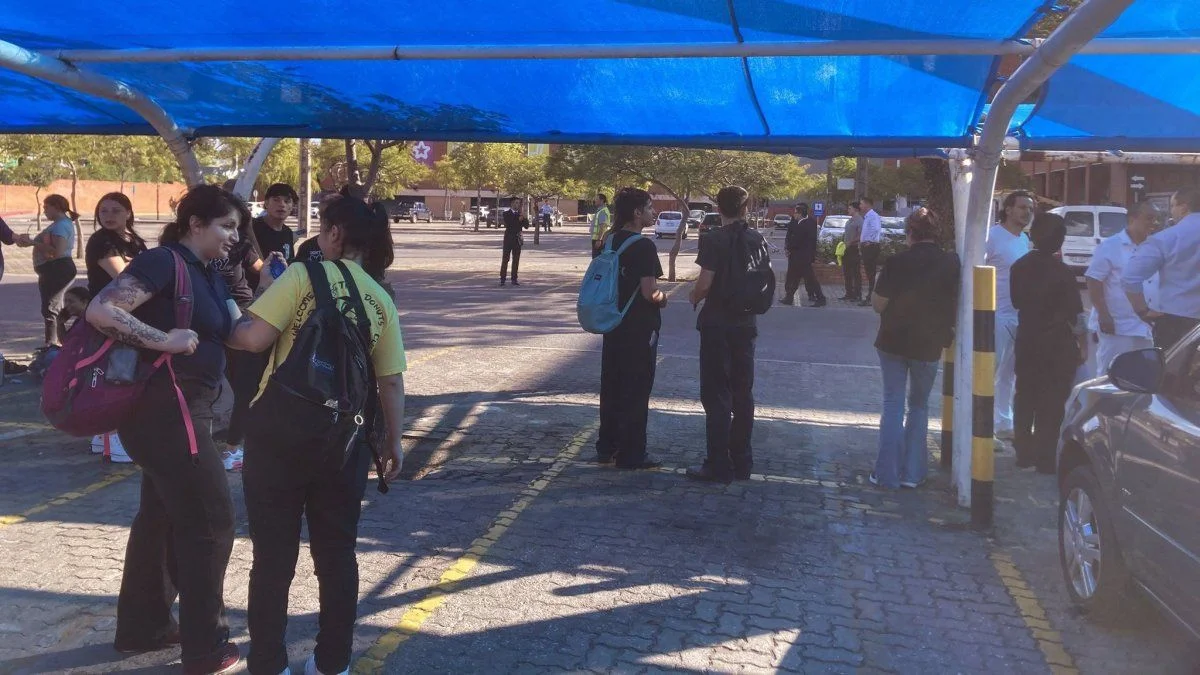
Uruguayan authorities evacuated multiple public spaces last week after seven bomb threats targeted shopping centers, universities, and medical facilities.
The threats arrived via phone calls and emails, including a Sunday message warning of explosives at Montevideo’s Mercado Agrícola, which forced a one-hour closure.
Similar alerts disrupted Portones Shopping and the Catholic University of Uruguay, halting classes in Montevideo, Salto, and Punta del Este. Police arrested three suspects, including a security guard whose phone allegedly sent threats to Montevideo Shopping, and a woman linked to hoaxes at Punta Carretas Shopping.
Investigators suggest some threats aimed to test police response times for planning future crimes. The pattern mirrors tactics in Europe, where false alarms recently targeted schools in Hungary and Spain.
Uruguay’s Interior Ministry confirmed ongoing probes into additional suspects, with one individual sentenced to 120 days in prison. Two others wear ankle monitors under house arrest.
The hoaxes began in February with threats against Casa de Galicia, a cultural center, escalating ahead of October’s national elections. Officials have not linked the threats to political groups but acknowledge their destabilizing effect.
False alarms drained emergency resources and rattled businesses, costing shopping centers hours of operations. Universities postponed exams, while parents withdrew children from schools after anonymous emails.
Security experts warn such tactics erode public trust and divert personnel from urgent duties. Uruguay’s per capita police force, already strained, now juggles routine patrols with bomb squad deployments.
With no explosives found, officials urge calm but face scrutiny over delayed deterrent laws. Prosecutors seek harsher penalties for hoaxes, citing risks to commerce and civic safety. The incidents highlight vulnerabilities in public security infrastructure as criminal strategies evolve.
More: Latin America news in English, every day from The Rio Times.
This article was produced by The Rio Times’ automated newsroom system. How we use AI · Report an error
Read More from The Rio Times