Venezuela: UK to Elevate Diplomatic Relations, Name Envoy
VENEZUELA · DIPLOMACY
Key Facts
-
—
What happened. Britain will raise ties with Venezuela to full ambassador level, minister Chris Elmore announced. -
—
How it fits. London downgraded relations to chargé d’affaires level in 2019 after recognizing Juan Guaidó. -
—
The catch. Britain says the move does not endorse Venezuela’s 2024 elections or any political side. -
—
Who it affects. British citizens and firms in Venezuela, plus Caracas’s push to recover assets held abroad. -
—
What comes next. Caracas wants Britain to release about US$2 billion in gold held at the Bank of England. -
—
The wider picture. Peru, Chile, the Dominican Republic and Israel have also restored ties since Maduro’s capture.
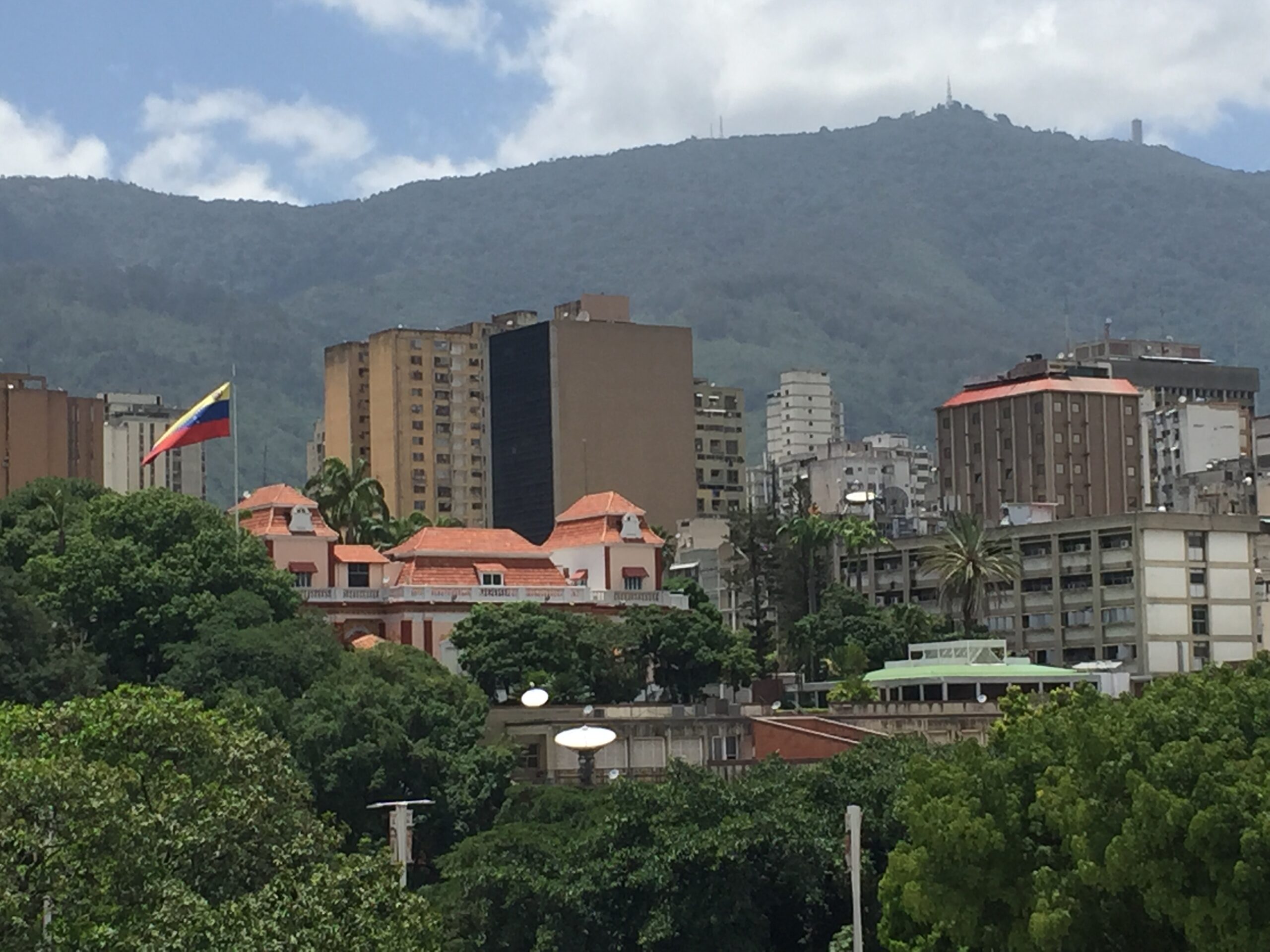
Britain’s Announcement
Chris Elmore, the UK minister for Latin America, told Parliament on Monday that Britain will name a resident ambassador in Caracas. The move elevates relations after more than five years at a lower diplomatic level.
Elmore said the change would let Britain “defend more effectively the respect for human rights” and back Venezuela’s democratic transition. He also cited earthquake recovery and Caribbean regional stability as factors.
Officials were careful to frame the shift narrowly. The written statement said it marks no change in Britain’s assessment of Venezuela’s 2024 elections.
Nor, it added, does the upgrade imply endorsement of either the government or the opposition.
From Guaidó to Rodríguez
Britain downgraded its Venezuela mission in 2019 after recognizing opposition leader Juan Guaidó as interim president. Ambassador Andrew Soper left his post that year and was never formally replaced.
Chargé d’affaires officials, including Becks Buckingham and later Colin Dick, ran day-to-day relations instead. That arrangement lasted through Guaidó’s political decline and Maduro’s eventual capture by US forces in January.
Dick, the outgoing chargé d’affaires, said Britain wants to deepen cooperation on matters of mutual interest.
He listed democratic transition, economic recovery and earthquake reconstruction as shared priorities going forward.
The Gold Question
Venezuela has long pressed Britain to release gold reserves frozen at the Bank of England since 2018. The dispute dates to London’s non-recognition of Maduro’s government that same year.
The reserves are worth roughly US$2 billion. Rodríguez wrote to King Charles III in July asking for their release.
She argued the funds could help finance recovery across the earthquake-hit coastal states.
Vice Foreign Minister Oliver Blanco welcomed the diplomatic upgrade and renewed that appeal. He called for “recuperación de los recursos que pertenecen legítimamente a los venezolanos,” or recovery of resources that legitimately belong to Venezuelans.
Notably, opposition leaders María Corina Machado and Edmundo González Urrutia were not party to this exchange. The gold talks appear to run directly between London and Rodríguez’s government.
Part of a Wider Reset
Britain is not acting alone. Peru, Chile, the Dominican Republic and Israel have all moved to restore or upgrade ties with Caracas since Maduro’s removal.
The reset also reflects domestic change in London. Prime Minister Andy Burnham’s government, formed after a Labour leadership shakeup in July, has pursued a more actively engaged Latin America policy.
Washington’s own posture toward Rodríguez has softened markedly since January. Secretary of State Marco Rubio has described US policy as moving through stabilization, economic recovery and eventual democratic transition.
What It Means for Caracas and London
A resident ambassador gives Britain a stronger platform to press human-rights and business concerns directly. It also signals that London now treats Rodríguez’s government as a durable counterpart, not a caretaker.
For Venezuela, the upgrade offers diplomatic cover and a possible path toward unlocking billions in frozen assets abroad. The gold dispute, however, remains unresolved and could still take months to settle.
British companies with historical interests in Venezuelan energy and mining may also watch the appointment closely. A resident ambassador typically eases the path for commercial re-engagement.
A Cautious, Deliberate Reopening
Britain has stopped short of fully restoring the relationship it had before 2019. No date has been announced for when the new ambassador will actually arrive in Caracas.
Diplomats familiar with the process say London wants to see further progress on political dialogue first. Talks between Jorge Rodríguez, representing the government, and opposition figure Dinorah Figuera have continued intermittently this year.
Britain’s Foreign, Commonwealth and Development Office has framed the upgrade as pragmatic rather than political. Officials argue that a resident ambassador can better protect British interests than a chargé d’affaires operating with limited authority.
Still, the symbolism is hard to ignore. Fewer than two years after Maduro’s government collapsed, one of his fiercest critics in Europe is sending an ambassador back to Caracas.
Why did the UK downgrade relations with Venezuela in the first place?
Britain recognized opposition leader Juan Guaidó as interim president in 2019. It maintained only a chargé d’affaires in Caracas from that point onward.
Does this mean the UK recognizes Venezuela’s 2024 election results?
No. British officials explicitly said the move does not change their assessment of that vote or endorse either political side.
How much Venezuelan gold does Britain hold?
Roughly US$2 billion in reserves sit at the Bank of England, frozen since the 2018 recognition dispute began.
Which other countries have restored ties with Venezuela recently?
Peru, Chile, the Dominican Republic and Israel have all taken similar steps since Maduro’s January capture.
Sources: UK Foreign, Commonwealth and Development Office, Infobae, Efecto Cocuyo, El Pitazo, El Nacional.
More: Venezuela news in English, every day from The Rio Times.
This article was produced by The Rio Times’ automated newsroom system. How we use AI · Report an error
Read More from The Rio Times