USA & Canada Intelligence Brief — Saturday, July 25, 2026
Executive Summary
USA & Canada Intelligence Brief July 25 — Toronto classifies a pre-dawn U.S. consulate shooting as a national security incident while Canada's recession
Rio Times · USA & Canada Intelligence Brief July 25
USA & Canada Intelligence Brief July 25 — Key Facts
—Toronto attack Toronto Police classify the pre-dawn U.S. consulate shooting as a national security incident with two suspects fleeing in a white SUV.
—Montreal violence A gunman killed a police officer and a civilian in Montreal’s Côte-des-Neiges before being killed himself in an incel-linked attack.
—Canada recession BMO Economics confirms Canada’s economy contracted in three of the past four quarters, meeting the technical definition of a recession.
—US growth resilient The U.S. economy is on track for roughly two percent real GDP growth in the second quarter despite conflict and trade headwinds.
—Trade deal uncertainty Washington signals it will not renew the USMCA in its current form, with a continent-wide negotiation deadline looming on July 1, 2026.
—Defence withdrawal The United States is withdrawing from a long-standing joint defence advisory committee with Canada, restructuring bilateral coordination.
USA & Canada Intelligence Brief July 25 — Canada reeled Saturday from a consulate shooting classified as a national-security incident and a Montreal attack that made 2026 its deadliest year for political violence since 2021.
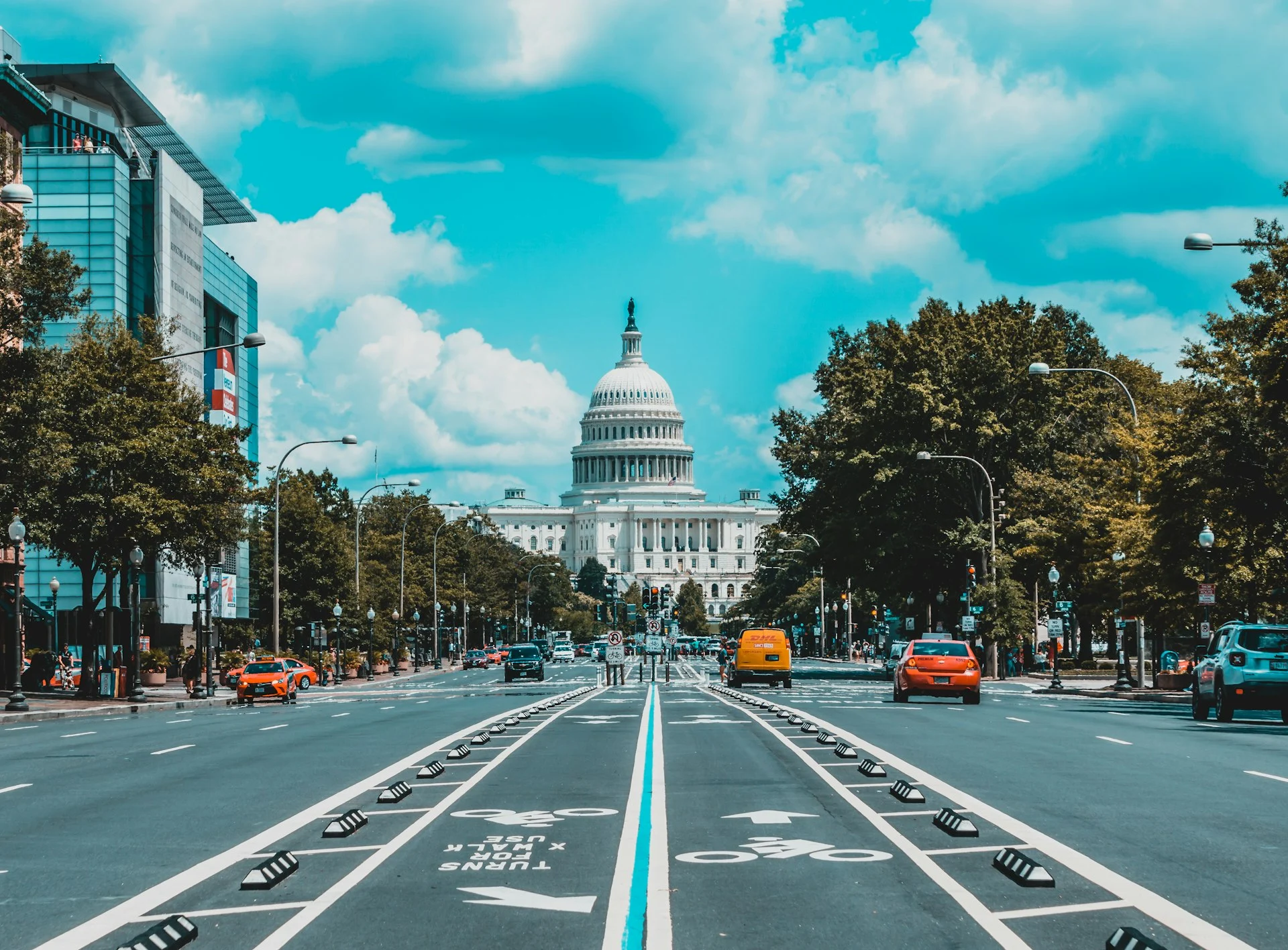
The United States projected resilient growth, though a White House crash, trade uncertainty, and inflation pressures kept the national mood watchful.
Canada — Security and Public Safety Crisis
U.S. Consulate Shooting Classified as National Security Incident
The Toronto Police Service formally classified an early morning shooting at the U.S. consulate as a national security incident on Saturday, with Deputy Chief Frank Barredo confirming two suspects fired multiple handgun rounds from a white SUV before fleeing at approximately 4.30 am.
Investigators are linking the attack to a broader pattern of criminal-for-hire activity orchestrated by organised networks, expanding the probe beyond a single political act and prompting heightened security at all U.S. and Israeli diplomatic facilities across Toronto.
Montreal Gunman Kills Officer in Incel-Linked Attack
A separate deadly shooting in Montreal’s Côte-des-Neiges neighbourhood saw a gunman in military-style clothing kill a police officer and a civilian before being killed himself, with authorities treating the motive as incel ideology.
Data from ACLED confirms that this attack, combined with a February school shooting in Tumbler Ridge, British Columbia, makes 2026 the deadliest year for political violence in Canada since 2021.
United States — White House Security Scare
Driver Crashes into White House Barricade
The U.S. Secret Service detained a driver who intentionally crashed a vehicle into a security barricade near the White House perimeter, with the scene later declared safe and motives still under investigation.
Analysts attribute a rise in such domestic security incidents to heightened public tensions linked to the ongoing U.S. military engagement with Iran.
Psychological Strain Beneath the Surface
While the White House crash caused no injuries, it deepened a sense of watchful anxiety in the capital that contrasts with otherwise resilient economic figures.
Security incidents at diplomatic posts and government buildings are compounding an undercurrent of unease even as consumer spending and tech investment power the broader economy forward.
The region feels deeply bifurcated: the United States projects resilient confidence powered by tech and consumer spending, yet Canada’s mood is one of fragility and shock.
United States — Resilient Economic Growth
Solid GDP Expansion Defies Global Headwinds
BMO Economics reports that the U.S. economy remains on track for another year of solid growth in 2026, with real gross domestic product projected to expand by approximately two percent in the second quarter.
Morningstar DBRS confirms this outlook, pointing to booming technology investment and resilient consumer spending that have so far withstood Middle East conflict and trade uncertainty.
Inflation and Labour Market in the Spotlight
Annual consumer price inflation rose to 3.8 percent in April and likely exceeded four percent in May, driven partly by oil price spikes linked to Strait of Hormuz shipping risks from the Iran conflict.
RBC Economics expects the Federal Reserve to gradually cut the federal funds rate to a range of 3.25 to 3.5 percent by mid-2026 as labour market softening continues, with the S&P Global Flash Composite PMI edging up to 52.2 in June.
Canada — Technical Recession Takes Hold
Economy Contracts in Three of Four Quarters
BMO Economics describes a stark cross-border divergence, noting Canada’s economy has contracted in three of the past four quarters up to the first quarter of 2026, meeting the standard definition of a technical recession.
Public commentary increasingly emphasises that Canada’s economy is shrinking while the United States grows, with declines in exports and business investment recorded during the second quarter.
Tentative Signs of Stabilisation Emerge
Alternative metrics show real gross domestic income rebounded 2.7 percent annualised in the first quarter, offering a tentative sign of stabilisation despite the headline contraction.
Employment rebounded in May with an 87,800 job gain, trimming a prior four-month cumulative loss of 112,300 jobs and lowering the unemployment rate to 6.6 percent from a 7.1 percent peak, though gains were heavily concentrated in health care.
Canada — Bank of Canada Holds Steady Amid Fragility
Key Interest Rate Held at 2.25 Percent
Governor Tiff Macklem and the Bank of Canada have held the key interest rate at 2.25 percent, reflecting caution amid slightly above-target inflation and fragile economic growth.
A National Bank report shows Canada’s consumer price index rose 0.95 percent non-seasonally adjusted in May following a 0.36 percent increase in April, indicating renewed price pressures that complicate any easing.
Fall Budget Concerns Mounting
Morningstar DBRS states that although Canada stagnated in early 2026, growth is projected to pick up in the second half on the back of a stabilising labour market and improved household purchasing power.
Concerns are nevertheless mounting ahead of the upcoming fall budget, with business media highlighting the second-quarter declines in exports and business investment that threaten the recovery narrative.
Canada-United States — Trade and Defence Friction
USMCA Renewal in Doubt
The USMCA trade agreement remains in force until 2036, but the current U.S. administration has signalled it will not renew the deal with Mexico and Canada in its present form, creating deep uncertainty across the continent.
Renewal negotiations face a looming July 1, 2026 deadline, with Washington and Ottawa racing to update the framework while ongoing U.S. tariff pressures include a 25 percent measure on Canada imposed in February 2025 on fentanyl and immigration grounds.
U.S. Withdraws from Joint Defence Committee
The United States is withdrawing from a long-established joint defence advisory committee with Canada, signalling a notable restructuring of formal bilateral defence coordination between the two neighbours.
In a separate symbolic shift, the Canadian government announced that the Snowbirds aerobatic squadron will cease operations after the 2026 flying season as Ottawa moves to modernise its ageing air fleet.
United States — Legal and Rights Shifts
Supreme Court Narrows Religious-Rights Claims
The U.S. Supreme Court has ruled that a Rastafarian inmate cannot sue prison guards who forcibly shaved his head, narrowing the avenues for religious-rights claims in correctional settings.
Allies of independent presidential candidate Robert F. Kennedy Jr. are separately petitioning the Supreme Court to expand free-speech protections for anti-vaccine physicians, seeking to let doctors more easily challenge mainstream medical guidance publicly.
Demonstrations Decline but Extremist Activity Shifts
ACLED data shows 599 demonstration events in the United States in the latest period, a 32 percent decrease from the prior month, while Canada recorded 110 events, down 31 percent.
Despite an overall decline, far-right organisations including Patriot Front and Active Club Network participated in more anti-LGBTQ+ demonstrations in June 2026 than in all of 2025, signalling a shift in focus rather than a retreat.
Canada — Energy Ambitions and Infrastructure Pledges
Carney Pushes Pacific Coast Pipeline
Prime Minister Mark Carney is advancing a Pacific Coast pipeline from Alberta to diversify oil exports away from the United States, with internal polls showing a majority of Canadians now support a West Coast pipeline.
The federal government has separately committed three billion Canadian dollars to replace the aging Massey Tunnel near Vancouver, aiming to improve congestion and seismic resilience in a critical corridor.
Shock at U.S. Human-Rights Report on Ally
The U.S. State Department has released its latest human-rights report on Canada, which is being widely discussed in Ottawa political circles and has contributed to a narrative of shock over Washington’s public assessment of a close ally.
The diplomatic friction compounds a moment when Canada faces a recession, a consulate attack, and the deadliest year for political violence since 2021, leaving the national mood shaken and vulnerable.
The Bigger Picture
Saturday laid bare a North America pulling in opposite directions: the United States chugged along on consumer and tech strength even as security scares nudged anxiety higher, while Canada grappled with the raw shock of a consulate shooting classified as a national-security incident and a recession now undeniable in the data.
Toronto Police Deputy Chief Frank Barredo’s confirmation that the pre-dawn U.S. consulate attack was part of a criminal-for-hire pattern deepened the sense of vulnerability, and the Montreal incel-linked killing of a police officer pushed 2026 into the record books as Canada’s deadliest year for political violence in half a decade.
On the economic front, the widening gulf between two percent American growth and a Canadian contraction in three of four quarters dominated boardroom and policy conversations, with a USMCA renewal deadline, fresh U.S. defence withdrawal, and the Bank of Canada’s frozen rate all feeding a mood of fragility north of the border.
USA & Canada Intelligence Brief July 25: What We Are Watching
- Today — Canada April GDP release will confirm whether the downturn is deepening or stabilising.
- Today — U.S. Conference Board Consumer Confidence for June arrives as a key sentiment bellwether.
- Today — U.S. JOLTS job openings for May will be scrutinised for Fed rate-cut timing clues.
- This week — USMCA renewal negotiations intensify ahead of the looming July 1 deadline.
- This week — Toronto Police and CSIS probe into the consulate attack may yield arrests.
- This week — Further U.S. Federal Reserve signals on the expected path to 3.25–3.5 percent rates.
- This week — Fallout from the U.S. State Department human-rights report on Canada continues in Ottawa.
- This week — Bank of Canada holds steady at 2.25 percent as markets watch for any shift in tone.
Go Deeper
The full USA & Canada Intelligence Dossier — the interactive risk dashboard, the six people who matter and the downloadable PDF — is updated daily by the Rio Times Intelligence Desk.
The USA & Canada Intelligence Brief July 25 returns tomorrow morning.