Uganda Nears Key Milestone in Oil Pipeline Project
Uganda’s oil and gas sector nears a significant milestone with the East African Crude Oil Pipeline (EACOP) project. Ruth Nankabirwa, Uganda’s Minister of Energy and Mineral Development, remains optimistic.
She acknowledges the challenges in securing debt financing for the pipeline’s construction. This development is crucial, as Uganda plans to start oil production by 2025.
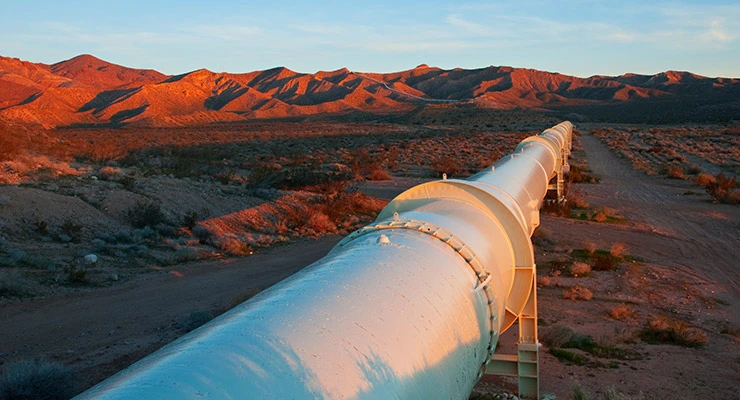
The EACOP project, valued at $4 billion, will stretch 1,445 kilometers. It will run from Uganda’s Lake Albert oilfields to Tanzania’s Tanga port.
The pipeline aims to transport up to 216,000 barrels of oil daily. However, securing the $1.2 billion in debt financing has proven challenging. Environmental concerns have led many European financiers to withdraw.
Despite these hurdles, Nankabirwa remains hopeful. Recent discussions with Chinese financial institutions suggest potential support. This could bridge the financing gap. Uganda’s oil reserves are substantial.
The country has an estimated 6.5 billion barrels in place, with 1.4 billion barrels recoverable. Completing the pipeline is crucial for unlocking this economic potential.
Environmental and social concerns also loom large. The pipeline’s route crosses sensitive ecosystems, including Lake Victoria’s freshwater basin. This impacts millions reliant on these resources.
Critics warn of potential displacement and biodiversity threats. EACOP has pledged to mitigate its environmental impact. They plan to electrify pumping stations and incorporate renewable energy.
Economically, the EACOP project promises significant benefits. It could enhance infrastructure, create jobs, and attract foreign investment.
The project also fosters regional cooperation between Uganda and Tanzania. However, success depends on balancing economic goals with environmental responsibilities.
As Uganda approaches financial closure, the decisions made will have lasting impacts. These will affect both the economy and the environment.
The EACOP project tests Uganda’s ability to responsibly harness its natural resources. It also addresses global environmental concerns.
More: Tanzania news in English, every day from The Rio Times.
This article was produced by The Rio Times’ automated newsroom system. How we use AI · Report an error · Editorial responsibility: Matthias Camenzind, Editor-in-Chief
Part of our ongoing coverage
Africa: The New Scramble — the great-power contest over the continent.