
UGANDA · ECONOMY
Key Facts
- The country Uganda, a coffee-exporting East African nation, is watching its shilling weaken against the US dollar.
- What happened Uganda’s statistics office said annual inflation jumped to 5.8% in October 2026, released Friday 30 October.
- Versus last month September’s reading was 4.6%, so prices accelerated by 1.2 percentage points in one month.
- The drivers Food-crop inflation hit 10.7% from 4.5%, while core inflation rose to 4.4% from 3.7%.
- The response The central bank raised its key rate to 12.0% from 9.75% at a special meeting on Wednesday 14 October.
Uganda’s annual inflation rate leapt to 5.8% in October 2026, the Uganda Bureau of Statistics (UBOS), the government’s statistics office, said on Friday 30 October. That is up from the 4.6% recorded in September, and it is the fastest pace since June 2023.
For US readers, the jump shows how a weaker currency and dearer oil are feeding through to prices in a frontier market (a small, less developed financial market) that sells coffee to the world and buys fuel from it. It also tests the central bank’s decision to raise its rate by 2.25 percentage points two weeks ago, a move we explained in our report on the shilling’s 33-year low.
What Happened
UBOS said the 12-month rise in consumer prices reached 5.8% in October, up from 4.6% in September and 4.1% in August. Food-crop prices rose 10.7% over the year compared with 4.5% a month earlier.
Core inflation, which strips out volatile items such as raw food and fuel, rose to 4.4% from 3.7%. That is still under the central bank’s medium-term core target of 5%, but it is closing in fast.

The Shilling Is Behind It
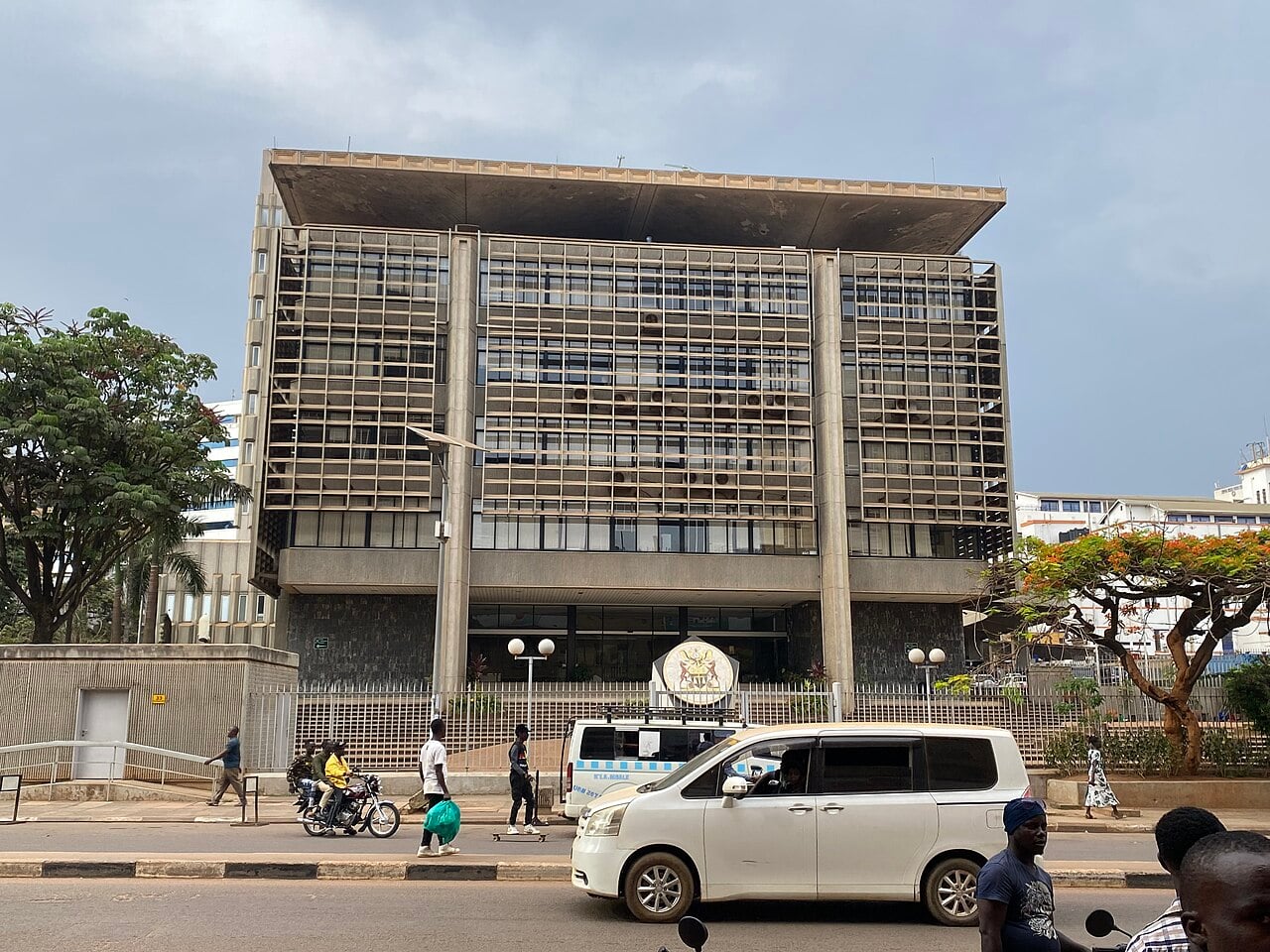
A UBOS official, Samuel Echoku, head of macroeconomic statistics, said that currency depreciation and higher fuel prices contributed to the increase. The Bank of Uganda, the country’s central bank, said on Wednesday 14 October that the weaker shilling was already raising pump prices, and that cost pressure was beginning to spread beyond food.
The central bank blamed the escalation of the conflict in the Middle East, which raised oil prices and shipping costs and pushed money out of frontier markets. It said Uganda’s current account deficit, the gap between what the country earns abroad and what it spends, widened by US$1.4 billion to US$4.6 billion.
The Central Bank’s Forecast
The Bank of Uganda raised its key rate, the Central Bank Rate, by 225 basis points, or 2.25 percentage points, to 12.0% at a special meeting on Wednesday 14 October. Its forecast now sees headline inflation averaging 7.0% to 7.5% over the next 12 months and core inflation 5.5% to 6.0%.
The bank also cut its growth outlook for the financial year 2026/27 to 6.0% to 6.5%, down from 7.0% to 7.5%. It said the risks to inflation are tilted to the upside.
What It Means for You
If you hold Ugandan government bonds or lend in shillings, a policy rate of 12.0% pays more but signals that inflation is a bigger threat than a month ago. A weaker shilling also cuts the US dollar value of local returns.
If you send money to family in Uganda, the shilling you send buys fewer goods than a few months ago. Visitors will find fuel, transport and food costing more, though the exact effect depends on how the shilling trades.
What Would Change the Picture
A fall in world oil prices or a calmer Middle East would ease the pressure on fuel and the shilling. A good harvest would pull food-crop prices down from their 10.7% pace.
If the shilling slides again, pump prices and imported goods would rise further. The central bank could then raise its rate beyond 12.0%.
What Is Not Known
It is not known whether the rate rise of 14 October is enough to calm the currency. The bank’s own forecast of 7.0% to 7.5% headline inflation would be well above October’s 5.8%, so more increases may still come.
The monthly price change and the full breakdown by item were not available when we published. It is also unclear how much of the jump will fade if food-crop prices ease.
More: Uganda news in English, every day from The Rio Times.
Frequently Asked Questions
What Is Uganda’s Inflation Rate for October 2026?
It is 5.8%, up from 4.6% in September, according to the Uganda Bureau of Statistics. It is the fastest pace since June 2023.
Why Did Uganda’s Inflation Jump?
Food-crop prices rose 10.7% and a weaker shilling pushed up fuel costs. The central bank also points to the Middle East conflict and higher oil prices.
What Did the Bank of Uganda Do?
It raised its key rate to 12.0% from 9.75% at a special meeting on 14 October 2026. It now expects headline inflation of 7.0% to 7.5% over the next 12 months.
Sources: Uganda Bureau of Statistics, Consumer Price Index, October 2026, released 30 October 2026; Uganda Bureau of Statistics, Consumer Price Index, September 2026, 30 September 2026; Bank of Uganda, Monetary Policy Statement for October 2026, 14 October 2026.
Editorial responsibility: Matthias Camenzind, Editor-in-Chief · Editorial standards · Report an error
LatAm Markets: Live Signals → — real-time movers, turnover leaders and FX across Latin America.