IBOV 185,500.88 ▼ 0.91% IPSA 11,342.39 ▲ 1.09% IPC MEX 64,216.98 ▲ 0.46% MERVAL 3,084,547 ▼ 0.46% COLCAP 2,588.25 ▼ 0.06% BVL PERÚ 59,184.75 ▼ 0.92% USD/BRL5.15▼ 0.09% USD/MXN17.18▲ 0.24% USD/CLP959.00▲ 1.75% USD/COP3,107▲ 0.51% USD/PEN3.36▼ 0.07% USD/ARS1,508▼ 0.08% USD/UYU40.20▼ 0.15% USD/PYG5,985▲ 1.38% USD/BOB11.45▼ 4.42% USD/DOP58.60▼ 0.42% USD/CRC444.07▼ 0.78% USD/GTQ7.62▼ 0.07% USD/HNL26.85— 0.00% USD/NIO36.62▲ 2.77% USD/VES840.10▼ 0.13% USD/PAB1.00— 0.00% USD/BZD2.00— 0.00% USD/JMD 157.28 — 0.00% USD/TTD6.74▼ 0.08% EUR/BRL5.94▲ 0.29% BRENT 88.88 ▼ 0.03% WTI 83.11 ▼ 0.11% IRON ORE 161.91 — — COPPER 6.61 ▲ 0.03% GOLD 4,461 ▲ 1.78% SILVER 65.59 ▲ 1.26% SOY 1,184 ▲ 3.20% CORN 480.50 ▲ 10.02% WHEAT 655.00 ▲ 3.93% COFFEE 317.25 ▼ 5.51% SUGAR 16.43 ▼ 1.79% ORANGE JUICE 138.55 ▼ 0.47% COTTON 85.03 ▲ 2.33% COCOA 5,719 ▲ 3.18% BEEF 223.60 ▼ 3.93% CATTLE 339.10 ▼ 3.16% LITHIUM 75.20 ▲ 1.47% PETR4 41.64 ▼ 0.05% VALE3 72.97 ▲ 0.83% ITUB4 38.60 ▼ 1.03% BBDC4 16.85 ▲ 0.36% ABEV3 14.89 ▼ 0.80% BBAS3 19.37 ▲ 0.47% B3SA3 14.26 ▼ 0.21% WEGE3 47.59 ▲ 0.49% PRIO3 59.14 ▼ 0.19% SUZB3 41.33 ▲ 2.35% RENT3 34.68 ▼ 0.09% AZZA3 15.89 ▼ 2.63% CSAN3 3.22 ▼ 1.83% RAIZ4 0.25 — 0.00% PCAR3 2.75 ▼ 0.36% GMAT3 3.65 ▼ 1.08% PSSA3 48.13 ▼ 0.54% CVCB3 1.33 ▼ 2.92% POSI3 3.36 ▲ 2.44% SLCE3 13.34 ▲ 0.30% NATU3 8.14 ▼ 0.73% IBOV 185,500.88 ▼ 0.91% IPSA 11,342.39 ▲ 1.09% IPC MEX 64,216.98 ▲ 0.46% MERVAL 3,084,547 ▼ 0.46% COLCAP 2,588.25 ▼ 0.06% BVL PERÚ 59,184.75 ▼ 0.92% USD/BRL 5.16 ▲ 0.01% USD/MXN 17.06 ▼ 0.24% USD/CLP 913.98 ▲ 0.04% USD/COP 3,140 ▲ 0.03% USD/PEN 3.36 ▼ 0.66% USD/ARS 1,493 ▲ 0.10% USD/UYU 40.27 ▲ 1.24% USD/PYG 5,939 ▲ 1.68% USD/BOB 11.64 ▼ 0.76% USD/DOP 58.34 ▲ 1.25% USD/CRC 445.92 ▲ 0.89% USD/GTQ 7.62 ▲ 2.21% USD/HNL 26.79 ▲ 1.57% USD/NIO 36.62 ▲ 0.69% USD/VES 762.44 ▼ 0.13% USD/PAB 1.00 — 0.00% USD/BZD 2.00 — 0.00% USD/JMD 157.28 — 0.00% USD/TTD 6.70 ▲ 0.61% EUR/BRL 5.95 ▲ 1.01% BRENT 88.88 ▼ 0.03% WTI 83.11 ▼ 0.11% IRON ORE 161.91 — — COPPER 6.61 ▲ 0.03% GOLD 4,461 ▲ 1.78% SILVER 65.59 ▲ 1.26% SOY 1,184 ▲ 3.20% CORN 480.50 ▲ 10.02% WHEAT 655.00 ▲ 3.93% COFFEE 317.25 ▼ 5.51% SUGAR 16.43 ▼ 1.79% ORANGE JUICE 138.55 ▼ 0.47% COTTON 85.03 ▲ 2.33% COCOA 5,719 ▲ 3.18% BEEF 223.60 ▼ 3.93% CATTLE 339.10 ▼ 3.16% LITHIUM 75.20 ▲ 1.47% PETR4 41.64 ▼ 0.05% VALE3 72.97 ▲ 0.83% ITUB4 38.60 ▼ 1.03% BBDC4 16.85 ▲ 0.36% ABEV3 14.89 ▼ 0.80% BBAS3 19.37 ▲ 0.47% B3SA3 14.26 ▼ 0.21% WEGE3 47.59 ▲ 0.49% PRIO3 59.14 ▼ 0.19% SUZB3 41.33 ▲ 2.35% RENT3 34.68 ▼ 0.09% AZZA3 15.89 ▼ 2.63% CSAN3 3.22 ▼ 1.83% RAIZ4 0.25 — 0.00% PCAR3 2.75 ▼ 0.36% GMAT3 3.65 ▼ 1.08% PSSA3 48.13 ▼ 0.54% CVCB3 1.33 ▼ 2.92% POSI3 3.36 ▲ 2.44% SLCE3 13.34 ▲ 0.30% NATU3 8.14 ▼ 0.73%
since 2009
Tuesday, September 15, 2026

U.S. Court Finds Google’s Search Monopoly Unlawful: A Milestone in Tech Regulation

By · August 6, 2024 · 2 min read

The LatAm Brief

One email, every weekday morning. What moved in Latin American markets, politics and expat life.

Yesterday’s subject line: “Brazil's Supreme Court judges one of its own”

Free. We send a confirmation link first — nothing arrives until you click it. Unsubscribe with one click in any edition. If you stop opening us for 30 days we stop sending by ourselves, as we assume the interest is no longer there. See our privacy policy. We never share your email.

In a landmark decision, a U.S. judge ruled that Google’s dominant position in the search engine market constitutes an illegal monopoly.

This significant judgment underscores a pivotal shift in regulating major technology firms and fostering a competitive digital ecosystem.

For years, Google has led the search engine market with an overwhelming 89.2% share, which escalates to 94.9% on mobile devices. Such dominance has sparked widespread concern over its potential to hinder competition and innovation.

Judge Amit Mehta’s thorough 277-page analysis brings to light several issues. Firstly, it asserts Google’s monopolistic tactics aimed at maintaining market dominance.

The ruling specifically points out Google‘s billion-dollar expenditures to remain the default search engine across various platforms as a central element of its strategy. These actions, according to the judge, have significantly limited the competitive landscape.
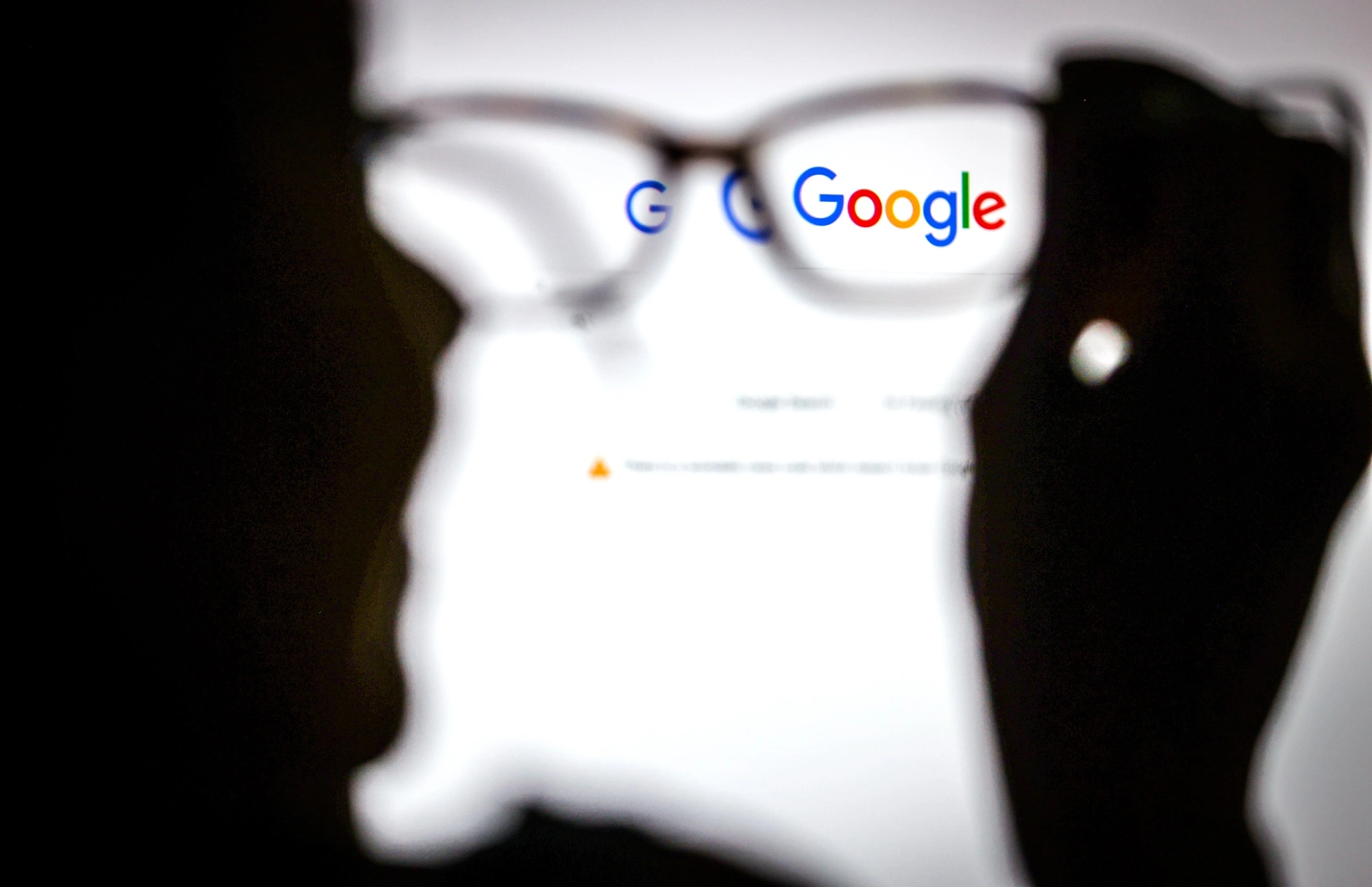
U.S. Court Finds Google's Search Monopoly Unlawful: A Milestone in Tech Regulation
U.S. Court Finds Google’s Search Monopoly Unlawful: A Milestone in Tech Regulation.
One-stop reference
Company Intelligence
Every listed company in Latin America — financials, ownership and structure for 1,450+ companies across 26 exchanges, in one place.
Browse the directory →
RT
Ask Rio Times
17 years of Latin America reporting, on demand.
Open the full Ask Rio Times →

This ruling poses profound challenges for Google and its parent company, Alphabet, potentially prompting major organizational changes or even a breakup of its entities.

Google’s Search Advertising Business at Risk

Google’s search advertising business, a major revenue stream that generated nearly $240 billion last year, stands at risk. Moreover, Google plans to appeal, potentially escalating the matter to the U.S. Supreme Court.

This decision may benefit competitors like Microsoft’s Bing and DuckDuckGo. It would provide them with a more level playing field in the search market.

It could also influence the competitive dynamics within AI-powered search technologies. This case is deemed the most consequential antitrust lawsuit since the 1998 action against Microsoft.

That lawsuit similarly dealt with monopoly issues and opened opportunities for new tech players, including Google itself.

Although this ruling is specific to the U.S., it reflects a global push toward regulating big tech entities to ensure fair competition.

The court’s decision sets the stage for further proceedings to determine suitable remedies or penalties.

This could include breaking up Google’s business segments, imposing restrictions on its spending for default search positions, and fostering a more competitive market.

In essence, this ruling marks a crucial moment in the ongoing discourse on big tech’s influence over market competition.

As the case advances through potential appeals and remedy determinations, its outcomes could significantly alter the landscape of online search and digital advertising.

In short, this impact would affect not just Google but also its competitors and consumers globally.

This article was produced by The Rio Times’ automated newsroom system. How we use AI · Report an error

Read More from The Rio Times

The Rio Times · Power Map
See who really holds power in Latin America
Click to open the Power Map

Rotate for Best Experience

This report is optimized for landscape viewing. Rotate your phone for the full experience.