On October 18, 2023, the United Nations Security Council convened to decide on a critical issue.
Brazil proposed a resolution aimed at addressing the Israel-Hamas conflict. While the proposal garnered much support, a veto from the United States led to its downfall.
This report elaborates on the events that unfolded during the meeting.
The Voting Process
Brazil’s resolution received broad support from multiple nations. A total of 12 countries voted in favor, highlighting the consensus on the issue.
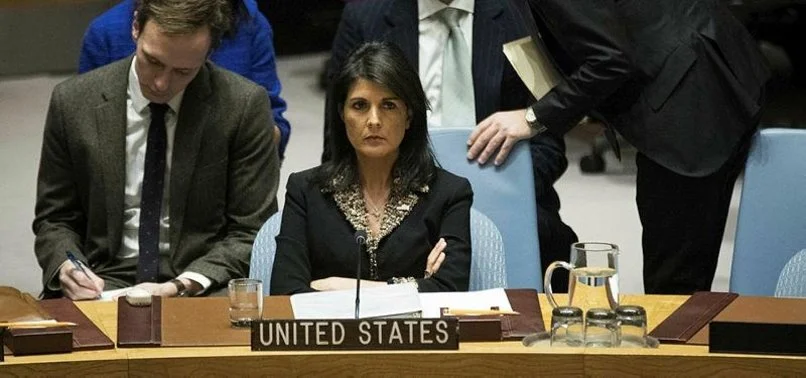
However, the vote took a pivotal turn when the United States cast their ballot. Holding veto power, the U.S. single-handedly shot down the proposal by voting against it.
Additionally, two nations opted for abstention, not taking a clear stance.
The Impact of the Veto
On October 18, 2023, the United Nations Security Council convened to decide on a critical issue.
The U.S. veto was decisive. Although 12 countries showed approval, the proposal needed unanimous consent from all permanent members.
As the United States is one such member, their “No” vote automatically resulted in the resolution’s failure.
In summary, Brazil’s attempt to resolve the Israel-Hamas conflict through the UN Security Council ended abruptly.
Despite gaining strong support, the proposal did not pass, primarily due to the U.S. veto.
The outcome underlines the powerful role that permanent members hold in shaping global diplomacy.
More: Brazil news in English, every day from The Rio Times.
This article was produced by The Rio Times’ automated newsroom system. How we use AI · Report an error
Read More from The Rio Times