How Brazil Turns Venezuelan Migration into Economic Growth
As Venezuelan refugees continue to escape economic turmoil, many American nations respond with fences and guards. In contrast, Brazil welcomes these migrants warmly.
So far, 7.7 million Venezuelans have fled the once-prosperous nation now facing severe economic challenges.
Brazilian officials issue visas at the northern border, employers propose job openings, and the government even pays for airfares to move migrants to far-flung regions.
With Brazil being the fourth-largest host to Venezuelans, this stance has notable economic effects.
Brazil’s strategy boosts its labor force, particularly in sectors that Brazilian citizens often avoid.
This influx also energizes Brazil’s key export industry: agriculture.
The government has relocated over 114,000 Venezuelan migrants, who now work in essential fields such as large meat processing firms, uplifting Brazil’s robust agribusiness sector.
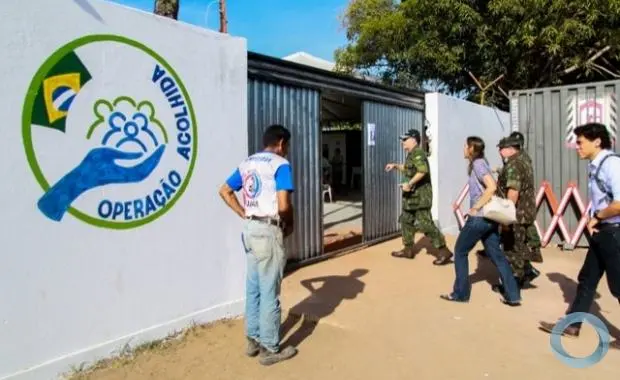
For these migrants, finding work helps them assimilate, although the jobs often involve long hours in isolated areas.
This situation prompts questions about addressing a persistent humanitarian issue that isn’t abating anytime soon.
Unique Method
Brazil’s unique method focuses on actively placing newcomers in jobs—a tactic persisting through various political regimes.
As per the reports released by Operação Acolhida, an initiative involving the Brazilian government, UN agencies, and numerous local and international partners, the total number of Venezuelans arriving in Brazil up to April 2023 stands well over 1 million.
Brazil’s more relaxed immigration policies have effectively capitalized on the economic strengths of these migrants, ensuring they add value rather than strain resources.
As Brazil’s economy grows, the United States grapples with its own strategy for handling increased migration from nations like Venezuela, Cuba, Nicaragua, and Haiti.
Compared to the U.S., Brazil’s system is viewed as more efficient at rapidly integrating immigrants into gainful employment.
Brazil’s relocation program offers migrants better economic prospects and encourages further migration, aligning closely with the demands of local job markets.
Although not all Venezuelan migrants benefit from this initiative, many attain stability and a fresh start, distancing themselves from the struggles they left behind in Venezuela.
More: Brazil news in English, every day from The Rio Times.
This article was produced by The Rio Times’ automated newsroom system. How we use AI · Report an error
Read More from The Rio Times