Trump–Xi Call Puts Rare Earths at Center of U.S.–China Trade Standoff
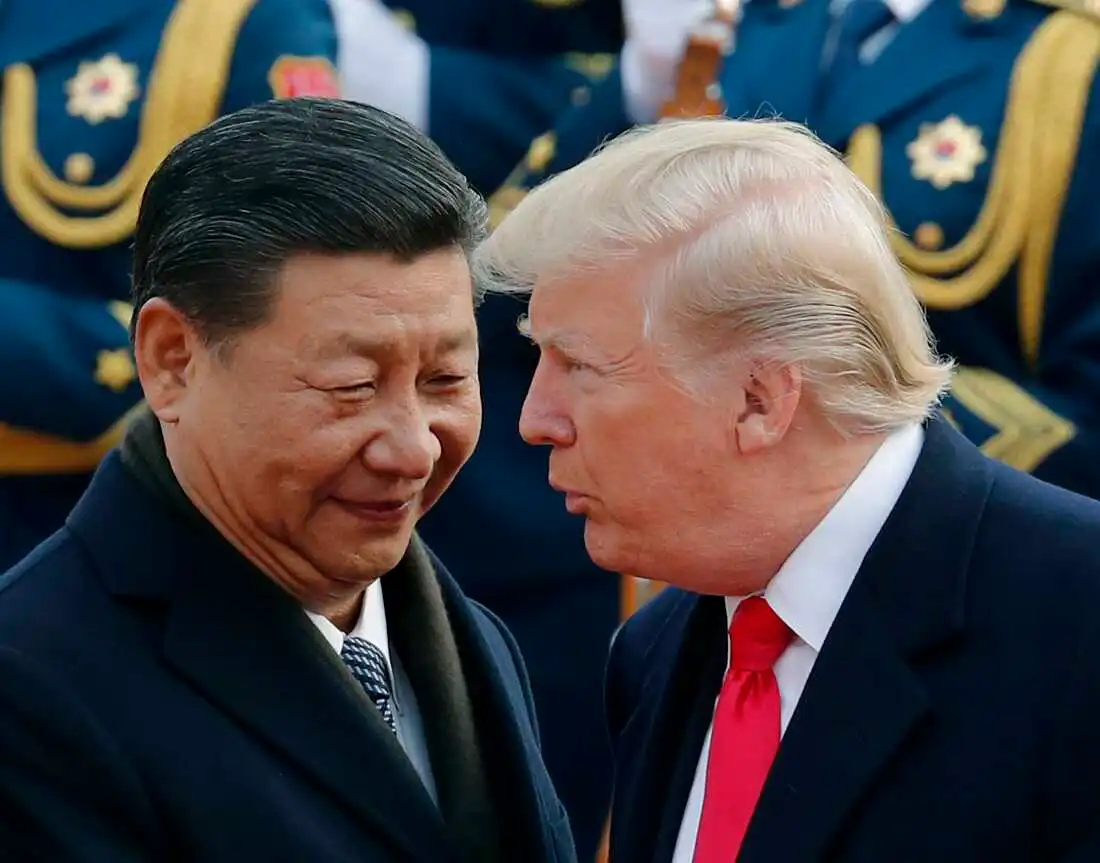
President Donald Trump and President Xi Jinping held a phone call on June 5, 2025, aiming to address the escalating trade dispute between the United States and China.
Both leaders focused almost entirely on trade, with rare earth minerals as the main point of contention. Official statements from both governments confirmed that the conversation lasted ninety minutes and that delegations will meet soon to continue negotiations.
China currently produces about 90% of the world’s rare earth elements and processes over 90% of these materials. These minerals are vital for electric vehicles, advanced electronics, and military hardware.
In April 2025, China imposed strict export controls on a wide range of rare earths and related magnets. The new licensing system has approved only about 25% of export requests, according to the European Association of Automotive Suppliers.
Many applications were rejected on procedural grounds, which has slowed global supply chains and created uncertainty for manufacturers. The United States relies heavily on China for rare earth imports.
From 2020 to 2023, 70% of U.S. rare earth compounds and metals came from China, according to the U.S. Geological Survey. The only U.S. rare earth mine, located in California, still sends heavy rare earths to China for processing.
The Trump administration responded to China’s export controls by raising tariffs on Chinese imports and seeking to strengthen domestic supply chains. China’s export restrictions serve several purposes.
They give Beijing leverage in trade talks, support domestic manufacturing by keeping more value-added production at home, and protect national security interests. Many rare earths have both civilian and military uses, making them strategically important.
The timing of the controls coincided with new U.S. tariffs, signaling that China can disrupt global supply chains if pressured. The phone call did not resolve the dispute.
Trump described the conversation as positive and said there should be no more questions about the complexity of rare earth products. However, neither side announced any concrete changes to export controls or tariffs.
Both leaders invited each other to visit their respective countries, but the core issues remain. This standoff matters because rare earths are essential to modern industry and defense.
Disruptions in supply can halt production in key sectors and raise prices for consumers. The ongoing dispute highlights the risks of depending on a single country for critical materials.
This article was produced by The Rio Times’ automated newsroom system. How we use AI · Report an error
Read More from The Rio Times