Trinidad Will Bring the ZOSO Bill Back as the Emergency Ends. The Senate Threw It Out in January.
TRINIDAD AND TOBAGO · SECURITY
Key Facts
- —The announcement The homeland security minister told the House on 12 September the bill will return.
- —The emergency It ends on 17 September 2026 and will not be extended.
- —The history Passed the House 27 to 11 on 17 January, then defeated in the Senate on 27 January.
- —The threshold It needed 19 Senate votes for a three-fifths majority and received 15.
- —What it does The prime minister declares a zone for up to 180 days, with cordons, curfews and warrantless search.
- —The catch It is not law. Several outlets report it as passed, and it was not.
Blanket emergencies have a constitutional ceiling. Targeted zones are the government’s proposed replacement.
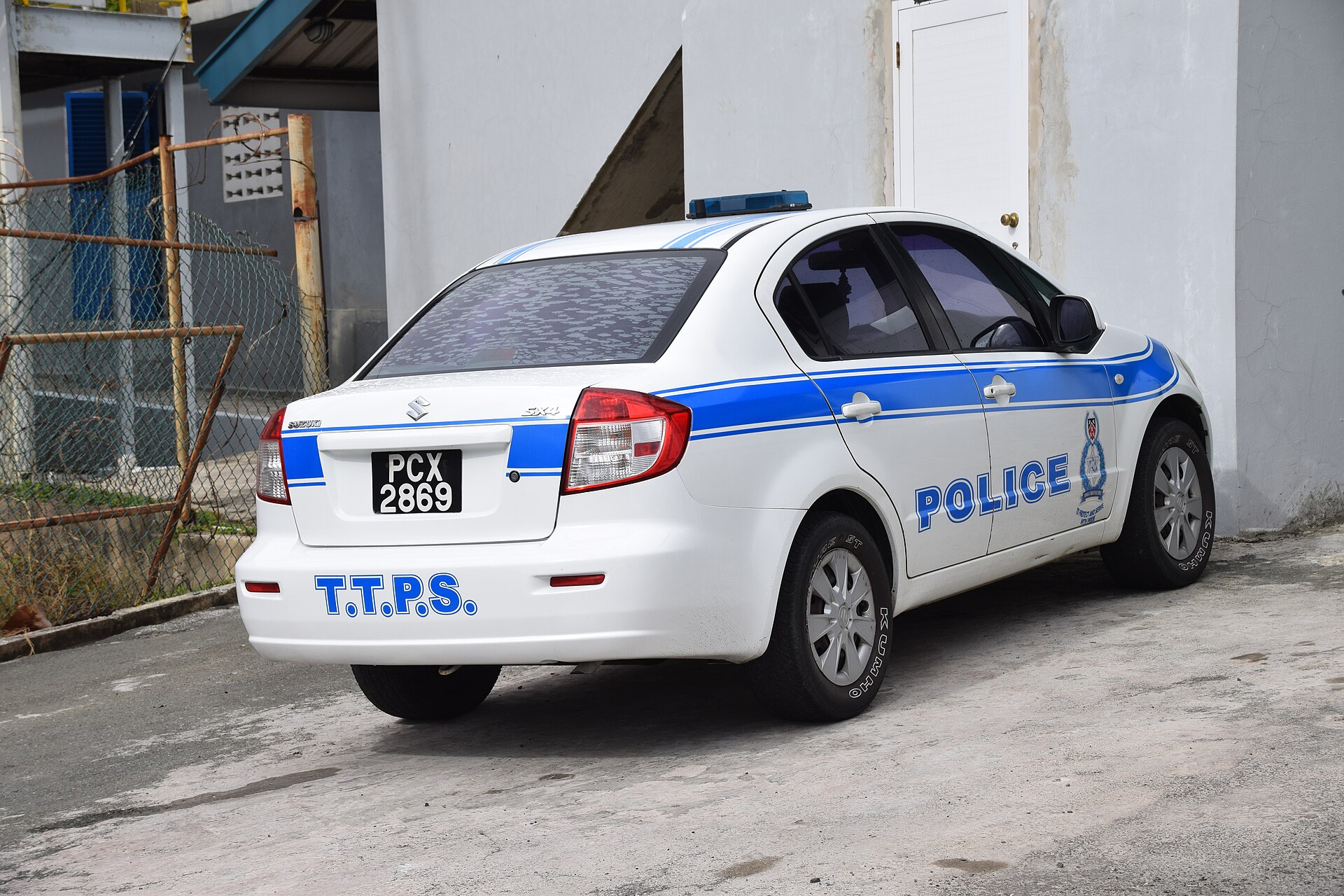
Trinidad and Tobago’s government will return the ZOSO bill to parliament. The homeland security minister, Roger Alexander, told the House on 12 September 2026.
He said the same day that the state of emergency would not be extended. It ends on 17 September.
What Happened the First Time
The attorney general announced the plan on 14 January 2026 and introduced the bill two days later. The House of Representatives passed it on 17 January by 27 votes to 11.
It then went to the Senate and failed. The bill needed 19 votes for a three-fifths special majority.
It received 15 government votes against 14, with one abstention. That is a majority of those voting and a long way short of the threshold.
So the bill never became law. This point needs stating because several regional outlets report otherwise.
One headline says Trinidad and Tobago passed the act, and its own text refers only to the House vote. An opinion column in a Trinidad paper also describes the bill as passed.
Neither is reliable on enactment status. The Senate defeat of 27 January is the operative fact.
Why It Needs a Special Majority
Clause 3 of the bill states that the act operates notwithstanding constitutional inconsistency. That is what forces the three-fifths requirement in both chambers.
In plain terms, the government is asking parliament to authorise measures that would otherwise breach constitutional rights. Trinidad’s constitution permits this with a heavy enough majority.
That is also why the opposition’s votes are decisive. A government with an ordinary majority cannot pass it alone.
What the ZOSO Bill Would Permit
The prime minister would declare a zone, on grounds of rampant criminality or threats to the rule of law. Zone orders would last up to 180 days and be renewable.
Inside a zone, cordons could run for up to 24 hours and curfews for up to 72. Police could search persons, vehicles and places without a warrant on reasonable suspicion.
Detention would be subject to magistrate review, with remand up to 48 hours. Joint command pairs a military officer of at least major rank with a police superintendent.
Two provisions cut the other way. Body-worn cameras would be mandatory, and each zone would have a social transformation committee for community development.
There is no sunset clause. Parliamentary review is required no later than three years after the first zone is declared.
The Emergency It Would Replace
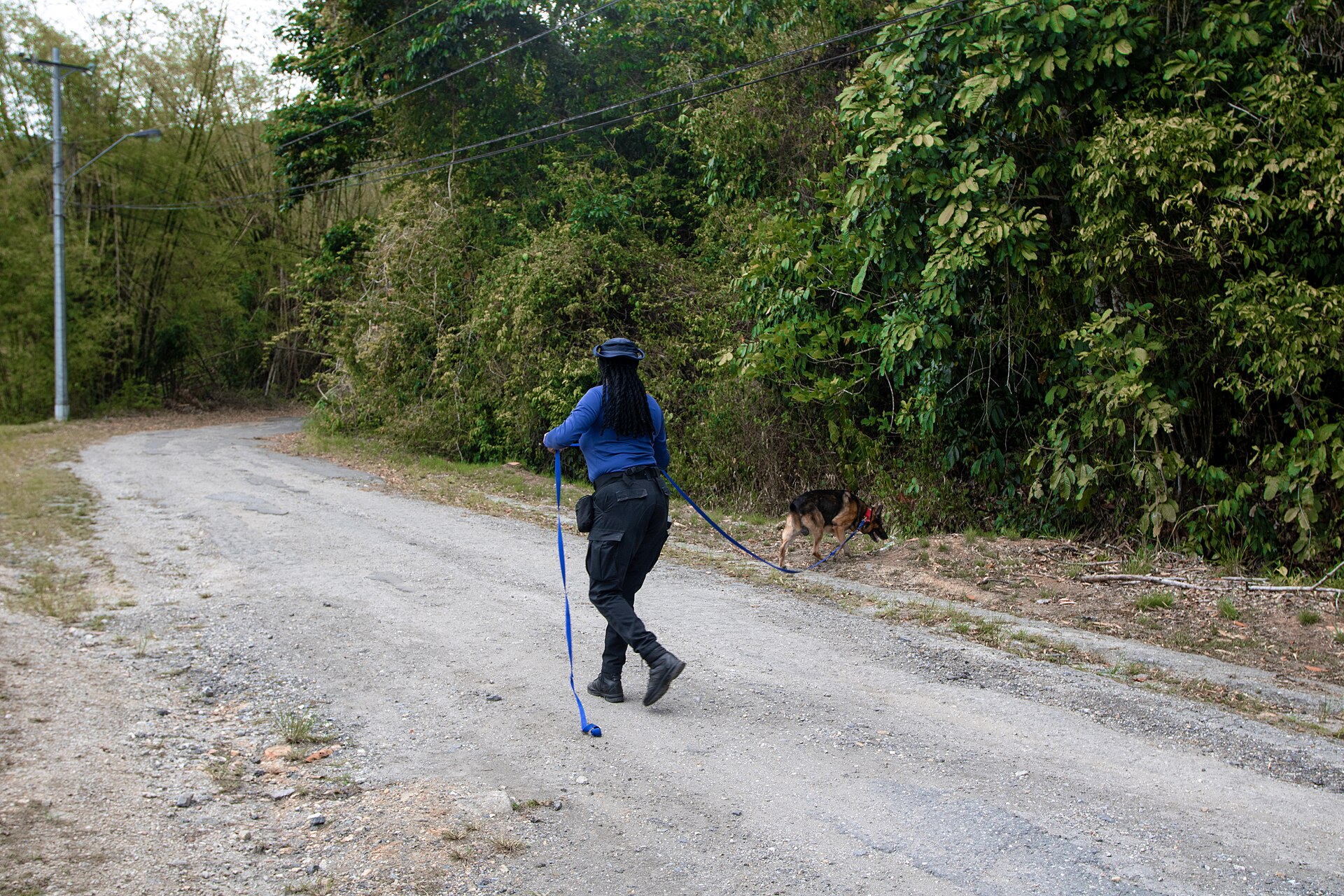
A previous state of emergency ended on 31 January 2026. A new one was declared on 3 March.
The prime minister requested it from the president after a national security council meeting. The stated basis was credible evidence linking criminal gangs and former detainees to a crime surge following the January expiry.
The government’s own figures for the earlier emergency period claim murders fell 42%, from 626 in 2024 to 369 in 2025. It also cites violent crime down 15% and vehicle theft down 21%.
The argument for zones is structural rather than about those numbers. A nationwide emergency has a constitutional ceiling and cannot be renewed indefinitely.
Targeted zones with judicial oversight and time limits are offered as a durable substitute. The attorney general framed it as locking in the gains.
The Jamaican Model
The attorney general cited Jamaica explicitly. Jamaica established zones of special operations under a 2017 act combining enhanced security with community development.
The two countries’ bills share almost the same statutory title, which is a real source of confusion. Trinidad’s is its own bill with its own parliamentary record.
Whether Jamaica’s zones worked is contested in the evaluation literature. No reliable outcome statistics were produced in the Trinidadian debate.
That absence is worth noting. A model is being imported without published evidence of what it achieved.
What Is Unresolved
The number of people currently detained under the emergency has not been published. Nor is it clear what happens to them on 17 September.
The end date rests on a single newspaper report of the minister’s statement. A second confirmation would be worth having.
No date has been set for the ZOSO bill to return to the House. Nothing indicates the arithmetic in the Senate has changed since January.
More: Caribbean news in English, every day from The Rio Times.
Frequently Asked Questions
Is the ZOSO bill law in Trinidad and Tobago?
No. It passed the House of Representatives 27 to 11 on 17 January 2026 but was defeated in the Senate on 27 January, receiving 15 of the 19 votes needed for a three-fifths majority.
What would it allow?
The prime minister to declare a zone for up to 180 days, with cordons of up to 24 hours, curfews of up to 72 hours, warrantless search on reasonable suspicion, and remand up to 48 hours subject to magistrate review.
When does the state of emergency end?
On 17 September 2026. The homeland security minister said on 12 September that it would not be extended.
Why does it need a special majority?
Because the bill states that it operates notwithstanding constitutional inconsistency. Trinidad’s constitution allows that only with a three-fifths majority in both chambers.
Is this the same as Jamaica’s law?
It is modelled on Jamaica’s 2017 act and shares almost the same statutory title, but it is a separate Trinidadian bill with its own parliamentary record.
Sources: Trinidad Express of 12 September 2026, the text of the bill as published by the Parliament of Trinidad and Tobago, Trinidad Guardian and the Jamaica Observer.
This article was produced by The Rio Times’ automated newsroom system. How we use AI · Report an error
Read More from The Rio Times