South Africa’s position on the Gaza conflict has led to a notable strain in trade relations with Israel.
Israeli companies recently stopped importing South African grapes, signaling potential broader boycotts against South African businesses due to Pretoria’s stance.
This situation emerged after South Africa accused Israel of genocide against Palestinians at the UN’s International Court of Justice, which then directed Israel to prevent acts of genocide in Gaza.
The Congress of South African Trade Unions (COSATU) has urged the government to shield its workforce from the fallout of this trade dispute.
Matthew Parks, COSATU’s spokesman, emphasized safeguarding South African jobs while advocating for global sanctions on Israel.
Significantly, coal and diamonds are key South African exports to Israel. In 2022, more than half of South Africa’s coal and a significant portion of its diamonds were sent to Israel.
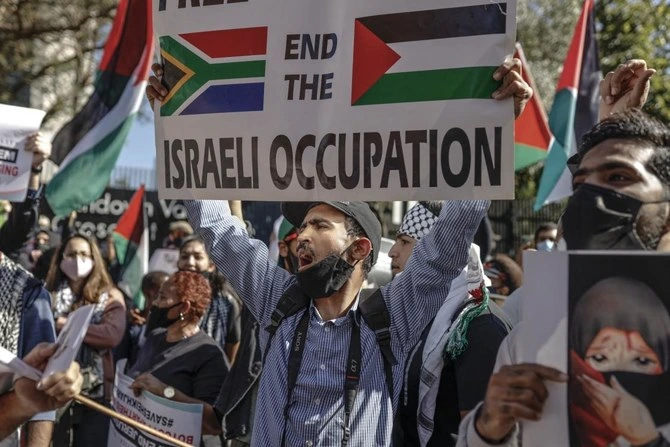
Tense diplomatic ties: South Africa recalled diplomats from Tel Aviv, and parliament considers closing Israel’s embassy in Pretoria.
Boycott risk manageable for South Africa, but greater concern lies in potential impact on trade relations with the United States.
The U.S., a long-standing ally, could respond to South Africa’s stance.
AGOA import restrictions unlikely due to U.S. reliance on South African minerals and impact on manufacturers..
Beyond Israel and the U.S., South Africa’s relations with the European Union could also be affected.
The country’s foreign policy stance, especially in the wake of Russia’s actions in Ukraine, has led to deteriorated relations with both the U.S. and EU.
This development underscores the delicate balance South Africa must maintain in its foreign policy and international trade relations.
Interconnected global politics and economics enable decisions in one area to exert far-reaching consequences elsewhere.
More: South Africa news in English, every day from The Rio Times.
This article was produced by The Rio Times’ automated newsroom system. How we use AI · Report an error
Part of our ongoing coverage
Africa: The New Scramble — the great-power contest over the continent.
Read More from The Rio Times