IBOV 183,223.75 ▲ 0.13% IPSA 11,064.58 ▼ 0.66% IPC MEX 64,944.41 ▼ 0.07% MERVAL 2,771,311 ▼ 0.99% COLCAP 2,565.60 ▼ 0.53% BVL PERÚ 60,220.45 ▲ 0.02% USD/BRL5.22▼ 0.16% USD/MXN18.08▲ 0.46% USD/CLP973.02▲ 0.48% USD/COP3,326▲ 0.70% USD/PEN3.44▼ 0.07% USD/ARS1,524▼ 0.05% USD/UYU40.27▲ 3.67% USD/PYG5,843▲ 2.30% USD/BOB11.96▲ 0.45% USD/DOP59.20▲ 2.63% USD/CRC452.68▲ 2.68% USD/GTQ7.64▲ 3.13% USD/HNL26.87▲ 3.23% USD/NIO36.62▲ 2.65% USD/VES855.74▼ 0.13% USD/PAB1.00— 0.00% USD/BZD2.00— 0.00% USD/JMD 157.28 — 0.00% USD/TTD6.70▲ 1.64% EUR/BRL5.91▲ 0.29% BRENT 88.88 ▼ 0.03% WTI 83.11 ▼ 0.11% IRON ORE 161.91 — — COPPER 6.61 ▲ 0.03% GOLD 4,461 ▲ 1.78% SILVER 65.59 ▲ 1.26% SOY 1,184 ▲ 3.20% CORN 480.50 ▲ 10.02% WHEAT 655.00 ▲ 3.93% COFFEE 317.25 ▼ 5.51% SUGAR 16.43 ▼ 1.79% ORANGE JUICE 138.55 ▼ 0.47% COTTON 85.03 ▲ 2.33% COCOA 5,719 ▲ 3.18% BEEF 223.60 ▼ 3.93% CATTLE 339.10 ▼ 3.16% LITHIUM 75.20 ▲ 1.47% PETR4 41.64 ▼ 0.05% VALE3 72.97 ▲ 0.83% ITUB4 38.60 ▼ 1.03% BBDC4 16.85 ▲ 0.36% ABEV3 14.89 ▼ 0.80% BBAS3 19.37 ▲ 0.47% B3SA3 14.26 ▼ 0.21% WEGE3 47.59 ▲ 0.49% PRIO3 59.14 ▼ 0.19% SUZB3 41.33 ▲ 2.35% RENT3 34.68 ▼ 0.09% AZZA3 15.89 ▼ 2.63% CSAN3 3.22 ▼ 1.83% RAIZ4 0.25 — 0.00% PCAR3 2.75 ▼ 0.36% GMAT3 3.65 ▼ 1.08% PSSA3 48.13 ▼ 0.54% CVCB3 1.33 ▼ 2.92% POSI3 3.36 ▲ 2.44% SLCE3 13.34 ▲ 0.30% NATU3 8.14 ▼ 0.73% IBOV 183,223.75 ▲ 0.13% IPSA 11,064.58 ▼ 0.66% IPC MEX 64,944.41 ▼ 0.07% MERVAL 2,771,311 ▼ 0.99% COLCAP 2,565.60 ▼ 0.53% BVL PERÚ 60,220.45 ▲ 0.02% USD/BRL 5.16 ▲ 0.01% USD/MXN 17.06 ▼ 0.24% USD/CLP 913.98 ▲ 0.04% USD/COP 3,140 ▲ 0.03% USD/PEN 3.36 ▼ 0.66% USD/ARS 1,493 ▲ 0.10% USD/UYU 40.27 ▲ 1.24% USD/PYG 5,939 ▲ 1.68% USD/BOB 11.64 ▼ 0.76% USD/DOP 58.34 ▲ 1.25% USD/CRC 445.92 ▲ 0.89% USD/GTQ 7.62 ▲ 2.21% USD/HNL 26.79 ▲ 1.57% USD/NIO 36.62 ▲ 0.69% USD/VES 762.44 ▼ 0.13% USD/PAB 1.00 — 0.00% USD/BZD 2.00 — 0.00% USD/JMD 157.28 — 0.00% USD/TTD 6.70 ▲ 0.61% EUR/BRL 5.95 ▲ 1.01% BRENT 88.88 ▼ 0.03% WTI 83.11 ▼ 0.11% IRON ORE 161.91 — — COPPER 6.61 ▲ 0.03% GOLD 4,461 ▲ 1.78% SILVER 65.59 ▲ 1.26% SOY 1,184 ▲ 3.20% CORN 480.50 ▲ 10.02% WHEAT 655.00 ▲ 3.93% COFFEE 317.25 ▼ 5.51% SUGAR 16.43 ▼ 1.79% ORANGE JUICE 138.55 ▼ 0.47% COTTON 85.03 ▲ 2.33% COCOA 5,719 ▲ 3.18% BEEF 223.60 ▼ 3.93% CATTLE 339.10 ▼ 3.16% LITHIUM 75.20 ▲ 1.47% PETR4 41.64 ▼ 0.05% VALE3 72.97 ▲ 0.83% ITUB4 38.60 ▼ 1.03% BBDC4 16.85 ▲ 0.36% ABEV3 14.89 ▼ 0.80% BBAS3 19.37 ▲ 0.47% B3SA3 14.26 ▼ 0.21% WEGE3 47.59 ▲ 0.49% PRIO3 59.14 ▼ 0.19% SUZB3 41.33 ▲ 2.35% RENT3 34.68 ▼ 0.09% AZZA3 15.89 ▼ 2.63% CSAN3 3.22 ▼ 1.83% RAIZ4 0.25 — 0.00% PCAR3 2.75 ▼ 0.36% GMAT3 3.65 ▼ 1.08% PSSA3 48.13 ▼ 0.54% CVCB3 1.33 ▼ 2.92% POSI3 3.36 ▲ 2.44% SLCE3 13.34 ▲ 0.30% NATU3 8.14 ▼ 0.73%
since 2009
Tuesday, September 29, 2026

The Grim Reality of Lynchings in Bolivia

By · May 17, 2024 · 2 min read

The LatAm Brief

One email, every weekday morning. What moved in Latin American markets, politics and expat life.

Yesterday’s subject line: “Argentina gives Britain two weeks over Falklands oil”

Free. We send a confirmation link first — nothing arrives until you click it. Unsubscribe with one click in any edition. If you stop opening us for 30 days we stop sending by ourselves, as we assume the interest is no longer there. See our privacy policy. We never share your email.

In the small town of Ivirgarzama, Bolivia, a harrowing event unfolded that shed light on the stark realities of community justice in areas where state law enforcement is minimal.

A mob tied three semi-naked men to palm trees in the town’s main square. The authorities accused them of child abductions, highlighting the longstanding issue in the region.

The crowd subjected these men to beatings and verbal abuse. Eventually, one of the men was doused in gasoline and set on fire, while the other two were beaten to death outside the town.

Free daily brief — no card needed
Get every Bolivia story in one morning email
We build you a personalized brief around the topics you follow — free for 7 days. Love it? Your first month after that is US$1.

This violent act of vigilante justice highlights a broader societal issue that prevails in certain rural areas of Bolivia.

The Chapare region, known for its coca plantations and as a cradle for political figures like former President Evo Morales, is one of Bolivia’s economically richer rural areas due to the coca trade.
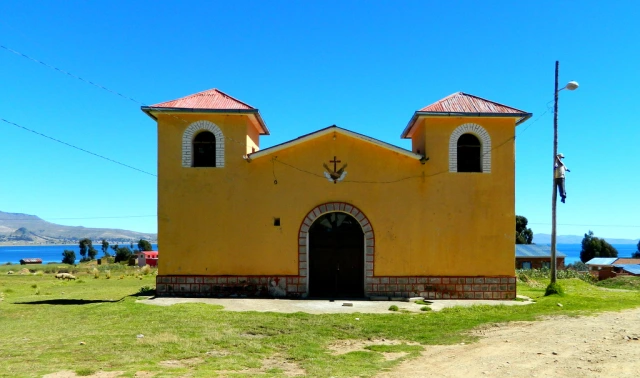
The Grim Reality of Lynchings in Bolivia
The Grim Reality of Lynchings in Bolivia.
One-stop reference
Company Intelligence
Every listed company in Latin America — financials, ownership and structure for 1,450+ companies across 26 exchanges, in one place.
Browse the directory →
RT
Ask Rio Times
17 years of Latin America reporting, on demand.
Open the full Ask Rio Times →

However, there is also a significant lack of police presence, with about 25 officers for a population nearing 400,000.

This scarcity is partly due to political decisions by the Movement for Socialism (MAS) to allow community self-regulation, often extending into realms of illegal practice.

The incident in Ivirgarzama is not an isolated one. Bolivia has witnessed nearly 200 cases of lynching between 2005 and 2011.

This phenomenon often stems from weak state institutions and a communal culture that sometimes takes justice into its own hands.

Even in the outskirts of major cities like La Paz and Potosí, the local community warns newcomers of potential death penalties.

In addition, this is often communicated through symbols like rag dolls hanging from light poles.

Vigilante justice trends raise questions about balancing community self-regulation with effective state governance.

Challenges in Pursuing Justice

The government has condemned the recent events in Ivirgarzama, prompting an investigation.

However, this investigation faces a “pact of silence,” complicating efforts to bring those responsible to justice.

The movie “Tribus” by director Gory Patiño explores this incident and Bolivia’s broader lynching context.

In addition, the film brings to light the brutal realities of such vigilante justice through cinema.

These events highlight the urgent need for addressing the gaps in legal and law enforcement frameworks in Bolivia.

It’s essential to ensure that justice is served through proper legal channels rather than through mob rule, which can lead to tragic outcomes.

This article was produced by The Rio Times’ automated newsroom system. How we use AI · Report an error

Read More from The Rio Times

The Rio Times · Power Map
See who really holds power in Latin America
Click to open the Power Map →

Rotate for Best Experience

This report is optimized for landscape viewing. Rotate your phone for the full experience.