Bolivia’s Currency Quandary: Struggling Through Dollar Shortages
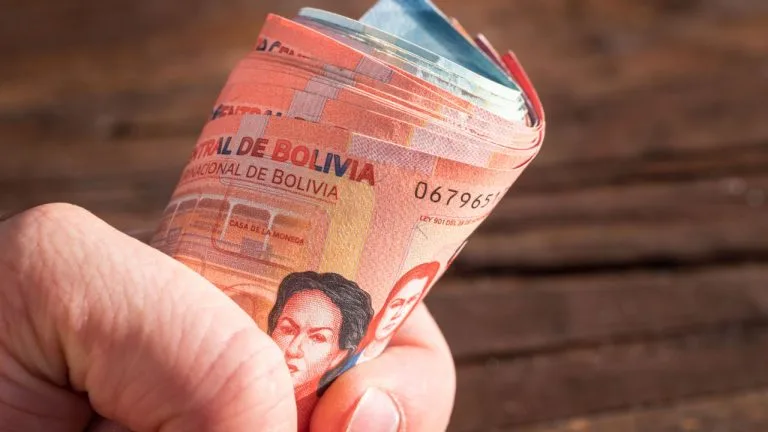
Bolivia is caught in a tight grip of dollar scarcity, leading to a tangled web of parallel exchange rates, much like the economic scenes in Argentina and Venezuela.
This crisis has sparked various market adaptations, impacting transactions from everyday purchases to significant investments.
Economists in Bolivia identify at least four different exchange rates in the shadow markets. These range from rates for border transactions to those for buying real estate or vehicles.
Jonathan Fortun, a noted macroeconomist, confirmed this trend during his recent visit to Bolivia. He observes that such multiple exchange rates are typical in countries grappling with a dollar draught.
This scarcity triggers speculative behaviors, disturbing the local economy’s rhythm. For example, prices for essentials like olive oil and pharmaceuticals have rocketed.
The tech sector isn’t spared either, with gadgets and appliances becoming pricier and harder to find.
State-controlled entities lead Bolivia’s exports, mainly in hydrocarbons and mining. Meanwhile, the private sector, including agriculture and coffee, struggles under government pressure.
They must convert their dollar revenues at a less favorable official rate, squeezing their profit margins.
In response, the Bolivian government has set measures to ease these pressures. It mandates exporters to repatriate all their earnings and imposes capital controls to manage foreign spending.
Navigating Bolivia’s Currency Crisis
Despite these efforts, Fortun hints at emerging rates like a ‘tourist dollar,’ signaling ongoing market evolution.
Jaime Dunn, an international financial analyst, highlights a bustling parallel market with as many as 14 different exchange rates.
The central bank’s non-intervention policy forces banks to buy dollars at a premium from exporters, further complicating the financial landscape.
Bolivia’s journey through this currency crisis reflects deeper economic challenges.
It underscores the delicate balance between controlling foreign currency flows and maintaining economic stability.
As Bolivia maneuvers through these turbulent waters, its strategies and their outcomes will resonate well beyond its borders, offering lessons on managing dollar scarcity in a globalized economy.
More: Bolivia news in English, every day from The Rio Times.
This article was produced by The Rio Times’ automated newsroom system. How we use AI · Report an error
In depth
Read More from The Rio Times