The Disappearing Internet: Why Digital Memory Matters More Than Ever
(Analysis) In an age where the internet serves as our collective memory, rising censorship and disruptions are beginning to erase pieces of our digital history. Recent events have highlighted how fragile this memory can be, raising concerns about transparency, accountability, and access to information.
Over the past few years, internet censorship has intensified. Social media platforms, embroiled in legal battles and public scrutiny, have ramped up content moderation. Podcasters and content creators find themselves navigating increasingly complex guidelines, often avoiding topics that could trigger sanctions.
Some, like Brownstone, have migrated from mainstream platforms like YouTube to alternatives such as Rumble. While this move preserves their ability to share content, it often comes at the cost of reaching a broader audience.
The challenge isn’t limited to outright bans. Subtle algorithmic changes by tech giants like Google, Facebook, and YouTube affect searchability and visibility. Content from certain sources can become harder to find, diminishing the diversity of viewpoints accessible to the public.
For instance, Joe Rogan’s interview with Donald Trump reportedly garnered well over 30 million of views but became difficult for some users to locate or watch on certain platforms. Rogan responded by sharing the content on X (formerly Twitter), highlighting the lengths to which creators must go to reach their audiences.
The Silent Erosion of Digital Archives
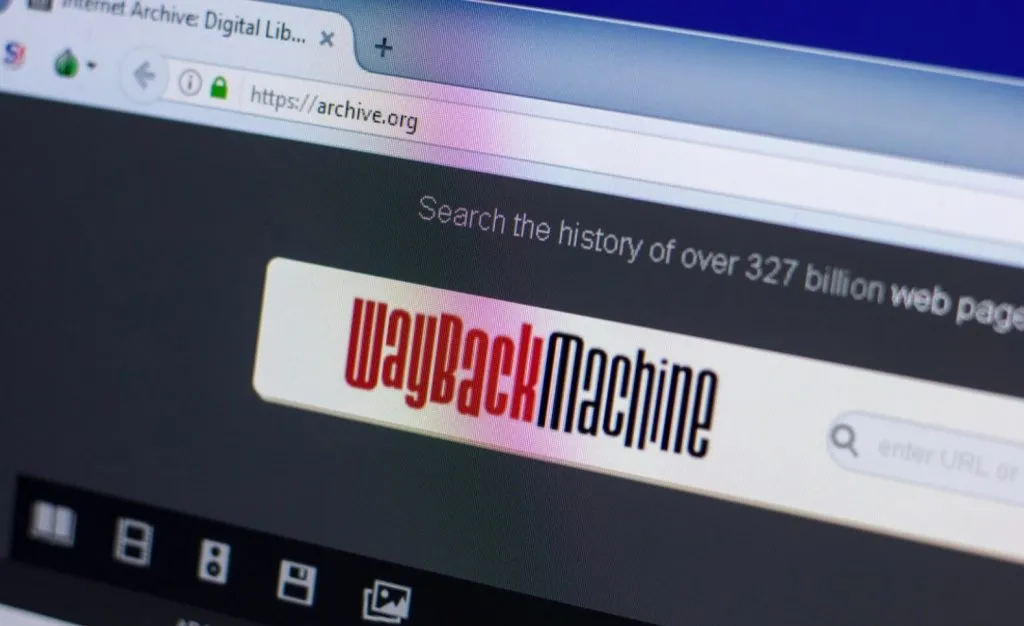
Behind these high-profile cases lies a more insidious problem: the undermining of our digital memory. Archive.org, a cornerstone of internet archiving since 1996, experienced a significant disruption in October 2024.
A massive Distributed Denial-of-Service (DDoS) attack on October 8 crippled the service, forcing it into a read-only mode. While the archiving processes continued in the background, new snapshots were not publicly accessible for weeks.
This outage couldn’t have come at a worse time. The weeks leading up to major elections are critical for researchers, journalists, and citizens seeking to verify information and hold institutions accountable.
With the Wayback Machine—the tool that allows users to see archived versions of web pages—partially offline, tracking changes and comparing past statements became substantially more challenging.
Archive.org assured that archiving continued and that they would restore services, but they did not specify an exact timeline. This gap in publicly accessible archives severely limited our ability to verify and understand the evolution of web content for a critical period.
A Confluence of Concerning Changes
The disruption at Archive.org isn’t an isolated incident. Around the same time, Google phased out its cached page feature, which had allowed users to view saved versions of web pages directly from search results.
This tool was invaluable for accessing information that might have been altered or removed. Additionally, Alexa Internet—a service that ranked websites based on traffic—was discontinued by Amazon in 2022 without a successor, further reducing transparency into web dynamics.
These developments, when viewed collectively, suggest a troubling trend in how information is controlled and accessed online. The increased content moderation efforts globally between 2020 and 2023 have compounded these issues, leading to a more constrained and less verifiable information landscape.
Implications for Society and Democracy
The erosion of digital memory has profound implications. Without reliable archives, journalists and researchers struggle to track changes in official narratives, policies, or corporate communications.
This lack of transparency hampers accountability and can lead to a less informed public discourse. The narrowing of accessible viewpoints online contributes to echo chambers and can exacerbate divisions within society.
Trust in institutions may wane as people find it harder to access or verify information. Key tools for transparency, when disrupted or discontinued, fuel skepticism and undermine confidence in the integrity of information shared by governments and organizations.
The Need for Collective Action
These challenges underscore the importance of maintaining an open and accessible internet. The Declaration for the Future of the Internet advocates for a multi-stakeholder approach, involving governments, academia, civil society, the private sector, and technical communities in governance and decision-making.
Preserving our digital memory requires concerted efforts from all these parties to reinforce the infrastructure that safeguards our collective history. As Archive.org works to restore its services, it’s a stark reminder of our reliance on such platforms.
The internet was built on principles of openness and the free flow of information. Upholding these values is essential, not just for preserving the past but for ensuring transparency and accountability in the present and future.
The Disappearing Internet: Why Digital Memory Matters More Than Ever
This article was drafted with automated assistance and reviewed before publication. How we use AI · Report an error
Read More from The Rio Times