Asia Intelligence Brief — Thursday, November 5, 2026
Executive Summary
Asia Intelligence Brief for November 5: Joshua Wong gets 10 years, North Korea fires missiles, Indonesia grows 5.47% and Taiwan guards its vote.
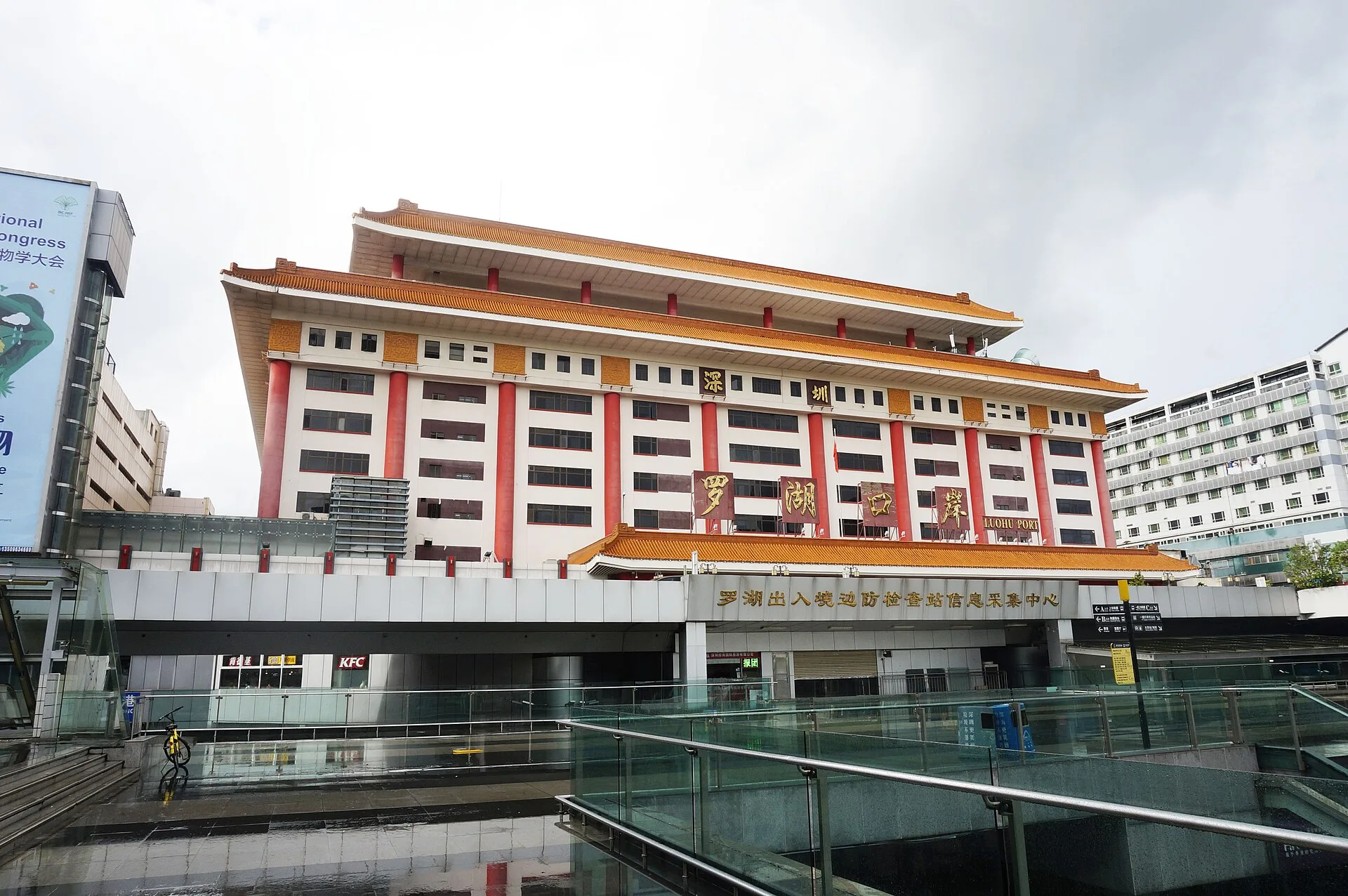
Asia on Thursday feels like a region that is tightening its grip on dissent while the world watches the next big summit. A Hong Kong courtroom and a missile range off Korea both show governments enforcing their own version of order.
The register is firm, procedural and slightly anxious: Beijing speaks through verdicts and Pyongyang through launches. Ordinary people appear mostly as defendants, voters or victims of smoke rather than as speakers.
The through-line is who is allowed to say no. Hong Kong’s courts punished a refusal, and North Korea refused diplomacy.
Key Facts
Hong Kong verdict. A Hong Kong court sentenced democracy activist Joshua Wong to 10 years for colluding with foreign entities.
Missile launch. North Korea fired several missiles towards its eastern waters on 4 November.
Taiwan vote. Taiwan holds its election on Saturday 28 November.
Indonesian growth. Indonesia’s economy grew 5.47 per cent in the third quarter, above the 5.2 per cent forecast.
APEC summit. Leaders meet in Shenzhen on Wednesday 18 and Thursday 19 November.
China And Hong Kong: Dissent Gets A Price Tag
A Hong Kong court sentenced Joshua Wong, 30, the city’s best-known democracy activist, to 10 years in prison on 5 November for colluding with foreign entities under the National Security Law, the Taipei Times reported. He had pleaded guilty in September to the charge, which concerned a 2020 call for foreign sanctions, and he was already serving a sentence from an earlier case.
For a US reader, the verdict is a reminder that Hong Kong’s security law reaches activists who asked other governments, including Washington, for pressure. It also lands two weeks before Beijing welcomes foreign leaders to Shenzhen, a city on Hong Kong’s doorstep, and the timing says that Beijing sees no need to soften its image first.
Taiwan: Guarding The Ballot Before The Summit
The mood in Taipei is watchfulness rather than panic, the posture of a democracy that treats its own voting as something worth defending. Every precaution carries a quiet message that the island intends to decide its affairs for itself.
For a US reader, the tension is that a small, open society sits beside a large neighbour that prefers silence from it. How Taiwan protects trust in its elections therefore says something about how any open system copes with pressure from outside.
The Korean Peninsula: Missiles As Punctuation
South Korea’s Joint Chiefs of Staff said North Korea fired several missiles towards its eastern waters on 4 November, hours after Pyongyang said it saw no need to sit face to face with Washington. North Korea called US accusations that its hackers stole US$6.3 billion from the Binance exchange a sign of American hostility, so the launch reads as an answer to that charge.
The pattern is familiar and deliberate, since Pyongyang tends to answer words with weapons and to treat silence at the table as strength. The register is cold, and the message seems aimed as much at its own public as at Washington.
Indonesia: Faster Growth, Slower Answers
Indonesia’s third-quarter economy grew 5.47 per cent from a year earlier, above the 5.2 per cent forecast and the 5.29 per cent of the previous quarter, according to data released on 5 November. The surprise is welcome for households facing dearer food.
The tension lies between a strong headline and a daily life that still feels tight at the market stall. Good numbers calm officials faster than they calm shoppers, which is why the mood stays cautious despite the beat.
Pakistan: The Courts Become The Battlefield
In Pakistan the argument over power is fought in judges’ chambers more than on the street, and the tone is legalistic but tense. Each ruling is read as a signal about who really holds authority.
For a US reader, the useful lesson is that institutions can become the contest itself, with uncertainty as the result. Investors and governments abroad tend to watch such quarrels for what they imply about stability rather than for any single decision.
What This Means From Latin America
Indonesia’s faster growth is useful news for Brazilian and Argentine soybean and grain exporters, because a steadier Asian buyer supports prices in our reading. A Congress controlled by Democrats could also change the tariff and trade debate in Washington, which Latin American exporters follow closely.
Peru, Chile and Mexico are APEC members, so they will arrive in Shenzhen on 18 and 19 November with Taiwan’s invitation dispute in the background. The Binance accusation also reminds Latin American exchanges that crypto flows can turn into a sanctions problem overnight.
Background: China’s military purge explained and the Binance theft and North Korea explained.
What We Are Watching
- Thursday, 5 November, 8:00 p.m. ET: Philippines industrial production and unemployment — September output is forecast at 8.9 per cent, against 10.8 per cent previously, and unemployment at 5.2 per cent, against 5.3 per cent. It shows whether Manila’s factories keep pace.
- Friday, 6 November, 7:00 a.m. ET: Pakistan trade balance — October is forecast at minus 1,000, against minus 988.4 previously. It shows whether fuel relief eases the external strain.
- Sunday, 8 November, 8:00 p.m. ET: Philippines GDP — Third-quarter growth is forecast at 5.5 per cent, against 2.3 per cent previously. A rebound would mark Manila as a brighter spot.
- Monday, 9 November, 10:00 p.m. ET: China trade balance — October surplus is forecast at US$135 billion, against US$133.53 billion previously. It shows whether demand abroad cushions a command with empty seats.
- Thursday, 12 November, 5:30 a.m. ET: India inflation — October annual inflation is forecast at 6.2 per cent, against 5.54 per cent previously. It shows whether price pressure is still building in South Asia.
- Wednesday, 18 November, and Thursday, 19 November: APEC leaders’ meeting, Shenzhen — The Taiwan invitation row remains open. It is the stage where Beijing’s hosting and the region’s nerves meet.
Frequently Asked Questions
Why does Joshua Wong’s sentence matter outside Hong Kong?
A Hong Kong court sentenced him to 10 years for colluding with foreign entities under the National Security Law over a 2020 call for foreign sanctions. It shows that asking other governments for pressure can now carry a long prison term.
What did North Korea do on 4 November?
South Korea’s Joint Chiefs of Staff said North Korea fired several missiles towards its eastern waters. Pyongyang had said hours earlier that it saw no need to sit face to face with Washington.
When is Taiwan’s election?
Taiwan votes on Saturday 28 November. That date shapes much of the region’s political mood in the weeks ahead.
How fast did Indonesia’s economy grow?
Indonesia’s economy grew 5.47 per cent in the third quarter from a year earlier, above the 5.2 per cent forecast. The previous quarter’s growth was 5.29 per cent.
This article was produced by The Rio Times’ automated newsroom system. How we use AI · Report an error · Editorial responsibility: Matthias Camenzind, Editor-in-Chief
LatAm Markets: Live Signals → — real-time movers, turnover leaders and FX across Latin America.
Read More from The Rio Times