San Francisco: From Progressive Ideals to a Surveillance Reality
San Francisco, once the vanguard of progressive governance, is now at a crossroads.
The city grapples with escalating crime rates and public safety concerns, compelling a shift towards aggressive surveillance measures.
Historically, San Francisco‘s liberal policies have been celebrated for their forward-thinking approach to social issues, including crime prevention.
However, this approach has come under scrutiny as crime rates have surged.
Critics argue that the city’s progressive policies, such as reducing penalties for certain crimes and limiting police powers, have contributed to the increase in criminal activity.
This rise in crime has been echoed in other major cities but is particularly poignant in San Francisco, where the local government has faced significant backlash.
As the crime rates climbed, so did public dissatisfaction, leading to a pivotal moment in the city’s approach to law enforcement.
The response has been a stark pivot towards adopting stringent surveillance technologies.
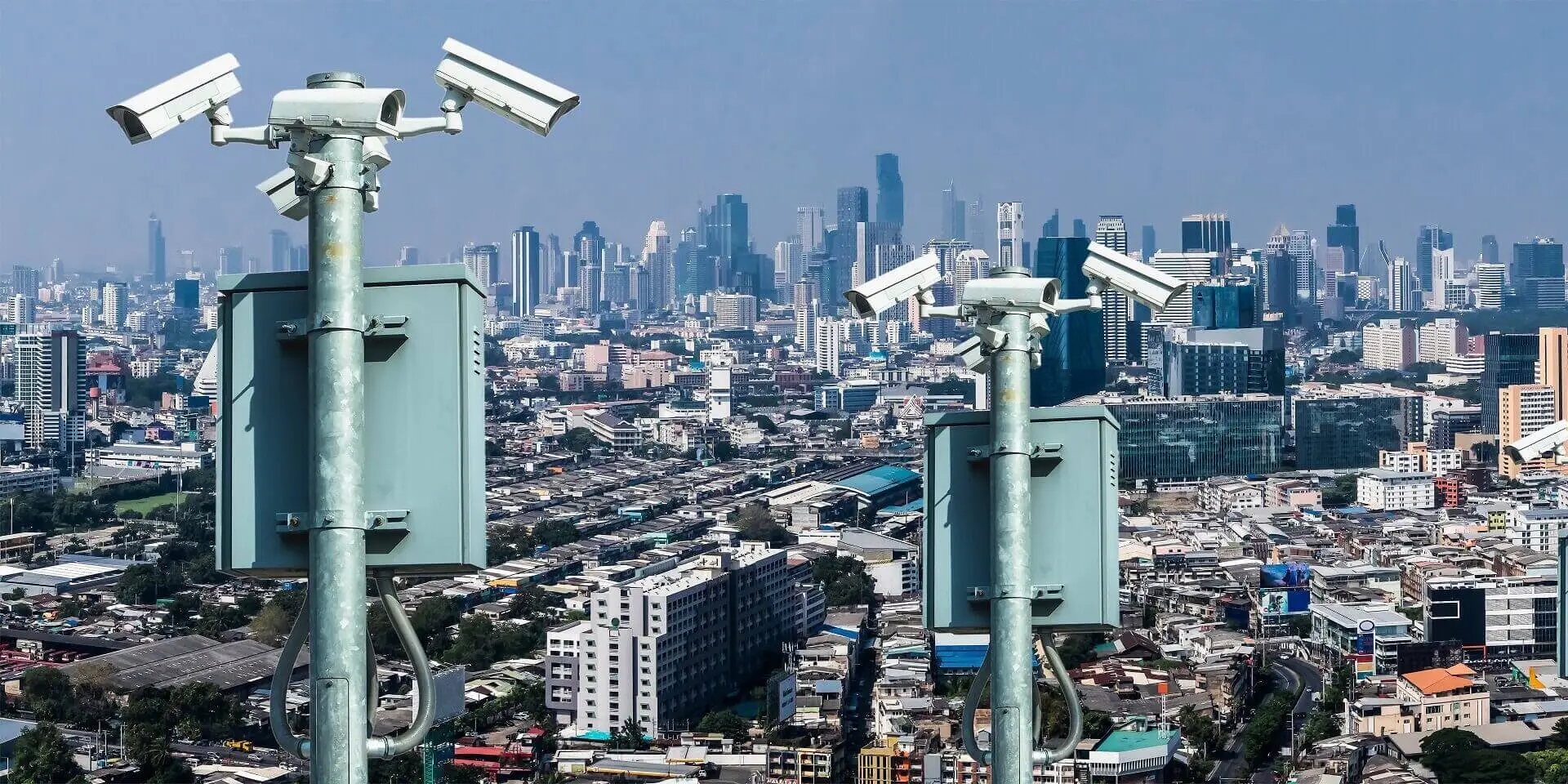
San Francisco is now deploying advanced systems like license plate readers across the city, marking a significant departure from its previous stance on privacy and surveillance.
This shift reflects broader changes in Democratic strongholds across the U.S. Initially permissive, these areas are now increasingly adopting strict, surveillance-based crime policies.
This movement is often driven by the pressures of upcoming elections and the need to address public concerns about safety.
San Francisco’s Policy Shift
In San Francisco, incidents of high-profile crime and increasing voter frustration with the status quo have catalyzed these changes. This has prompted city leaders to rethink their strategies.
Moreover, San Francisco’s drug policies have come under fire, with critics linking them to a rise in drug-related deaths.
They question the effectiveness of these policies in managing public health and safety.
These criticisms underscore the challenges faced by the city in balancing progressive ideals with practical governance.
The evolution of San Francisco’s policies may serve as a cautionary tale or a blueprint for other cities dealing with similar dilemmas.
The city’s journey from a hub of progressive policy to a center of advanced surveillance reflects a significant transformation.
This shift highlights the complex interplay between civil liberties and public safety in urban governance.
This article was drafted with automated assistance and reviewed before publication. How we use AI · Report an error · Editorial responsibility: Matthias Camenzind, Editor-in-Chief