Suriname Moves to Evict Mennonite Settlers From Its Rainforest Interior
Suriname · Environment
Key Facts
- Action President Jennifer Geerlings-Simons announced a crackdown on 4 August 2026 against Mennonite-linked settlers and other illegal land occupiers in Suriname’s interior.
- Notices Bailiff-delivered eviction notices (deurwaardersexploten) have been issued; illegal residents face deportation.
- Scale The government is reversing prior land allocations covering several hundred thousand hectares, including a reported plan involving 467,000 hectares of mostly primary forest.
- Task force A special team including police, attorneys, and forest rangers has been created to investigate unauthorised occupation and clearing.
- Policy Agriculture is permitted in the coastal plain but not in the interior rainforest, according to the administration.
- Context The move follows years of controversy over Mennonite-linked agricultural projects and Amazon deforestation concerns.
Suriname’s new president has ordered evictions and a task-force probe into unauthorised forest clearing by Mennonite settlers and others in the interior, reversing large land allocations and drawing a firm line between coastal farming and rainforest protection.
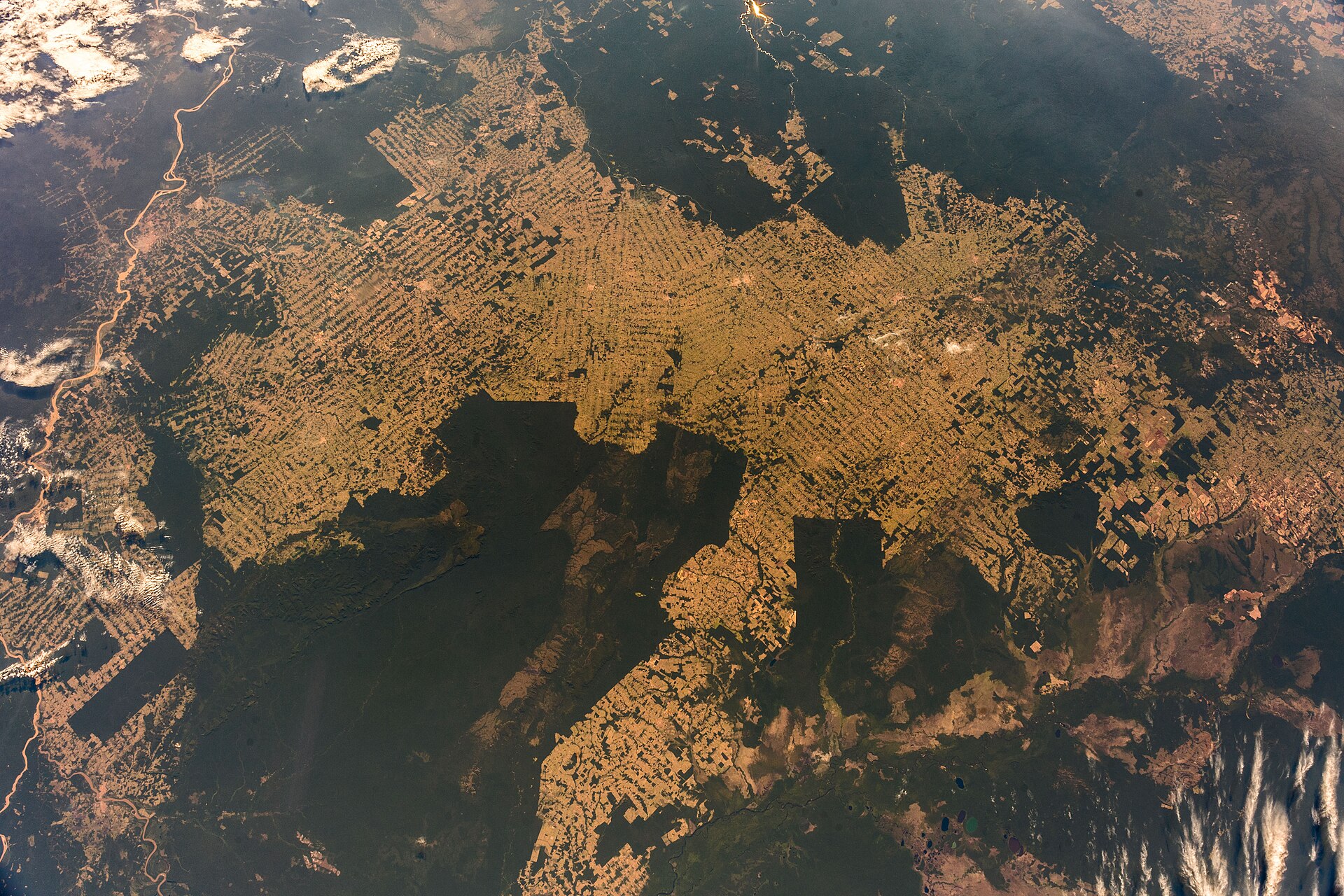
For readers following Latin America’s environmental politics, Suriname has just delivered a striking reversal: President Jennifer Geerlings-Simons, in office only months, announced on 4 August 2026 that her government will not tolerate illegal settlement or deforestation in the country’s vast interior, issuing bailiff eviction notices to Mennonite settlers and other land occupiers and creating a special task force to investigate violations. The move signals a sharp break from previous land policies that had allocated hundreds of thousands of hectares of primary forest for agricultural development.
Eviction notices and a new task force
The immediate action is not a mass expulsion already carried out, but a formal legal and administrative crackdown. According to reporting, some Mennonite settlers and other land developers have received a deurwaardersexploot — a written notice delivered by a bailiff — telling them to leave the area. President Simons has said that people found to be illegally on the land will be deported.
A special team, including government officials, police, attorneys, and forest rangers, has been set up to investigate unauthorised occupation and forest clearing, compile violations, and issue eviction or cease-and-desist orders. John Goedschalk, described as a climate adviser to the president, said the task force would examine the extent of illegal activity and enforce the law.
The scale: hundreds of thousands of hectares at stake
The administration says it is reversing land transfers from the previous government involving “several hundred thousand hectares” that had been moved into agricultural use. One report specifies a prior plan involving 467,000 hectares of mostly primary forest slated for agricultural development. Another says the earlier land inventory found that hundreds of thousands of hectares had been allocated through the Ministry of Agriculture, Livestock and Fisheries and should be returned to the state.
This is not a small dispute over a few farms. The figures point to a sweeping re-evaluation of land governance in a country where the interior is largely rainforest and home to Indigenous and Maroon communities. The previous allocations, now under review, had been connected to Mennonite-linked agricultural projects that drew criticism from conservation groups and Indigenous leaders, some of whom had already mobilised against earlier settlement plans in 2024.
Government’s position: coastal farming, not rainforest clearance
President Simons has been explicit about the policy distinction. Agriculture is acceptable in the coastal plain, she said, but not in the interior rainforest. The government will not allow groups to settle in remote areas, clear forest, and build communities there, while legal farming can proceed in the coastal zone. She also said the administration is evaluating migration policy and tightening enforcement against illegal settlement and deforestation.
The position is a direct rebuke to previous arrangements that had allowed or encouraged agricultural development inland. By framing the issue as one of legality and environmental protection, the government is attempting to reset the terms of land use in Suriname — and to signal to foreign agricultural investors that the interior is not open for business.
Amazon-protection context and earlier project history
The crackdown sits within a wider regional debate over Amazon rainforest protection, land governance, and rural development. Suriname, though small in population, holds a significant share of the Guiana Shield forest, one of the world’s most intact tropical forest blocks. The reported land allocations — and the clearing associated with them — had become a flashpoint for conservation concerns.
Earlier project iterations help explain the sensitivity. An earlier Terra Invest plan that surfaced in 2023 aimed to secure about 30,000 hectares for roughly 1,000 Mennonite families — a figure environmental groups feared could balloon toward 90,000 hectares. A pilot for about 50 families was cancelled in March 2024 amid conservation and Indigenous objections. Those figures predate the 2026 eviction action, but they show the scale of ambition that preceded the current reversal. The government’s new stance, with its task force and eviction notices, is an attempt to draw a clear line between legal coastal agriculture and illegal rainforest settlement.
Frequently Asked Questions
Is Suriname expelling all Mennonites?
No. The government is targeting illegal settlement and land clearing connected to Mennonite-linked groups and other occupiers, not the Mennonite community as a whole. Legal agricultural activity in the coastal plain remains permitted.
How much land is affected by the reversal?
Reports refer to several hundred thousand hectares of prior allocations, with one figure citing 467,000 hectares of mostly primary forest. The exact total under review has not been fully confirmed.
What happens to people who received eviction notices?
Those found to be illegally on the land face deportation, according to President Simons. A task force is compiling violations and issuing eviction or cease-and-desist orders, with enforcement involving police and forest rangers.
Connected Coverage
Sources: Mongabay; Suriname Times; office of the President of Suriname.
This article was produced by The Rio Times’ automated newsroom system. How we use AI · Report an error
Read More from The Rio Times