Sudan Fighting Pushes Families Over Border
Local groups are counting new arrivals in Blue Nile, North Kordofan and South Sudan faster than UN tables can. Key claims about who holds the ground remain unverified.

Conflict: Sudan
Thousands of civilians fled fresh fighting in Sudan’s Blue Nile and Kordofan regions this week, local groups said on Friday 27 November 2026. They are heading for Ed Damazin, the Blue Nile state capital, and El Obeid, capital of North Kordofan, inside Sudan and, across the border, for South Sudan’s Upper Nile state.
The Sudanese army and the Rapid Support Forces (RSF), a paramilitary group, have fought each other since April 2023. The UN migration agency has counted only part of this wave, in West Kordofan, so local groups are the first to put numbers on Blue Nile and Renk.
Key Facts
- Who. The Sudanese army and the Rapid Support Forces (RSF), a paramilitary group.
- What. Fighting in Blue Nile and Kordofan pushes families toward Ed Damazin, El Obeid and South Sudan.
- Numbers. Sudan had 8,594,507 internally displaced people in October, 26% below the January 2025 peak.
- Prediction markets. Polymarket, a US prediction market, prices a Sudan ceasefire by 31 December at 5.0%. Bets, not polls.
- As of. Saturday 28 November 2026, 12:40 GMT.
Local groups are counting new arrivals in Blue Nile, North Kordofan and South Sudan faster than UN tables can. Key claims about who holds the ground remain unverified.
Sudan’s displacement crisis is vast but sits below its peak. The International Organization for Migration (IOM), the UN migration agency, said in its October tracking report, released on Monday 16 November 2026, that 8,594,507 people were displaced inside the country, 26% below the January 2025 high of about 11.58 million.
That national total rose by under 1% (about 8,896 people) on September, but Blue Nile moved faster. IOM said the state’s displaced population grew 6% in October, from 417,714 to 443,494, mostly around Roseires and Wad El Mahi.
Five of the nine incidents that triggered displacement in October were in Blue Nile, the report said. About 5,395,491 people had also returned to their areas of origin.
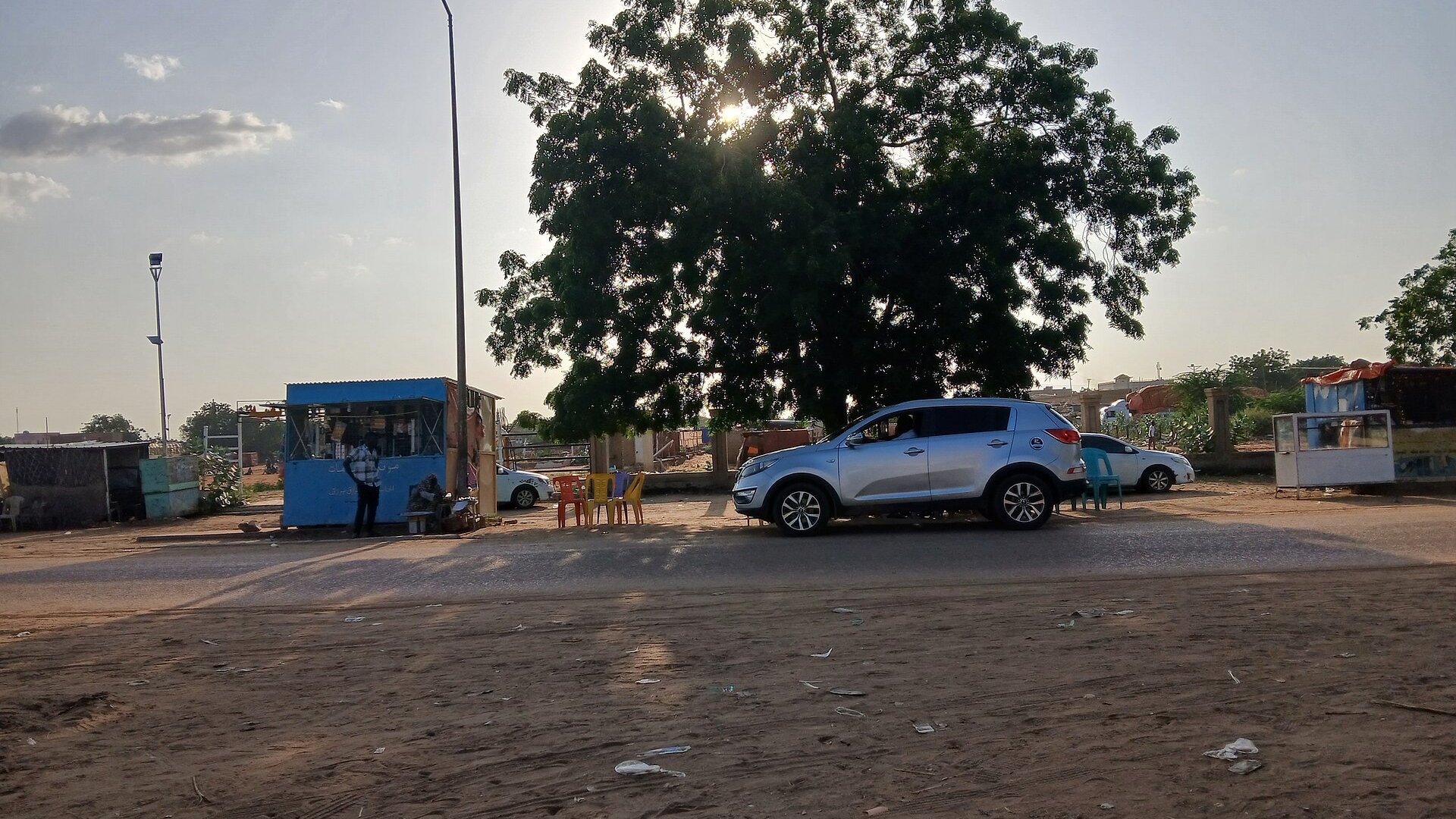
On Friday 27 November, Emergency Lawyers, a Sudanese group that documents abuses, said about 325 families, “about 2,000 people” in a translation from Arabic, fled the Maqanza (Khor Maganza) area of Bau locality, a district of Blue Nile, to Ed Damazin and Roseires, a town on the Blue Nile. They left after the RSF and its allies entered the area, which lies about 30 km south of Ed Damazin, the Blue Nile state capital.
The group urged the RSF and its allies to protect civilians. It called for urgent assessment and aid to meet “urgent needs for food, drinking water, shelter and health care”, in a translation from Arabic.
The army’s 4th Infantry Division in Ed Damazin said the same day that it had retaken Khor Maganza from the RSF and the Sudan People’s Liberation Movement-North (SPLM-N), a rebel group led by Abdelaziz al-Hilu. The RSF and SPLM-N had said two days earlier that they captured it, and neither side’s account is independently verified.
Across the border, the Blue Nile State Civil Society Initiative, an independent local group, said on Friday that Renk County in South Sudan’s Upper Nile state received more than 14,000 people within a week. Most settled around the Shomedi and Adham village areas, where it reported shortages of food, safe water, shelter and health care.
The initiative called for a halt to hostilities and unhindered humanitarian access. The UN has not confirmed the 14,000 figure, and no UN number for the Renk arrivals has been found.
In North Kordofan, humanitarian sources reported that about 2,000 newly displaced people from the villages of Abu Qalb and Al-Sa’ata in West Kordofan reached El Obeid, the state capital. They fled after the army’s push into Abu Zabad locality, a district of West Kordofan, and alleged abuses by the RSF in response, including killings, rape and looting.
Many of the arrivals were women and children who walked long distances, among them pregnant and nursing women. New arrivals reported births and miscarriages on the road, accounts that are unconfirmed, and the RSF has not been heard on the allegations.
Casualty numbers for the new fighting are unconfirmed. Whether UN OCHA, the UN humanitarian office, publishes counts for Renk and El Obeid will show how far official figures lag.
IOM’s October figures end before this week’s flight, so they cannot yet show these arrivals. The next IOM tracking report will show whether the 6% rise in Blue Nile’s displaced population continued.
Frequently Asked Questions
Who is fighting in Sudan’s Blue Nile?
The Sudanese army and the Rapid Support Forces, a paramilitary group, have fought since April 2023. In Blue Nile the RSF is joined by SPLM-N, a rebel group.
Why do local and UN numbers differ?
UN tracking reports cover a past month, while local groups count arrivals as they happen. Local figures stay unconfirmed until agencies verify them.
Where are displaced families heading now?
Families are reaching Ed Damazin, Roseires and El Obeid inside Sudan, and Renk in South Sudan. Local groups say they need food, water, shelter and health care.
Sources
Published Saturday 28 November 2026 · Source: Emergency Lawyers statement of 27 November 2026; Blue Nile State Civil Society Initiative statement of 27 November 2026; Sudanese Armed Forces 4th Infantry Division statement of 27 November 2026; IOM October tracking report of 16 November 2026; humanitarian sources in El Obeid; IOM Displacement Tracking Matrix · UN OCHA Sudan
Connected Coverage
Sudan news · Thousands Flee Sudan’s Blue Nile Fighting · Hundreds Flee Abu Zabad in Sudan’s Kordofan
This article was produced by The Rio Times’ automated AI newsroom. Editorial responsibility: Matthias Camenzind, Publisher and Editor-in-Chief. The Rio Times also runs Ask Rio Times, which answers from 100,000+ of our own articles, the daily Latin America Power Map, and prediction-market odds on elections and markets.. How we use AI · Report an error
Horn of Africa and the Red Sea
- Horn of Africa 2026: Why It Matters and Who Backs Whom
- Ethiopia’s Neighbors Explained, Ports, Eritrea, Somalia
- Eritrea Explained 2026, a Red Sea Country Guide
- Somalia Explained: Al-Shabaab, Somaliland, the Ports and the Fight Over a 2026 Vote