Brazil Protects Dictatorship Torture Site
Brazil has legally protected a building where political prisoners were tortured under military rule. The decision concludes Iphan’s process, which began with a request in 2013 over a site the Army still holds.

Politics: Brazil
On Thursday 26 November 2026, the advisory council of Brazil’s national heritage institute, Iphan, voted to protect the Rio de Janeiro building where the military dictatorship tortured political prisoners. The listing, a formal heritage protection, bars demolition or alterations that would change the character of the former DOI-Codi site, the Army’s dictatorship-era intelligence and repression unit, which the Army long kept Iphan from entering.
It is the place where Rubens Paiva, a former congressman, was tortured and killed in custody in January 1971, according to the National Truth Commission, the official inquiry into dictatorship abuses. His family’s story was told in “I’m Still Here”, the film that won the 2025 Oscar for best international feature.
Key Facts
- Who. Iphan, Brazil’s national heritage institute; the Army, which still has custody of the site.
- What. Iphan’s council listed the former DOI-Codi torture centre in Tijuca, a Rio north-zone district.
- Why. Rubens Paiva, the subject of an Oscar-winning film, died in custody there in 1971.
- When. The vote took place on Thursday 26 November 2026; the listing bars demolition or alteration.
- As of. 28 November 2026, 04:10 GMT.
Brazil has legally protected a building where political prisoners were tortured under military rule. The decision concludes Iphan’s process, which began with a request in 2013 over a site the Army still holds.
The request was filed in 2013 by Brazil’s federal prosecutors’ office, the Ministério Público Federal (MPF), together with the Rio de Janeiro state truth commission. Iphan, formally the National Historic and Artistic Heritage Institute, ordered a provisional listing in May 2026, according to an MPF release of 13 May 2026.
The Army, the building’s custodian, resisted the listing across successive federal governments, including the current one, and in May 2026 it asked for more time and said the area to be listed was larger than planned. Iphan technicians had not been able to enter the site since 2014, and they got in only in the final days before the vote, under a court order.
General Giovani Moretto, commander of the Army’s 1st Military Region, its Rio-based command, questioned the historical records on which Iphan relied. Council member Vivian Fonseca read that challenge as an attempt to promote policies of forgetting instead of memory.
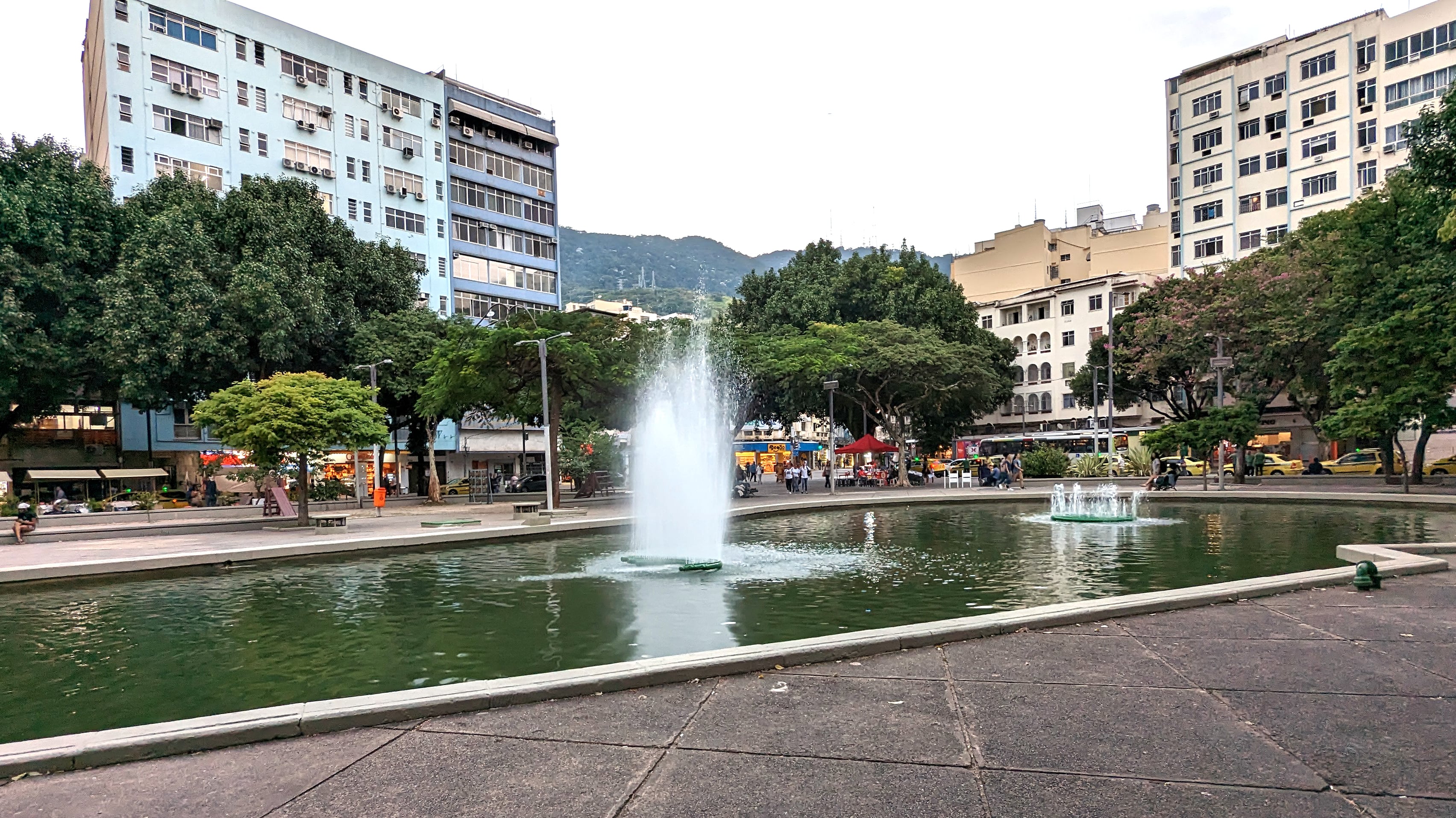
DOI-Codi stands for Destacamento de Operações de Informações, Centro de Operações de Defesa Interna, the Army’s intelligence and repression unit during the dictatorship of 1964 to 1985. The building stands at the rear of the Army’s 1st Army Police Battalion, a military police unit, on Rua Barão de Mesquita, in Rio’s north zone, and the listing covers the former DOI-Codi building.
The battalion still operates on the site, and the DOI-Codi operated there during the dictatorship. Iphan’s dossier rests on documents from the Ministry of Human Rights and Citizenship, the National Truth Commission and the United Nations, and on survivors’ accounts.
Federal prosecutors say keeping the physical structure matters for transitional justice, the effort to face the abuses of a past regime. They argue that the site is not just a military building but a symbol of the state’s repressive machinery, and they want it turned into a place of memory for education and reflection.
The dossier says the building was modified to enable crimes, with exclusive access doors so that prisoners were not officially registered. It also describes cells, such as the notorious “Maracanã”, designed to isolate and torture detainees.
According to the prosecutors, former political prisoners described electric shocks, the “parrot’s perch” (pau de arara, hanging a prisoner from a bar), drownings and severe beatings. Federal prosecutors say soldiers who served there admitted in testimony that orders to arrest and interrogate were often verbal, without warrants.
Cristina Meneguello, the council member who reported the case, said the Army’s refusal to allow access to the building amounted to “continued violence”. She proposed that public bodies such as universities, or social movements together with victims’ families, run the site.
The Army has not said whether it will comply with the listing or challenge it in court. Its latest objection, in May 2026, came after Iphan ordered the provisional listing.
Iphan does not decide how the building will be used. Who will manage it, and when it could open to the public, are not known.
Making the site a memory centre was a recommendation of the National Truth Commission, which finished its work in 2014. Who will manage it, and when it could open to the public, are not known.
The decision keeps one of the main sites of dictatorship-era repression from being demolished or rebuilt. Whether it also becomes open to visitors is a separate question for later.
Frequently Asked Questions
What does the heritage listing do?
It bars demolition or alterations that would change the building’s character. It does not decide who will run the site or what it will be used for.
Why does the former DOI-Codi matter?
Survivors and prosecutors describe it as a place where political prisoners were tortured under military rule. Its best-known story reached cinema audiences through “I’m Still Here”.
What happens next?
The Army, which has custody, has not said whether it will comply or go to court. Questions of management and public access are still open.
Sources
Published Saturday 28 November 2026 · Source: Iphan listing vote of 26 November 2026; Ministério Público Federal release of 13 May 2026; National Truth Commission final report (2014); Iphan · Ministério Público Federal
Connected Coverage
This article was produced by The Rio Times’ automated AI newsroom. Editorial responsibility: Matthias Camenzind, Publisher and Editor-in-Chief. The Rio Times also runs Ask Rio Times, which answers from 100,000+ of our own articles, the daily Latin America Power Map, and prediction-market odds on elections and markets.. How we use AI · Report an error
Brazil runoff, Sunday, October 25: Brazil runoff date. Latest: Brazil runoff polls, Flávio 51%, Lula 49%.