Uganda Seeks Citi Loan to Pave Gorilla Roads
Lawmakers must decide whether a tourism road loan is worth its price, including a land compensation bill that has doubled.

Infrastructure: Uganda
Uganda’s government is asking Parliament to let it borrow from Citi, the New York-based American bank, to pave two roads that lead to Bwindi Impenetrable National Park, home of the country’s mountain gorillas. The request covers 78.4 kilometres of road in Kanungu and Rubanda districts in the south-west and was still unapproved on 20 November 2026.
For readers in the United States, the story joins a US lender to one of Africa’s best-known wildlife destinations. Bwindi has been a World Heritage Site, listed by UNESCO, the United Nations cultural agency, since 1994, and Buhoma, at the end of one of the two roads, is a main gateway for gorilla trekking.
Key Facts
- Who. Uganda’s government wants Parliament to approve a Citi loan for two roads to Bwindi gorilla park.
- Amount. Tabled at €142.69 million (US$157 million); a 20 November account cited 530 billion shillings (US$128 million).
- Status. Laid in Parliament and sent to its loans-scrutiny committee; not yet approved.
- Next. The committee reviews the terms; we found no published vote date.
- As of 20 November 2026, 19:30 GMT
Lawmakers must decide whether a tourism road loan is worth its price, including a land compensation bill that has doubled.
The plan has been in Citi’s pipeline since at least November 2024, when Uganda signed its first loan with the bank, €126.44 million (US$137 million at signing) for the 97-kilometre Lusalira–Ssembabule road in central Uganda. At that signing, Uganda’s Finance Ministry listed a 47-kilometre road to Kanungu and a 32-kilometre road from Kanyantorogo through Butogota among the projects for which Citi had been mandated to raise money.
Finance Minister Henry Musasizi told lawmakers these are roads “of where the business is”, and told the Committee on National Economy, the parliamentary panel that vets government loans, that tourism is central to the government’s plan to grow the economy tenfold. “This road is critical to unlocking that potential,” he said.
Parliament Holds the Final Say
Uganda has been borrowing steadily for roads, including a €207.74 million (about US$228 million) facility for the Jinja–Kamuli–Bukungu road that Parliament approved in September 2026. Under Uganda’s Constitution, government borrowing needs Parliament’s consent, so the committee’s review is the next hurdle.
Musasizi tabled the request in October 2026 at up to €142.69 million, which the request put at about 674.1 billion Ugandan shillings. Deputy Speaker Thomas Tayebwa, the House’s second-ranking presiding officer, sent it to the committee for scrutiny before any plenary vote.
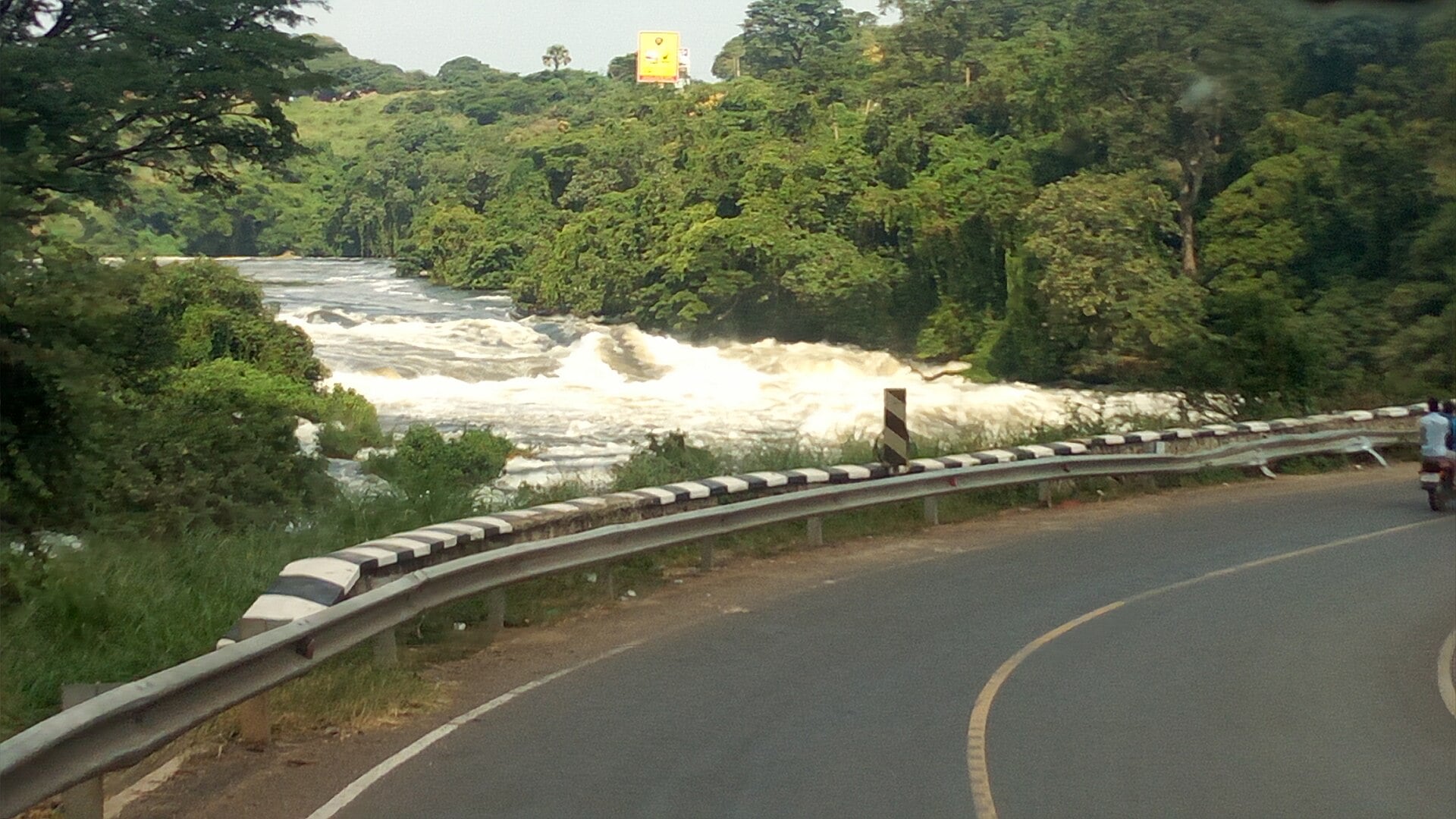
An account of the committee hearing published on 20 November put the loan at up to Shs530 billion (Ugandan shillings, about US$128 million), a lower figure than the one tabled. The public record does not yet explain the gap between the two amounts.
Either way, the cost per kilometre is high: the tabled sum works out at about US$2.0 million a kilometre, and the lower figure at about US$1.6 million. Neither figure says how much goes to building and how much to land, design and fees.
Land Costs Have Doubled
Committee members objected that compensation for land along the route has risen from Shs35 billion (about US$8.4 million) to Shs70 billion (about US$16.9 million). They urged the ministries to talk to communities along the routes about giving up land, arguing that residents would benefit from the roads.
Musasizi answered that some communities had agreed to give up land and later challenged the arrangement when construction was about to begin. “That is why we must handle compensation carefully,” he said, to avoid delays and disputes.
State Minister for Works Musa Ali Siraj joined Musasizi at the hearing. Musasizi said the upgrade would improve access to Bwindi and strengthen its link to Queen Elizabeth National Park, another major wildlife reserve, through the town of Kihihi.
Tourism gives the argument its weight: Uganda’s Ministry of Tourism, Wildlife and Antiquities says international arrivals rose 19.7% to about 1.64 million in 2025, earning roughly US$1.62 billion. Musasizi has called tourism “the only sure way now of attracting revenue”.
Nothing changes for visitors yet, because the roads stay as they are until Parliament votes and the loan is signed. Travellers planning a gorilla trip can read a guide to whether Uganda is safe for Americans, and the wider borrowing story is in a report on the railway loan sought from the OPEC Fund, an international development lender.
Access to the park is already fragile: a bridge collapse in Kisoro in October cut the road to two of Bwindi’s four gorilla sectors, and a report on a senior roads engineer suspended over expressway costs shows how closely road spending is watched. We found no published date for the committee’s report or the vote, and the lenders’ final terms are not public.
Frequently Asked Questions
Has Parliament approved the Citi loan?
No. The request has been laid and sent to the Committee on National Economy, and Parliament can approve, amend or reject it.
Why is Citi lending to Uganda?
Citi has been mandated to arrange financing for several Ugandan projects since its first loan to the country. The Finance Ministry listed these two roads among them.
Will the roads make a gorilla trip easier?
Finance Minister Musasizi says the paved roads would improve access to Bwindi. Nothing can start until Parliament approves the loan and it is signed.
Sources: statements by Finance Minister Henry Musasizi to Uganda’s Parliament and its Committee on National Economy, October–November 2026; Uganda Ministry of Finance remarks at the November 2024 Citi loan signing; Ministry of Tourism, Wildlife and Antiquities visitor statistics; UNESCO World Heritage listing for Bwindi (https://whc.unesco.org/en/list/682/). Parliament of Uganda: https://www.parliament.go.ug/ · Ministry of Finance: https://www.finance.go.ug/
This article was produced by The Rio Times’ automated AI newsroom. Editorial responsibility: Matthias Camenzind, Publisher and Editor-in-Chief. The Rio Times also runs Ask Rio Times, which answers from 100,000+ of our own articles, the daily Latin America Power Map, and prediction-market odds on elections and markets.. How we use AI · Report an error