Six Miners Killed in Methane Blast at a Suspended Colombia Coal Mine
Colombia · Mining
Key Facts
- What happened: A methane gas explosion tore through the El Porvenir 1 underground coal mine in Cucunubá, Cundinamarca.
- When: Around 2:46 p.m. on Friday, August 14, 2026.
- The toll: Six miners were found dead. One worker escaped on his own.
- The cause: A buildup of methane gas, known to Colombian miners as grisú.
- The mine’s status: It sat inside a “special reserve area” while it tried to become a formal, legal operation.
- Already suspended: The National Mining Agency (ANM) had inspected the mine and ordered it to stop over safety failings.
- The open question: The governor wants to know why men were still digging after that order.
Rescuers dug through a collapse and a night of bad air to reach these men. The harder question is why anyone was inside a mine the state had already told to close.
Six miners went to work on Friday afternoon in a small coal mine north of Bogotá. None of them came home.
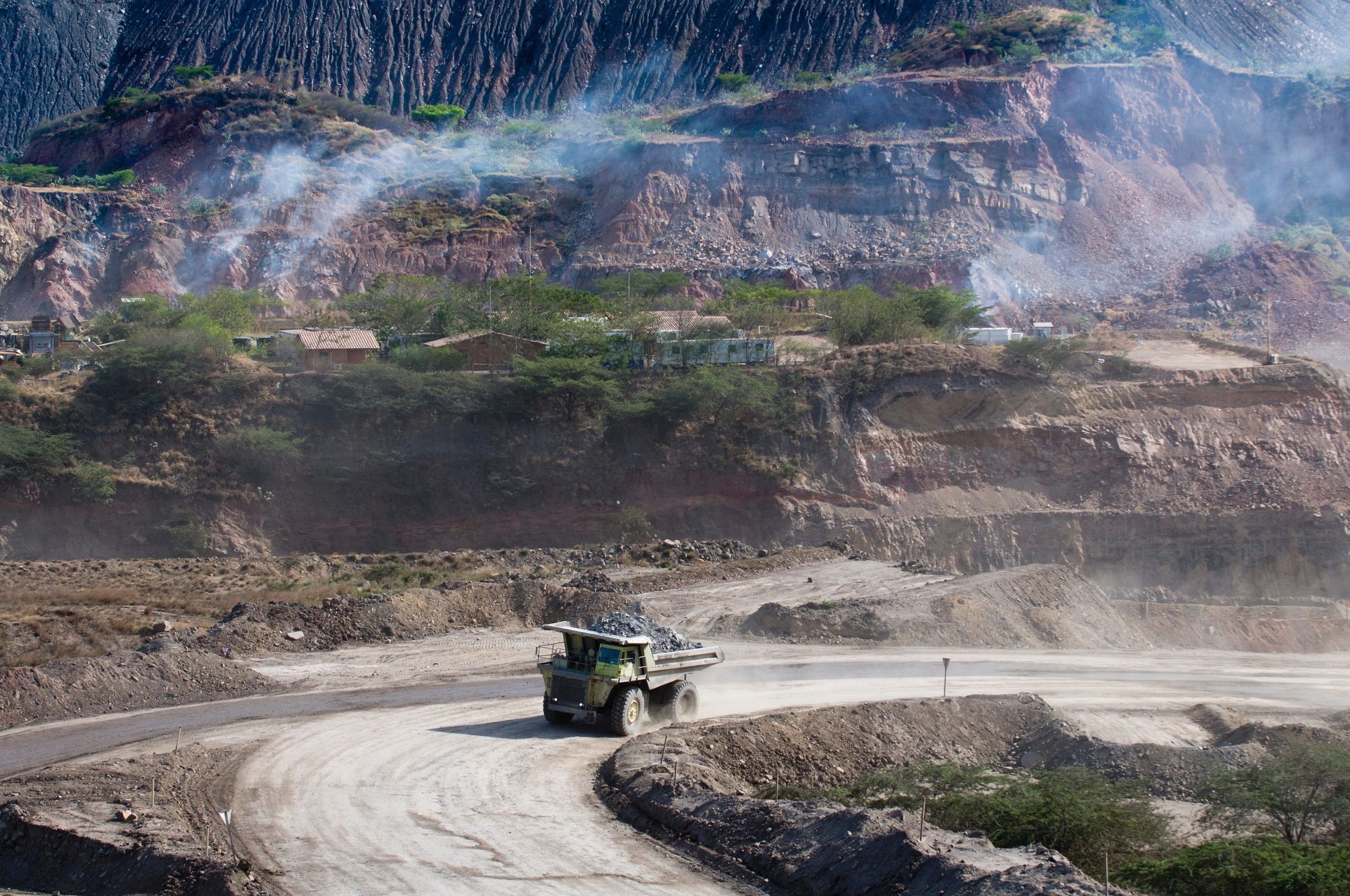
What happened underground
The explosion hit the El Porvenir 1 mine at about 2:46 p.m. on August 14. The mine sits in La Ramada, a rural stretch of Cucunubá, a town in Colombia’s Cundinamarca department.
Seven men were inside. One managed to climb out on his own. The other six were trapped by the blast and a rockfall on one of the levels.
Rescue crews from the Ubaté mining safety and rescue station worked into the night. They had to clear a collapse and check the air for gas as they went.
By Friday evening, the news was the worst kind. Governor Jorge Emilio Rey confirmed that all six trapped miners had been found dead.
The victims were named as Duvan Ferney Rodríguez, Cristian de Jesús Contreras Latorre, Sebastián Contreras Latorre, Eduard Alexander Díaz, Yerson Mauricio Rojas and Jhon Mario Triviño Serna.
The killer was methane
The early cause points to methane gas. Colombian miners call it grisú, and it is the oldest danger in coal mining.
Methane seeps out of coal seams as men cut into them. It is colorless and has no smell, so you cannot sense it building up around you.
The gas gathers in the high pockets of a tunnel. One spark, one hot tool, one bad moment, and it goes off.
Good ventilation and gas monitors are supposed to stop this. When they fail, or are not there at all, the result is what happened at El Porvenir 1.
A mine that should have been shut
Here is the detail that turns a tragedy into a scandal. This mine had already been told to stop.
El Porvenir 1 was operating inside what Colombia calls a “special reserve area” for formalization. That is a legal halfway house for informal mines trying to meet the rules and go straight.
The ANM, the country’s mining agency, had recently inspected the site. It found safety problems and ordered the mine to suspend work until it fixed them.
Yet men were underground digging coal when the gas blew. Governor Rey said the ANM must now explain why extraction continued despite the suspension order.
That echoes a grim recent case. In May 2026, a methane blast killed nine miners in nearby Sutatausa, at a mine the ANM had also flagged for safety failings weeks before.
A deadly pattern in Colombia’s coal country
Cundinamarca and neighboring Boyacá form Colombia’s underground coal belt. The mines here are small, deep and often run on thin margins.
The accidents come with brutal regularity. Colombia records between 80 and 130 mining accidents a year, and 22 were logged in just the first quarter of 2026.
The pay explains why men keep going down. Many earn around Colombia’s minimum wage of about COP 1,750,900 a month, or about US$561, in a region with few other jobs.
The problem is rarely a mystery. Investigators point again and again to poor ventilation, weak gas control, and a gap between the rules on paper and what actually happens below ground.
Why this should matter to you
Coal is one of Colombia’s biggest exports, earning the country billions of US dollars a year. If you invest in Latin America, its mines touch your portfolio more than you think.
Buyers and funds now judge suppliers on safety and labor records, not just price. A mine that kills six workers while under a suspension order is exactly the kind of story that scares off cautious capital.
Colombia’s challenge is enforcement, not law. The country has safety rules and an agency to apply them, yet men still die in mines the state knew were unsafe.
Until that gap closes, each disaster raises the same doubt for anyone watching the region. Can Colombia turn its inspections into orders that people on the ground actually obey?
More: Colombia news in English, every day from The Rio Times.
Frequently Asked Questions
Where did the explosion happen?
It happened at the El Porvenir 1 underground coal mine in La Ramada, a rural area of Cucunubá, in Colombia’s Cundinamarca department, north of Bogotá.
What caused the blast?
Early findings point to a buildup of methane gas, which Colombian miners call grisú. Methane is colorless and odorless, and it can explode with a single spark.
How many people died?
Six miners were found dead after the explosion on August 14, 2026. A seventh worker managed to escape from the mine on his own.
Was the mine operating legally?
The mine was inside a “special reserve area” while it tried to formalize. The ANM had already inspected it and ordered it to suspend work over safety failings, yet men were still digging when the gas exploded.
Is coal mining in Colombia dangerous?
Yes. Colombia records between 80 and 130 mining accidents a year, and methane blasts in its underground coal belt have killed dozens of workers in recent years.
Sources: El Tiempo; Infobae; El País (Colombia); Xinhua; Colombia One; The Bogotá Post; National Mining Agency (ANM); Governor of Cundinamarca, Jorge Emilio Rey.
This article was produced by The Rio Times’ automated newsroom system. How we use AI · Report an error
Read More from The Rio Times