Shaping Eurasia’s Future: Xi and Putin’s Strategic Meeting in Kazakhstan
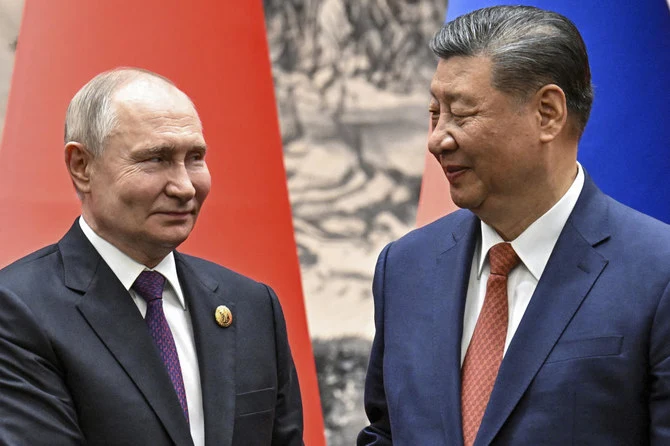
In Kazakhstan, Chinese leader Xi Jinping and Russian President Vladimir Putin convened during the Shanghai Cooperation Organization summit.
This event marks a crucial moment in Eurasian politics, reshaping regional alliances. Founded in 2001 by Russia and China, the organization originally aimed to focus on Central Asia.
It now embodies broader aspirations, influencing the entire Eurasian landscape and counterbalancing Western power.
This year’s summit highlighted the evolving dynamics between the two giants. China seeks to bolster its leadership in the Global South and expand its influence in Central Asia.
This region is slipping from Moscow’s hold due to its focus on conflicts like the ongoing strife in Ukraine.
Beijing has been nurturing economic relationships with nations such as Uzbekistan, careful not to provoke Russian sensitivities.
The discussions between Xi and Putin centered on mutual interests, emphasizing economic cooperation and navigating Western sanctions.
Their partnership showcases a deep strategic alignment, underscored by their stance on global issues like the crisis in Ukraine.
Despite global pressures, China has avoided condemning Russia, subtly supporting Moscow through economic engagements and possibly military aid.
This includes unconfirmed reports of dual-use technologies finding their way from China to Russia, hinting at a quiet alignment beyond mere diplomacy.
Such interactions not only define the Sino-Russian relationship but also signal to the world the contours of a new geopolitical era.
As alliances shift, Beijing and Moscow are crafting a partnership that could dictate the future balance of power in Eurasia and beyond.
This meeting, therefore, isn’t just a routine diplomatic engagement.
It’s a strategic maneuver within a larger chess game of international relations, shaping the dynamics of global power for years to come.
This article was produced by The Rio Times’ automated newsroom system. How we use AI · Report an error
Read More from The Rio Times