Africa: São Tomé and Príncipe
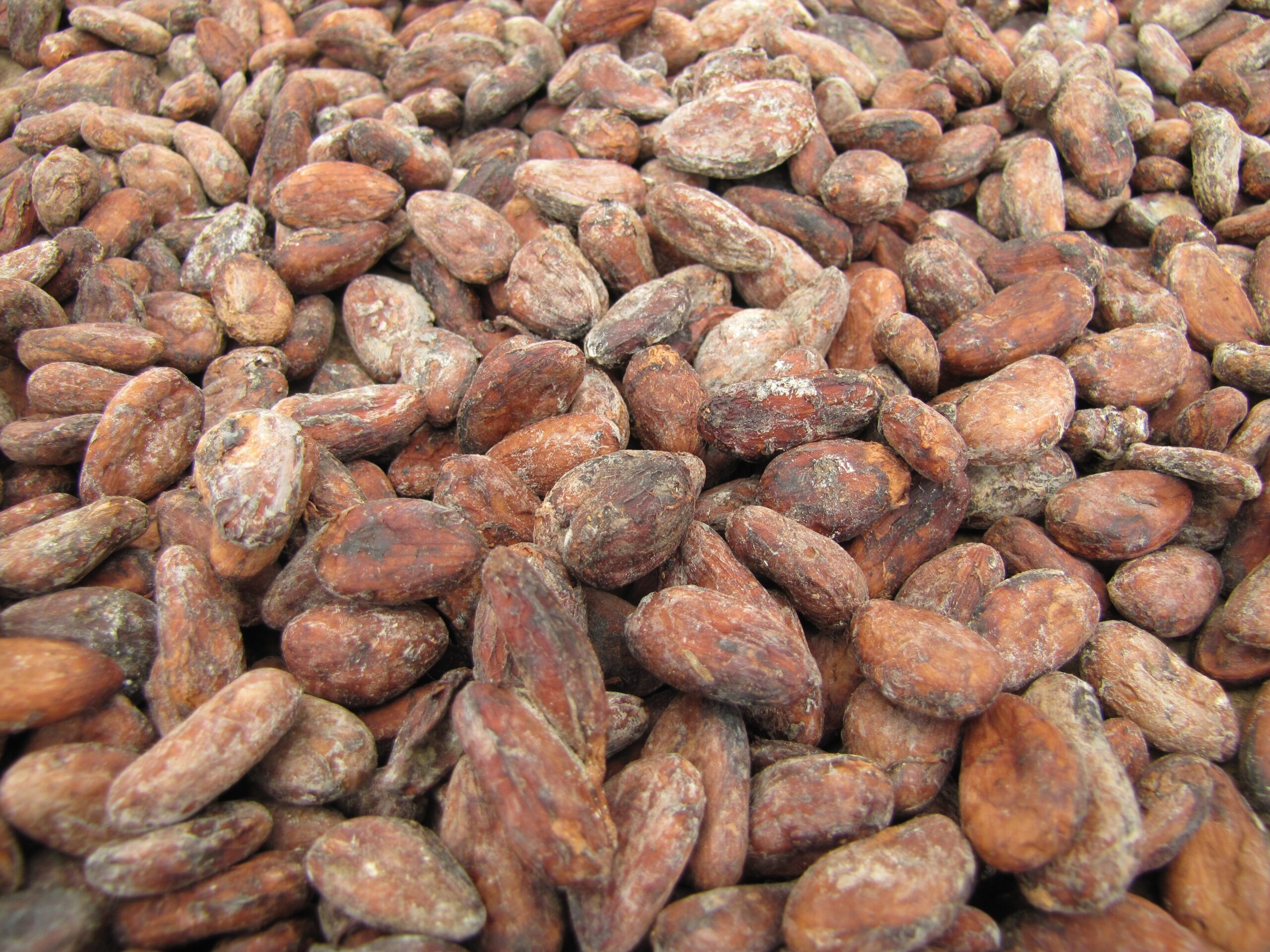
Cocoa production in São Tomé and Príncipe is set to fall by about 25% in 2026, according to António Dias, executive director of CECAB, the country’s largest organic cocoa export cooperative. He expects roughly 3,000 tonnes this year against about 4,000 tonnes in 2025, he told the São Tomé news site Téla Nón in a report published on Wednesday 18 November 2026.
Cocoa is the island nation’s main export, and the central bank’s trade data point the same way: cocoa receipts reached US$5.51 million in the first five months of 2026, 49.0% less than a year earlier (Banco Central de São Tomé e Príncipe, the central bank, 29 June 2026). For readers abroad, this is a small supply story, and a separate weather forecast for Ivory Coast, the top cocoa grower, also points to dry-weather pressure.
Key Facts
- Who. CECAB, the largest organic cocoa export cooperative, says the 2026 harvest will fall 25%.
- Volume. About 3,000 tonnes in 2026 against about 4,000 tonnes in 2025, its executive director says.
- Cause. Dias says rain-fed cocoa has faced a six-month dry season, not three.
- Trade data. Cocoa export receipts were US$5.51 million to May 2026, down 49.0% year on year.
- As of. 18 November 2026, 21:30 GMT.
The cooperative blames a longer dry season, and the central bank’s figures show cocoa earnings were already sharply lower by May.
The Bigger Picture
Prices set the backdrop. Dias said the price was at a historic level from 2024 to 2025, one not seen in 60 years, and the International Monetary Fund (IMF), a global lender with a lending programme in the country, noted in September 2025 that export revenue had benefited from tourism and “elevated cocoa prices” (IMF press release 25/312).
Téla Nón says cocoa stimulated growth of 2.1% in 2025, a figure it gives without a source. Dias says the price has since eased and the harvest has shrunk, so he expects the economy to feel it.
The cooperatives say they will keep making organic chocolate, which is sold locally. Dias said the income pays for rural roads and bridges, water-supply repairs in 10 farming communities this year and some work at the central hospital, which he described as filling gaps left by local government.
A separate weather story reaches beyond the islands: on 11 November Sodexam, Ivory Coast’s state meteorological service, warned that the country’s 2026/27 cocoa output could fall 21% to 25% because of an exceptionally strong El Niño, a Pacific warming that disrupts rainfall (Business Day, 11 November 2026). It put the expected fall in annual rainfall at 10% to 27%, but nothing links this forecast directly to São Tomé’s dry season.
What the Cooperative Says
CECAB handled about half of the roughly 4,000 tonnes São Tomé and Príncipe harvested in 2025, Dias told Téla Nón. He called 2025 a harvest year and said 2026 will bring 25% less.
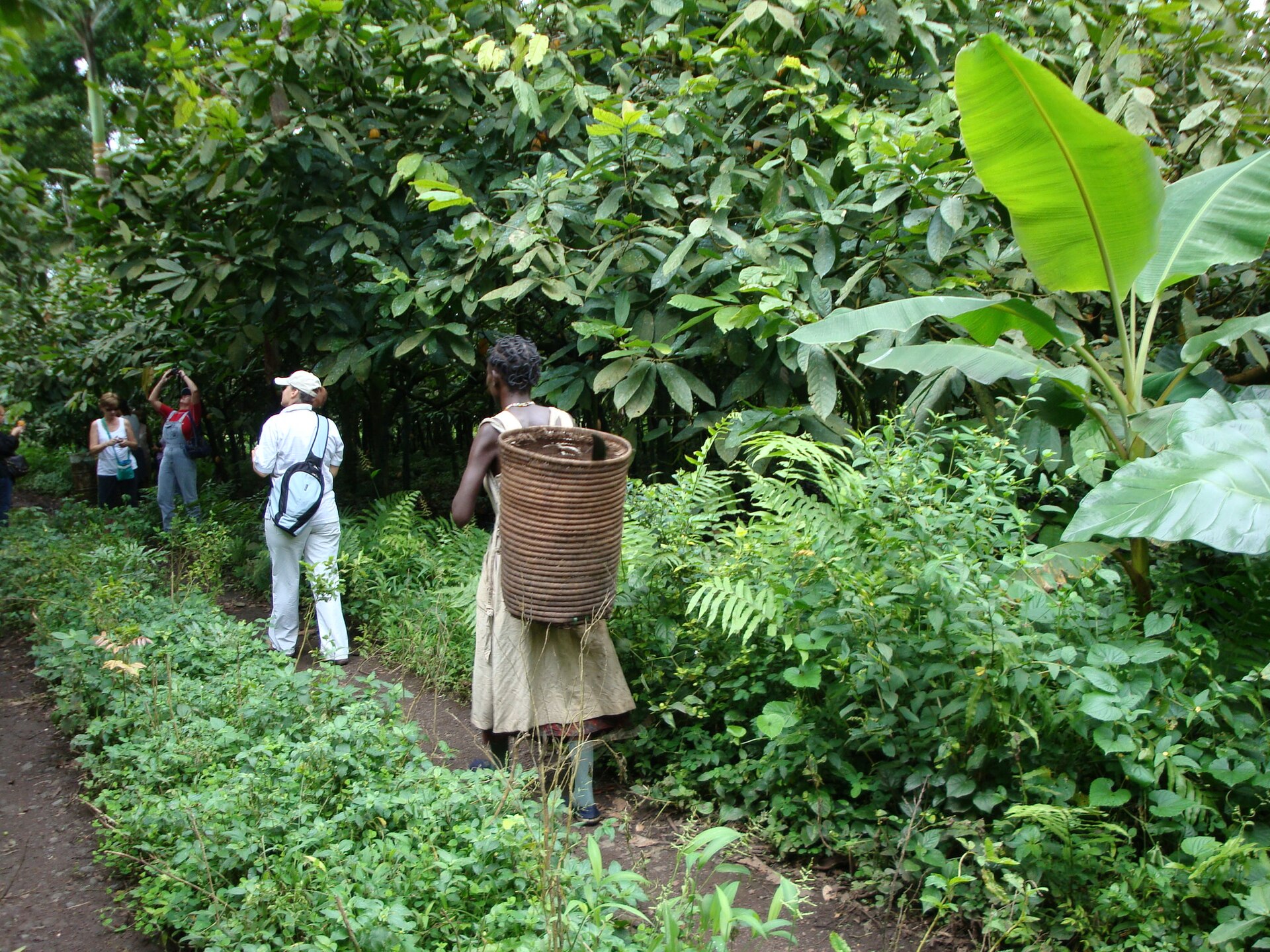
The cause is weather, he said, because cocoa on the islands is not irrigated and depends on rain. A dry season that normally lasts three months has stretched to six, and Téla Nón also cites climate change.
Téla Nón puts the international price at about €4,000 a tonne (about US$4,400 at about US$1.10 per euro, the ECB reference rate), a figure it does not tie to a futures contract. Cocoa futures fell toward US$5,000 a tonne on 18 November, near levels last seen in June, while stocks monitored by the Intercontinental Exchange (ICE) recently reached 3,815,074 bags, a 2.5-year high (Trading Economics, a market-data and news site, 18 November 2026).
What the Central Bank Data Show
The Banco Central de São Tomé e Príncipe reported on 29 June 2026, in the latest release we found, that goods exports from January to May totalled US$7.7 million, against US$14.8 million a year earlier, a fall of 48.2%. It said the drop came mainly from cocoa, whose receipts were US$5.51 million, 49.0% below the same months of 2025.
Palm oil, the other export it named, earned US$1.92 million, down 37.7% from US$3.09 million. Imports rose 3.2% to US$87.77 million, so the goods-trade deficit widened by 14.1% to US$80.07 million.
These are receipts in dollars, so they mix price and volume, and the bank does not split the two. Lower world prices than in 2024 and 2025, which Dias mentions, may explain part of the fall.
Why It Matters
Cocoa supplied about 72% of goods-export receipts to May (US$5.51 million of US$7.7 million, central bank, 29 June), so a smaller or cheaper crop cuts directly into the foreign currency the country earns. Over the same months it bought US$87.77 million of goods abroad and ran a goods-trade deficit of US$80.07 million.
Farmers feel it first, and so do the projects CECAB funds from chocolate income. The IMF listed cocoa prices as one support for export revenue in 2025, and that support is weaker now, as Dias says the price has eased and the harvest will be smaller.
What to Watch
No dated official checkpoint could be confirmed. The central bank publishes monthly trade highlights, but the date of its next release is not confirmed.
What Is Not Known
The 25% figure is Dias’s estimate as reported by Téla Nón, and we found no official harvest estimate from the government or the national statistics institute as of Wednesday 18 November. The article reads as a national figure, but Dias’s wording could also refer to CECAB’s own volume, which was about half of the 2025 crop.
Our searches also found no second outlet carrying the CECAB figures. The central bank’s 49.0% fall in cocoa receipts is an independent but earlier measure, and it covers value, not tonnes.
What It Means for You
For chocolate buyers abroad, world cocoa prices have eased toward US$5,000 a tonne, and the reported drop is about 1,000 tonnes against last year. For investors and development lenders watching São Tomé and Príncipe, the signal is that its main export is earning less this year.
Readers can follow our earlier coverage of the cocoa and oil economy and our São Tomé and Príncipe explainer. The country page collects the latest news.
Frequently Asked Questions
How much will São Tomé and Príncipe’s cocoa output fall in 2026?
CECAB’s executive director António Dias expects about 25% less than in 2025, or roughly 3,000 tonnes against about 4,000 tonnes. This is the cooperative’s estimate, reported by Téla Nón on 18 November 2026.
Why is the harvest smaller?
Dias blames less rain, and Téla Nón adds climate change as a factor. He says the dry season has lasted six months instead of three, and cocoa on the islands is not irrigated.
What does central bank data show about cocoa exports?
Cocoa export receipts were US$5.51 million from January to May 2026, 49.0% below the same months of 2025, the Banco Central de São Tomé e Príncipe said on 29 June 2026. Palm oil receipts fell 37.7%.
Will the drop raise world cocoa prices?
Not on this evidence: cocoa futures fell toward US$5,000 a tonne on 18 November, near levels last seen in June. Trading Economics also reported stocks at a 2.5-year high.
Sources
Téla Nón, 18 November 2026 · Banco Central de São Tomé e Príncipe, trade balance to May 2026, 29 June 2026 · IMF press release 25/312, September 2025 · Business Day, Sodexam forecast, 11 November 2026 · Trading Economics, cocoa futures, 18 November 2026
This article was produced by The Rio Times’ automated AI newsroom. Editorial responsibility: Matthias Camenzind, Publisher and Editor-in-Chief. The Rio Times also runs Ask Rio Times, which answers from 100,000+ of our own articles, the daily Latin America Power Map, and prediction-market odds on elections and markets.. How we use AI · Report an error
LatAm Markets: Live Signals → — real-time movers, turnover leaders and FX across Latin America.