CHAD · HEALTH
Key Facts
- The country Chad is a landlocked Sahel country whose capital, N’Djamena, is among six provinces hit by dengue.
- Why it matters Dengue has no specific treatment, and the outbreak coincides with a doctors’ strike at a major hospital.
- Why now Officials counted 3,846 suspected cases on Thursday 22 October 2026, and hospitals were overcrowded by 28 October.
- What happened Confirmed cases rose from 250 to 299 and deaths from 8 to 11 between 19 and 22 October.
- What it means for you Travelers and aid workers should use daytime mosquito protection and note the State Department’s Level 3 advisory.

In Plain English
Dengue is a viral fever carried by mosquitoes that bite in the daytime. A suspected case has symptoms but no laboratory result yet, while a confirmed case has a positive test.
SYMET is Chad’s doctors’ union, and HGRN is the national reference hospital in N’Djamena. The Friendship Hospital is the Chad-China university teaching hospital in the capital.
Chad’s dengue outbreak had reached 3,846 suspected cases, 299 confirmed cases and 11 deaths in six provinces by Thursday 22 October 2026, according to figures communicated at a meeting chaired by the prime minister. Hospitals in the capital, N’Djamena, were overcrowded during unannounced prime-ministerial visits that became public on 28 October, and doctors at one of them were on strike over bonus payments.
For US readers the outbreak is a health marker for travelers, aid workers and expatriates in a country the State Department rates Level 3, Reconsider Travel. Three of the six provinces hit, Ouaddaï, Sila and Wadi-Fira, are among the four that receive refugees from Sudan, and background is in the guides to Chad and to where Sudan’s refugees have gone.
What Officials Have Said
The Ministry of Public Health and Prevention announced dengue cases in a statement on Saturday 3 October 2026, naming Ouaddaï, Wadi-Fira and Sila provinces and the city of N’Djamena. On Monday 19 October the response manager, Dr Fissou Henry Yandaï, put the toll at more than 3,000 suspected cases, 250 confirmed cases and 8 deaths in five provinces, and the ministry’s account calls it the second dengue epidemic after 2023.
On Thursday 22 October 2026 Prime Minister Allah-Maye Halina chaired an interministerial meeting where Health Minister Abdelmadjid Abderahim gave an overview, and the figures communicated were 3,846 suspected cases, 299 confirmed cases and 11 deaths across Ennedi Ouest, Batha, N’Djamena, Ouaddaï, Sila and Wadi-Fira. The prime minister asked all actors to coordinate and to step up ground and aerial spraying against mosquitoes.
Hospitals Under Pressure
The prime minister’s unannounced visit to the Chad-China Friendship Hospital found an emergency ward under heavy pressure, with a minimum service running during a doctors’ strike. He told health officials to find an immediate solution so that care continues.
At the national reference hospital, known by its French initials HGRN, some patients were lying on the floor for lack of beds. The prime minister told health and hospital officials to mobilize the means to contain the epidemic and to expand reception capacity.
The doctors’ union SYMET extended its strike at the Friendship Hospital for 72 hours, from Monday 26 to Thursday 29 October 2026, saying management’s commitments did not meet its demands. It said it would reassess the situation once the 72 hours had passed.
Burial Figures and Rumors
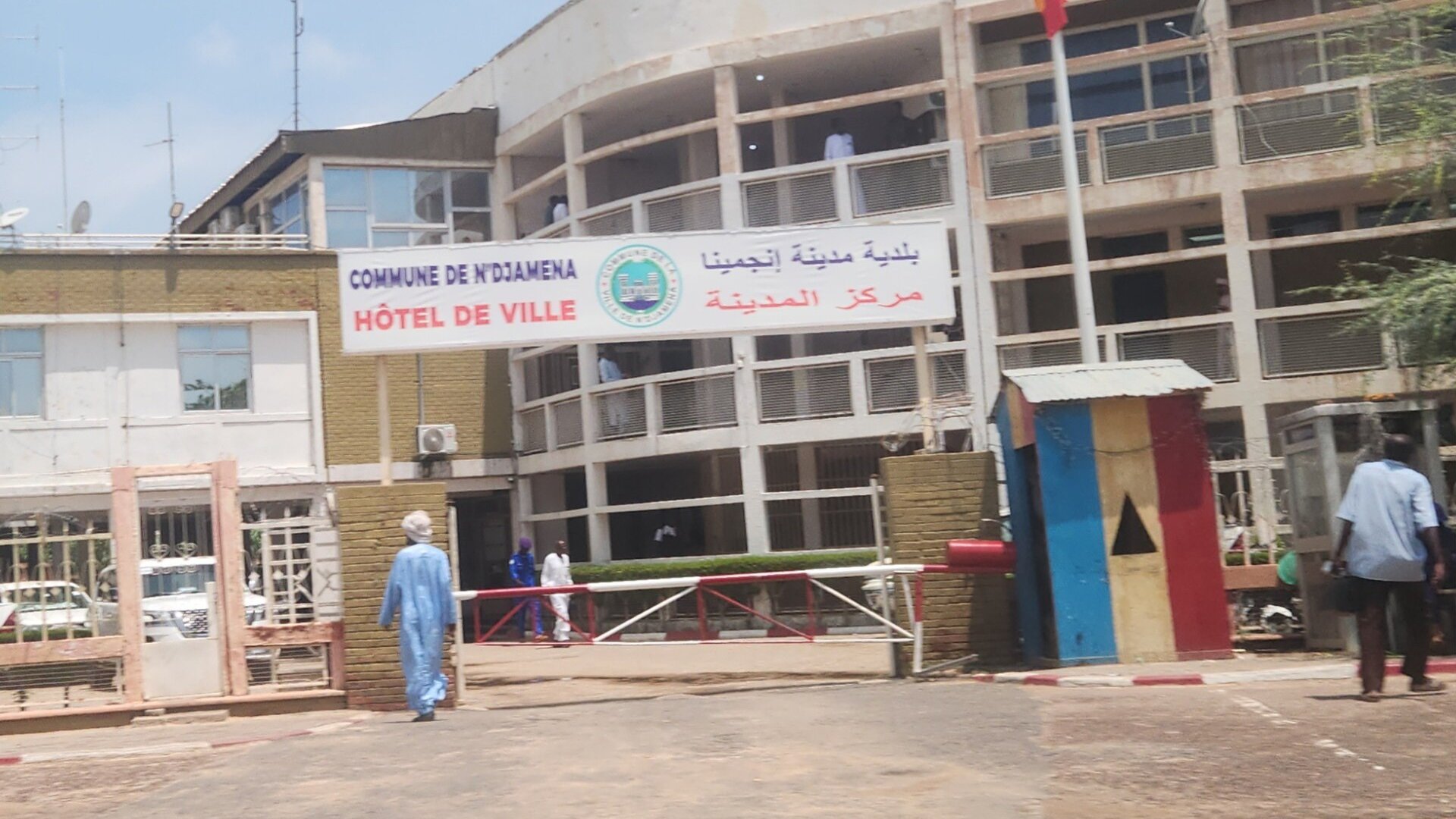
On 26 October 2026 N’Djamena’s city hall denied reports of unusual burial numbers, with its sanitation director, Youssouf Saleh Abdoulaye, putting the total at about 65 to 70 burials a day at the two main cemeteries. He called claims of 100 to 150 deaths a day on social media false and said not every death can be blamed on dengue, since malaria and other illnesses also kill.
He also noted that the cemeteries receive people who died in the capital’s hospitals but came from other provinces. He declined to release detailed burial statistics for the past three months, calling them confidential.
City and Schools Respond
N’Djamena’s mayor, Senoussi Abdoulaye, launched intensified mosquito spraying in all districts of the capital on Monday 19 October 2026, with the teams of its ten district councils. On 23 October the Ministry of National Education ordered every class teacher to hold a 30-minute dengue session, half presentation and half discussion.
How Dengue Spreads and What Helps
The World Health Organization says dengue is spread by the bites of infected Aedes mosquitoes that are active during the day, and that most people have mild or no symptoms and recover within one to two weeks. It lists high fever, severe headache, pain behind the eyes and muscle and joint pain as common signs, and says severe belly pain, persistent vomiting or bleeding needs immediate care.
There is no specific antiviral treatment, and the WHO advises paracetamol (acetaminophen) for pain while avoiding ibuprofen and aspirin, which can raise bleeding risk. Chad’s health ministry advises sleeping under insecticide-treated nets even by day, wearing long sleeves, using repellents, draining standing water and covering water containers.
What It Means for You
Americans in N’Djamena or the eastern provinces should treat dengue as a daytime risk and use repellent with DEET, picaridin or IR3535, which the WHO names, plus long sleeves and screened rooms. The WHO says symptoms usually start 4 to 10 days after infection, so a fever after returning home is a reason to see a doctor and mention the trip.
The US Centers for Disease Control and Prevention (CDC) lists a Level 1 Global Dengue travel notice dated 18 May 2026, and the State Department rates Chad Level 3 in an advisory dated 18 March 2025. Outside N’Djamena US emergency help is extremely limited, which matters when hospitals are strained.
What Is Not Known
The latest official count in public statements is from 22 October 2026, so the current number of cases and deaths is not known. The city hall’s burial figures come without released statistics, so they cannot be checked against the dengue toll.
It is also unclear whether the doctors’ strike at the Friendship Hospital continued after the 72-hour period that ended on 29 October. Officials have not said whether the outbreak will spread beyond the six provinces or follow the course of the 2023 epidemic.
Frequently Asked Questions
How many dengue cases has Chad reported?
On 22 October 2026 officials counted 3,846 suspected cases, 299 confirmed cases and 11 deaths in six provinces. The ministry announced the outbreak on 3 October and calls it Chad’s second after 2023.
Is it safe for Americans to travel to Chad?
The State Department rates Chad Level 3, Reconsider Travel, over crime, terrorism, civil unrest and kidnapping. Dengue adds a daytime mosquito risk, so travelers should use repellent and cover their skin.
Is there a treatment or vaccine for dengue?
There is no specific antiviral treatment, and care centers on fluids and pain relief with paracetamol (acetaminophen). The WHO says one vaccine is licensed in some countries but recommended only for ages 6 to 16 in high-transmission areas.
What are the warning signs of severe dengue?
Severe belly pain, persistent vomiting, rapid breathing and bleeding from the gums, nose or in vomit or stool are warning signs. They often appear after the fever drops, and anyone with them should get care immediately.
Sources: World Health Organization, dengue and severe dengue fact sheet; US State Department, Chad travel advisory, 18 March 2025; US Centers for Disease Control and Prevention, travel health notices, Global Dengue, 18 May 2026; Chad government, UNHCR and IOM, Emergency situation in Chad, update on arrivals from Sudan, 25 October 2026.
This article was produced by The Rio Times’ automated newsroom system. How we use AI · Report an error · Editorial responsibility: Matthias Camenzind, Editor-in-Chief