
Brazil · FOOD
Key Facts
- —What happened The Salvador Wine Festival ended Sunday after four days in the Historic Centre.
- —How big Second edition expanded beyond the Palacete Tirachapéu onto Rua Chile.
- —The real story Event ran as scheduled, but no attendance figure was published.
- —The catch Official FAQ still lists an incorrect end date of 24 August.
- —What it cost Gate entry 60 reais (US$12); tastings up to 1,400 reais (US$272).
- —What comes next No announcement about a 2027 edition has been made.
The second edition of the Salvador Wine Festival wrapped up Sunday after four days of tastings. Masterclasses, and live music in the historic heart of Salvador.
The Salvador Wine Festival closed Sunday after a four-day run in the Historic Centre of Salvador, Bahia. The second edition of the event brought wine, food, music and culture to the upper old town around Pelourinho.
Festival Wrap-Up
In short, the Salvador Wine Festival ended on Sunday 23 August 2026, as scheduled. It ran from Thursday 20 August, with the last day’s gates open from 11am to 5pm.
The city tourism agency had announced the dates in advance, and the event finished on time. No attendance figure was published.
The event concluded on Sunday as planned, with gates closing at 5pm. However, the official FAQ still lists an incorrect end date of 24 August.
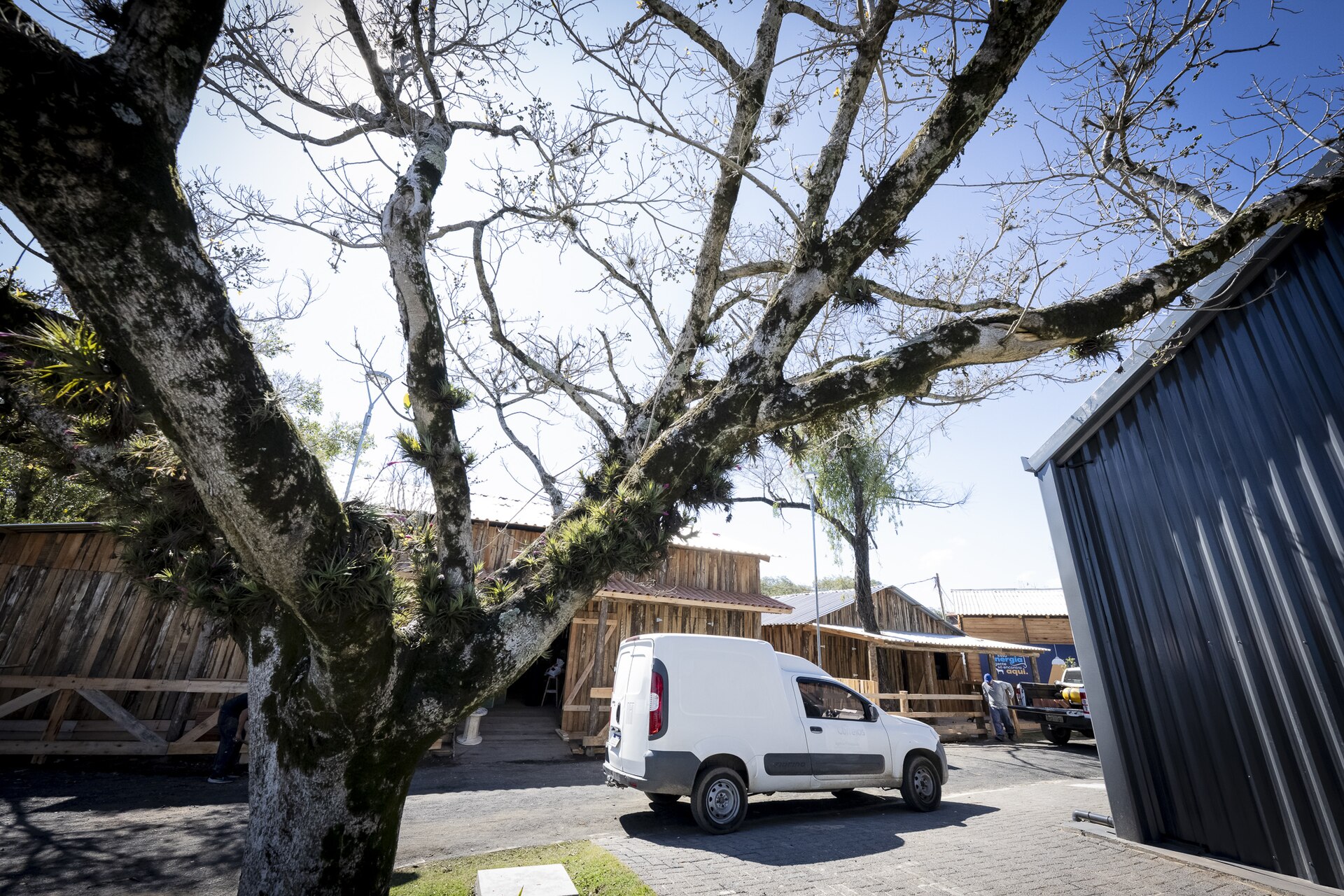
Salvador Wine Festival Venue and Spaces
The festival was centred on the Palacete Tirachapéu, a grand townhouse at Rua Chile 1 in the Historic Centre. It also spread to the cultural space Chile 27 and along Rua Chile itself.
This was the second edition, and it expanded beyond the Palacete to occupy more of the street. The Historic Centre is a UNESCO World Heritage site.
The Palacete Tirachapéu is a landmark building in the Historic Centre. Meanwhile, Chile 27 is a separate cultural space at number 27 of the same street.
What Was On Offer
The programme included a fair of Brazilian and international wines. In addition, there were guided and premium tastings, and masterclasses with specialists.
Live music and exclusive shows were also part of the mix. The Brazilian Wine Tasting Championship, a blind-tasting competition, took place inside the festival.
Food and visual arts were on the agenda as well. The festival also featured the Brazilian Wine Tasting Championship.
In addition, open-fire cooking and grill sessions were part of the programme.
Ticket Prices
Entry to the wine fair at the Palacete Tirachapéu started at 60 reais plus booking fees, about US$12. That ticket included a glass for tastings.
The street programme on Rua Chile was free to enter. The paid ticket covered the fair inside the Palacete, while the open-air part was accessible to all.
The street programme on Rua Chile was free to enter. However, the paid ticket covered the fair inside the Palacete Tirachapéu.
Tasting Classes Cost More
Technical tastings ranged from 200 to 1,400 reais, about US$39 to US$272. However, each class was bought separately from the fair ticket.
A Thursday class on Brazilian sparkling wines cost 200 reais (US$39). The dearest was a Sunday class on the Chilean wine Almaviva at 1,400 reais (US$272).
The dearest class ran on Sunday at 1,400 reais (US$272). The gate ticket was only 60 reais (US$12).
Music and Entertainment
The music line-up featured Us Beatles and Herbert & Richard, as announced by local media. No full timetable with stage times was released.
The festival also included open-fire cooking, grill sessions, sunset events, and special menus. These took place across the Palacete, Chile 27, and different spots on Rua Chile.
Only two acts were named in the research. As a result, no full music line-up was published.
Organisers and Tickets
The event was run under the Wine Brasil Music brand. Tickets were sold through Zig Tickets online, the official event app, and a physical shop at the Palacete.
The official site described the festival as celebrating wine in dialogue with music and food. Moreover, it highlighted Brazilian culture.
No producer company or sponsor was named in the research. The festival was run under the Wine Brasil Music brand.
However, no producer company or sponsor was documented.
Practical Information
The full address was Palacete Tirachapéu, Rua Chile 1, Historic Centre, Salvador, Bahia, postcode 40020-000. The festival took place in the upper old town, a historic commercial area.
The exchange rate used was 5.15120 reais to the US dollar, the central bank’s reference rate on Monday 24 August 2026. This made 60 reais about US$12.
The central bank’s reference rate was 5.15120 reais to the dollar. This made 200 reais about US$39.
Looking Ahead
The Salvador Wine Festival has now concluded its second edition. No announcement about a 2027 edition has been made.
Overall, the event brought together wine lovers and culture seekers in a historic setting. It ended as planned on Sunday, leaving the streets of the Historic Centre quiet once more.
No announcement about a 2027 edition has been made. Still, the festival’s second edition ended successfully on Sunday.
Frequently Asked Questions
When did the Salvador Wine Festival take place?
The Salvador Wine Festival ran from Thursday 20 August to Sunday 23 August 2026. The festival ended on Sunday, with gates open from 11am to 5pm.
How much did tickets cost?
Entry to the wine fair started at 60 reais plus booking fees, about US$12. That included a glass for tastings.
What was the most expensive tasting?
The most expensive documented tasting was a masterclass on Almaviva, a Chilean wine, priced at 1,400 reais, about US$272. Other technical tastings cost 200 reais each.
Where was the festival held?
The festival was centred on the Palacete Tirachapéu at Rua Chile 1 in the Historic Centre of Salvador. It also used the cultural space Chile 27 and the surrounding street.
Connected Coverage
Sources: Salvador da Bahia official events agenda; Zig Tickets; Curtindo Salvador; Aloalobahia; BahiaBahia; Coisas da Dina; Rolezero; Wine Brasil Music; Banco Central do Brasil.
This article was produced by The Rio Times’ automated newsroom system. How we use AI · Report an error · Editorial responsibility: Matthias Camenzind, Editor-in-Chief
In depth