Mosquito-borne diseases are costing the world heavily, with estimates showing a global financial burden of at least $94.7 billion in 2022 alone.
This figure likely falls short of the true cost due to widespread underreporting.
Factors like climate change, rapid urbanization, and inadequate disease prevention strategies are exacerbating the issue.
These factors enhance conditions favorable for mosquito populations and extend their active periods.
Warm climates, in particular, boost mosquito viability, leading to prolonged transmission seasons for deadly diseases such as malaria, dengue, Zika, and chikungunya.
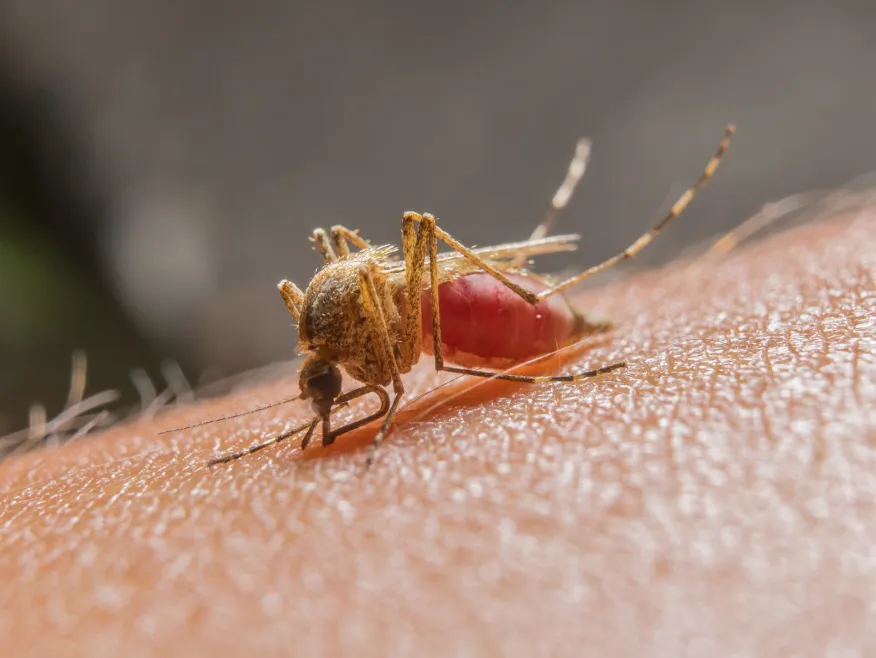
As temperatures rise, these diseases are not only becoming more frequent but are also spreading to previously unaffected regions.
The economic impact is profound, especially on households in disease-prone areas. Families in these regions can lose up to 25% of their income on medical expenses and associated costs.
Recognizing the severity of the issue, the World Health Organization (WHO) is ramping up its efforts.
Strategies are in place to bolster healthcare systems, improve disease surveillance, and enhance vector control measures.
These initiatives are part of a broader push to integrate climate resilience into public health planning, an essential step to prepare for and mitigate future outbreaks.
This escalating threat calls for urgent action. Not only must current impacts be managed, but the global health community must also anticipate and prepare for the challenges ahead.
Strengthening international cooperation and local capacities is crucial to safeguarding global health.
As the planet warms and mosquitoes find more habitable environments, understanding and combating these vectors of disease is more vital than ever.
It’s a stark reminder that the health of our environment directly influences human health. This makes it a shared responsibility across nations and communities to fight this growing threat.
This article was produced by The Rio Times’ automated newsroom system. How we use AI · Report an error
Read More from The Rio Times